
Trump Challenges Supreme Court on Federal Reserve Nominee and Birthright Citizenship
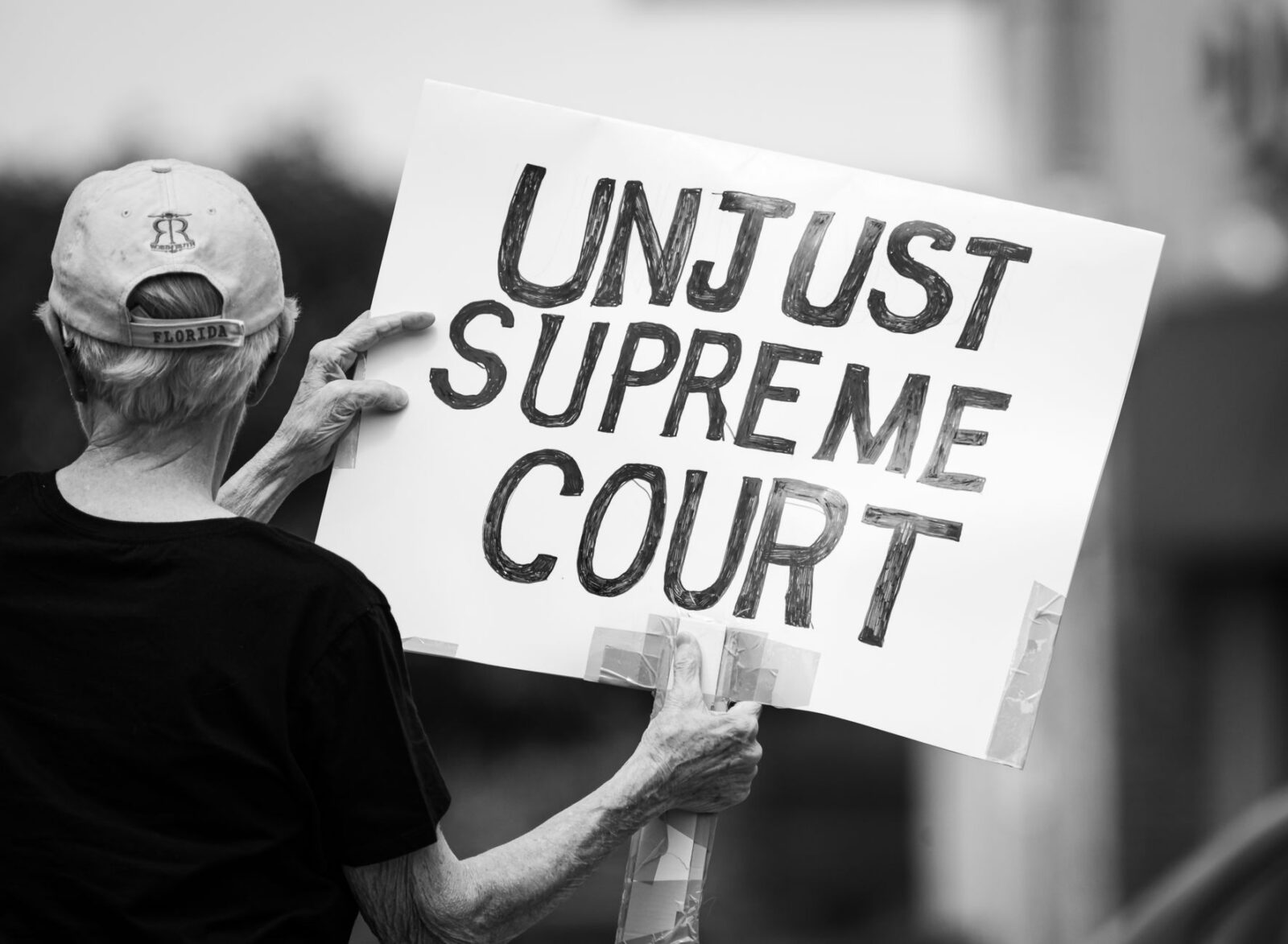
On August 8, 2026, former President Donald Trump publicly criticized the nomination of Lisa Cook to the Federal Reserve Board, while simultaneously reigniting the debate over ius soli, or birthright citizenship. These developments are crucial as they intersect with ongoing discussions about economic governance and immigration policy in the United States.
Lisa Cook, who has been nominated to serve on the Federal Reserve Board, faces intense scrutiny from Trump, who alleges that her economic viewpoints are misaligned with the needs of the current American economy. Trump’s remarks come as the Federal Reserve grapples with inflationary pressures and economic stability challenges, making Cook’s confirmation pivotal in shaping monetary policy. Trump’s claims about Cook, while not substantiated by evidence, reflect his ongoing influence over Republican economic discourse.
Additionally, Trump has reignited the ius soli debate, questioning the constitutional validity of granting citizenship to individuals born in the U.S. to non-citizen parents. This challenge to birthright citizenship has significant implications for immigration policy and civil rights, raising concerns about the potential for legal changes that could affect millions of Americans.
This dual challenge to the Supreme Court matters now as it underscores the ongoing polarization of American politics, particularly in the lead-up to the 2026 midterm elections. As Trump seeks to consolidate his influence within the Republican Party, the outcomes of these challenges could reshape both economic policy and immigration law in the coming months. The Supreme Court’s responses to these issues will likely set precedents that resonate beyond the current political climate, affecting future administrations and legislative actions.
Looking ahead, the Supreme Court is expected to hear cases related to both issues, with hearings likely scheduled in the upcoming months. The implications of these decisions could alter the landscape of American governance, impacting everything from Federal Reserve policy to immigration rights.
Source: en.ilsole24ore.com









Malmesbury Teen Faces 11 Charges in FBI-SAPS Child Pornography Investigation
The case highlights growing concerns over child exploitation and the international collaboration...
 1 Mins read
Tinubu’s Legal Team Moves to Block Release of Drug Trafficking Records in U.S. Court
The ongoing legal battle surrounding Nigerian President Tinubu's alleged drug trafficking ties...
1 Mins read

Oluwasegun Baiyewu Sentenced to 95 Months for $3.1 Million Fraud
Baiyewu's sentencing highlights ongoing global efforts to combat financial crimes and fraud.
1 Mins read



South Africa Submits ICJ Dossier on International Law Violations
South Africa's recent submission to the ICJ underscores its commitment to global...
1 Mins read
