
Trump Comments on Potential Netanyahu Visit to White House
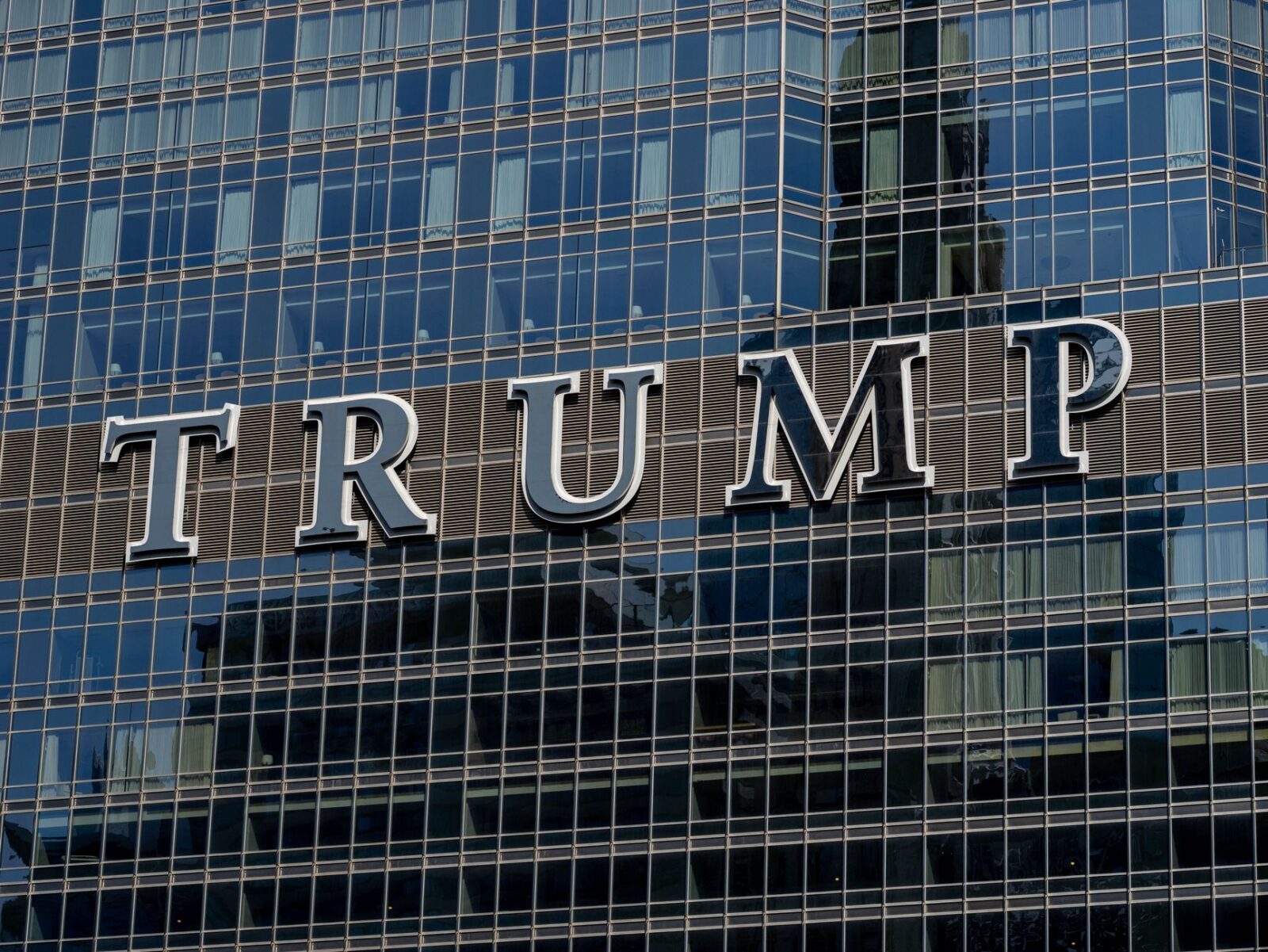
In a recent statement, former U.S. President Donald Trump expressed confidence in Israeli Prime Minister Benjamin Netanyahu, suggesting that a visit to the White House is plausible. Trump remarked, “He knows who the boss is,” alluding to his longstanding relationship with Netanyahu and the influence he continues to wield in American politics, particularly within the Republican Party.
This potential visit comes at a critical juncture for U.S.-Israel relations, as Netanyahu’s government faces significant pressures, both domestically and internationally. The Israeli Prime Minister is navigating a complex political landscape characterized by ongoing tensions with Palestine, regional security threats, and the need for economic stability amid global inflationary pressures. Trump’s endorsement could serve to bolster Netanyahu’s standing, particularly as he seeks to reaffirm Israel’s strategic alliance with the United States.
Globally, the implications of this potential meeting extend beyond the bilateral relationship. As the Biden administration grapples with its foreign policy priorities in the Middle East, Trump’s remarks could signal a shift in the political landscape, potentially energizing pro-Israel factions within the U.S. and influencing upcoming elections. The endorsement of Netanyahu by a prominent Republican figure could also exacerbate partisan divides regarding U.S. foreign policy, particularly concerning aid to Israel and the approach to Palestinian statehood.
Looking ahead, should a visit materialize, it could lead to renewed discussions on military aid, economic partnerships, and strategies to address regional threats, including Iran’s nuclear ambitions. The outcome of such discussions could reshape not only U.S.-Israel relations but also the broader geopolitical dynamics in the Middle East, making it imperative for global leaders and investors to monitor this developing situation closely.
Source: NDTV








Trump Undermines Ethical Standards Established Post-Watergate
Trump's actions raise critical questions about the erosion of ethical norms in...
 1 Mins read
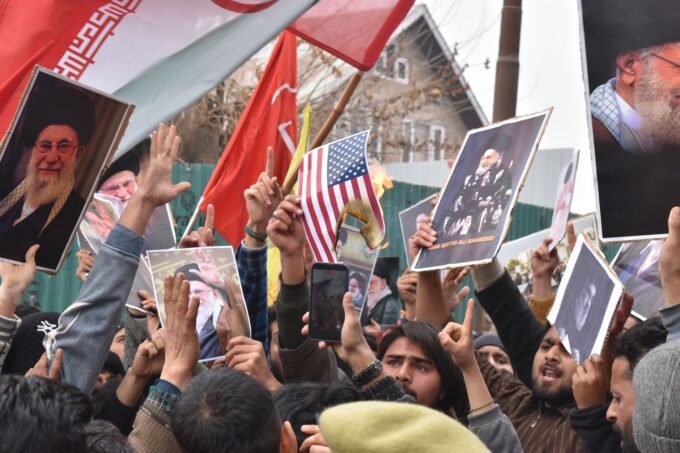
Tensions Escalate as Iran Launches Missile Strikes Against Israeli Targets
Iran's missile strikes against Israeli interests mark a significant escalation in regional...
1 Mins read
Trump Expresses Affection for Bill Clinton Amid Ongoing Feud with Hillary Clinton
Trump’s comments on Clinton signify a complex political landscape, reflecting shifting alliances...
1 Mins read



Trump Asserts Authority Over Netanyahu Ahead of Key Diplomatic Meeting
Trump's comments signal a potential shift in U.S.-Israel relations that could influence...
1 Mins read
Leave a comment