

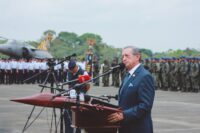
On July 6, 2026, former President Donald Trump arrived in Turkey for a high-stakes summit focused on the future of NATO. This meeting comes at a critical juncture as the geopolitical landscape in Europe and the Middle East continues to evolve, with increasing tensions stemming from Russia’s actions and the ongoing conflict in Ukraine. Trump’s engagement with Turkish President Recep Tayyip Erdoğan highlights the complex relationships within NATO, particularly as Turkey plays a pivotal role in the alliance’s southern flank.
The summit’s agenda is expected to address NATO’s strategic posture in light of recent military developments, including Russia’s continued aggression in Eastern Europe and the implications for member states’ defense policies. Trump’s previous criticisms of NATO, including calls for increased financial contributions from member nations, have left many in the alliance questioning the U.S. commitment to collective security. As he meets with Erdoğan, the discussion is likely to revolve around Turkey’s unique position within NATO, its military operations in Syria, and its relationships with both Russia and the United States.
This summit matters profoundly on the global stage. The outcome could redefine NATO’s operational strategies and influence the balance of power in the region. As the U.S. reassesses its military alliances, the potential for a shift in Turkey’s role—either as a bridge or a barrier between East and West—could significantly affect global security dynamics. Analysts predict that if Trump advocates for a more transactional approach to NATO, it may prompt other member states to reconsider their commitments and military spending, potentially leading to a fracturing of the alliance.
Looking ahead, the implications of this summit could resonate far beyond the immediate discussions. Should NATO’s unity weaken, it may embolden adversarial powers like Russia and China, potentially destabilizing the already fragile security environment in Europe and the Middle East. As world leaders and investors watch closely, the decisions made in Turkey today could have lasting impacts on international relations and global security frameworks.







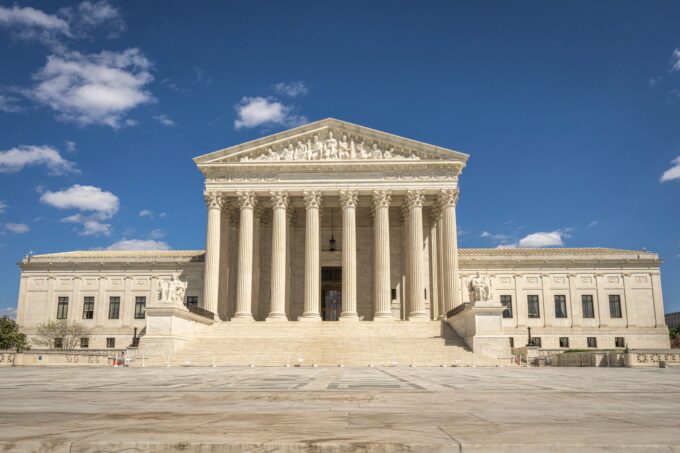
Supreme Court Issues Strong Warning to Airlines Over Airfare Violations
The Supreme Court's warning to airlines underscores growing concerns over consumer rights...
 1 Mins read

Lawsuit Challenges Republican State Senate Candidate’s Eligibility in Wisconsin
A lawsuit filed today questions the eligibility of a Republican candidate for...
1 Mins read
Senator Warnock Inspects ICE Detention Center, Demands Accountability for Medical Care Deficiencies
Senator Warnock's visit underscores urgent concerns over healthcare in detention facilities amid...
1 Mins read



Florida Redistricting Sparks Political Uncertainty Ahead of Elections
The ongoing redistricting in Florida is reshaping electoral dynamics, drawing national attention...
1 Mins read