
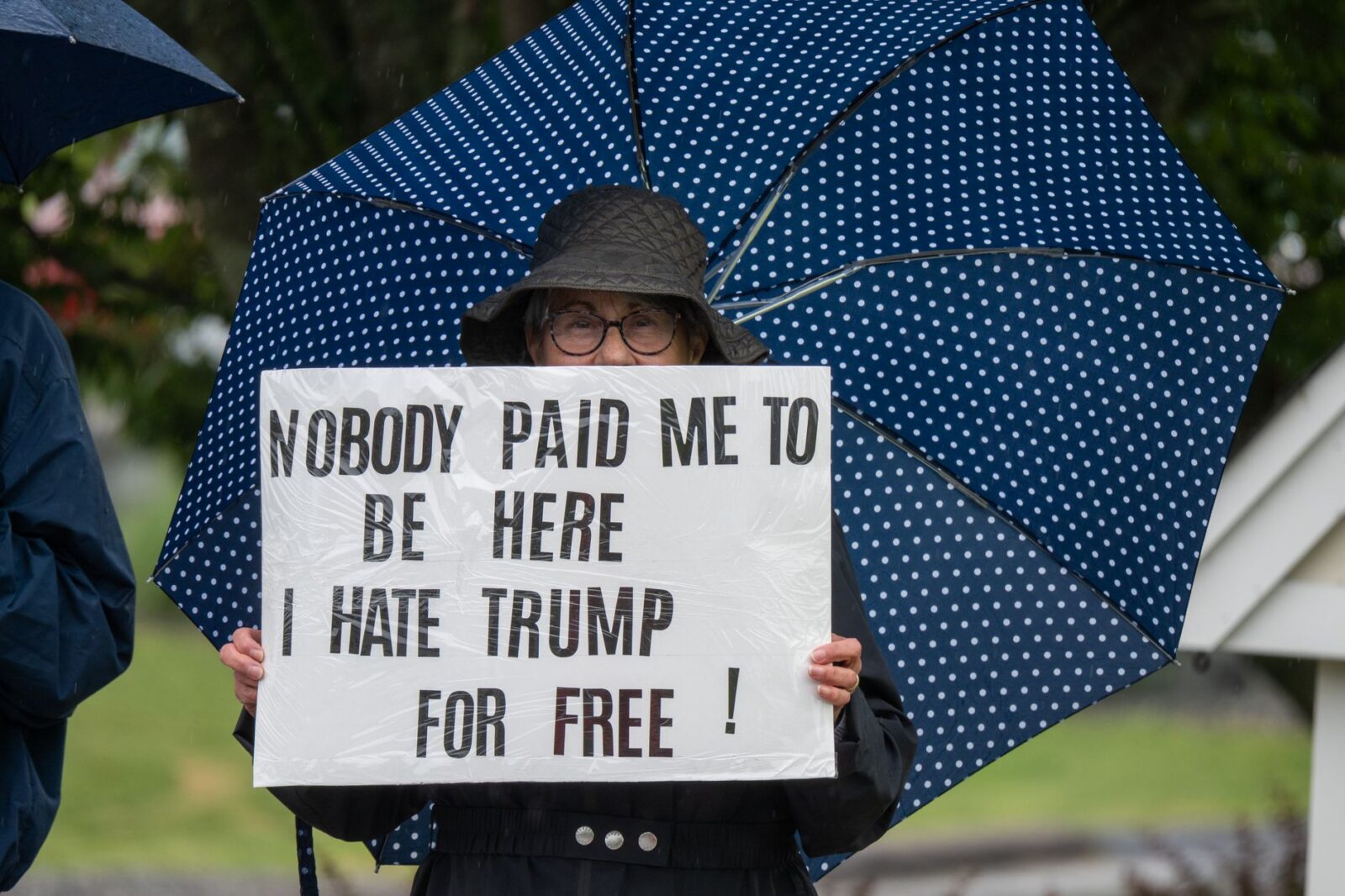
Former President Donald Trump successfully held his much-anticipated July 4 rally in Sarasota, Florida, following a brief weather delay that postponed the event by several hours. The rally, which drew thousands of supporters, was marked by Trump’s continued focus on themes of nationalism and his critique of the current administration’s policies. This event occurs against the backdrop of heightened political tensions in the United States, as Trump remains a significant figure within the Republican Party and a potential candidate for the 2028 presidential election.
In his speech, Trump reiterated his commitment to what he describes as ‘America First’ policies, positioning himself as a champion of the working class while attacking the Biden administration’s approach to immigration, foreign policy, and economic management. The rally is significant not only for its immediate political implications but also for the broader narrative it contributes to regarding the state of American democracy. Trump’s enduring influence on the Republican base highlights the challenges facing the party as it navigates internal divisions and the broader electorate’s shifting priorities.
This event matters globally as it reflects the polarization that is increasingly characteristic of many democracies around the world. The implications of Trump’s rhetoric and the fervor of his supporters raise questions about the future of governance in the United States, particularly as the 2028 election cycle approaches. Analysts suggest that Trump’s ability to mobilize grassroots support could reshape both domestic and international policy discussions, influencing global markets and international relations.
Looking ahead, the rally serves as a reminder of Trump’s potential resurgence in American politics. Should he decide to run for president again, his ability to galvanize support could significantly alter the political landscape. Furthermore, the international community will be watching closely, as the outcomes of U.S. elections often have far-reaching effects on global stability and economic trends.





Trump Undermines Ethical Standards Established Post-Watergate
Trump's actions raise critical questions about the erosion of ethical norms in...
 1 Mins read
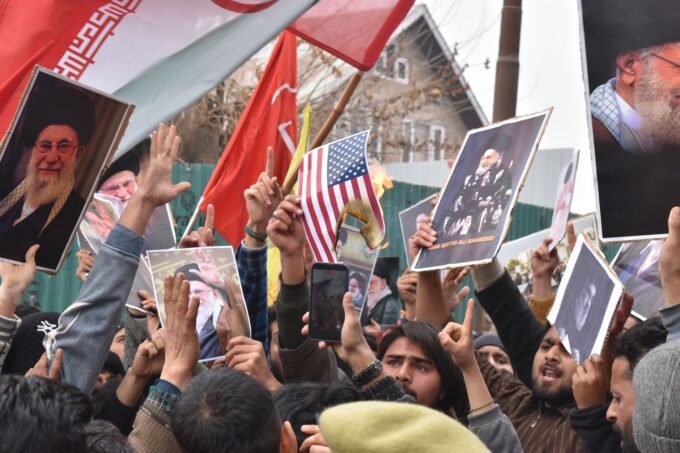
Tensions Escalate as Iran Launches Missile Strikes Against Israeli Targets
Iran's missile strikes against Israeli interests mark a significant escalation in regional...
1 Mins read
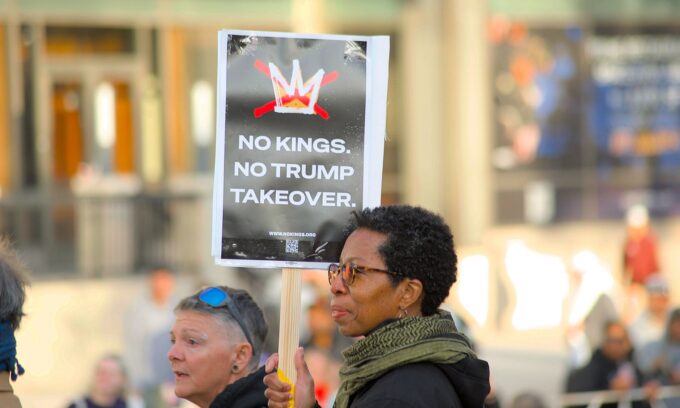
Trump Expresses Affection for Bill Clinton Amid Ongoing Feud with Hillary Clinton
Trump’s comments on Clinton signify a complex political landscape, reflecting shifting alliances...
1 Mins read
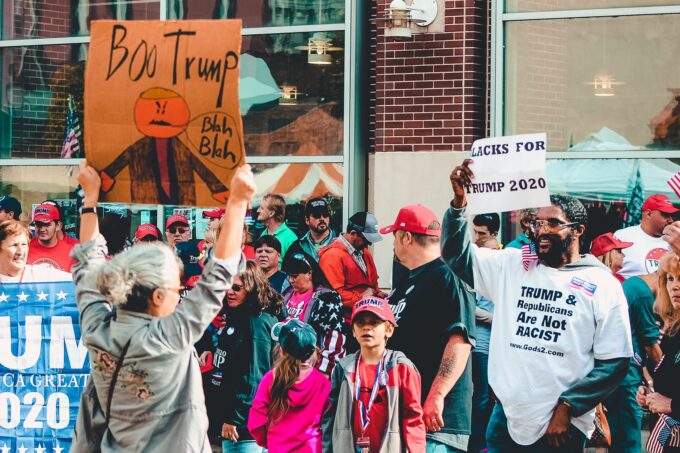


Trump Asserts Authority Over Netanyahu Ahead of Key Diplomatic Meeting
Trump's comments signal a potential shift in U.S.-Israel relations that could influence...
1 Mins read
Leave a comment