
Trump Hosts $60 Million UFC Event at the White House, Signaling a Shift in Political Culture

On June 12, 2026, former President Donald Trump orchestrated a high-profile UFC event at the White House, a spectacle that reportedly cost $60 million. This unprecedented move has drawn significant attention not just for its financial implications but for its potential to reshape the cultural and political landscape in the United States. The event featured top fighters and was broadcasted to millions, showcasing Trump’s ongoing influence in American sports and entertainment.
The UFC event, which was attended by notable figures from both the sports and political arenas, serves as a vivid reminder of Trump’s ability to blend his celebrity status with political maneuvering. By hosting a fight night at such a prestigious venue, Trump reinforces his brand as a populist leader who appeals to a broad audience, particularly among younger demographics who are increasingly engaged with mixed martial arts. This convergence of sports and politics could have lasting ramifications for how political leaders engage with their constituents.
This event matters globally as it reflects a growing trend where political figures leverage entertainment to garner support and influence public opinion. The implications are profound; as sports become a platform for political expression, the lines between athletic competition and political discourse continue to blur. Countries observing this phenomenon may consider similar strategies to engage their populations, potentially leading to a new era of governance where charisma and spectacle outweigh traditional political discourse.
Looking ahead, the success of this UFC event could encourage Trump and other political figures to host more such events, further entrenching the relationship between entertainment and politics. As the 2026 midterm elections approach, this strategy might prove pivotal in mobilizing voter bases, particularly if it resonates with the electorate’s desire for more engaging political narratives. The global community should remain vigilant, as these developments may signal a shift in how political leadership is perceived and enacted in the years to come.
Source: Firstpost






Putin’s Opportunity to Resolve Ukraine Conflict Slips Away as Russia Faces Deteriorating Circumstances
Putin's failure to negotiate peace in Ukraine exacerbates Russia's geopolitical isolation and...
 1 Mins read

Independent Ukrainian Journalism Faces New Challenges Amid Ongoing Conflict
The evolution of independent journalism in Ukraine is critical for global democratic...
1 Mins read

Ukrainian City Faces Intensified Russian Offensive as One Year of Siege Approaches
The ongoing siege of a Ukrainian city underlines the urgent need for...
1 Mins read
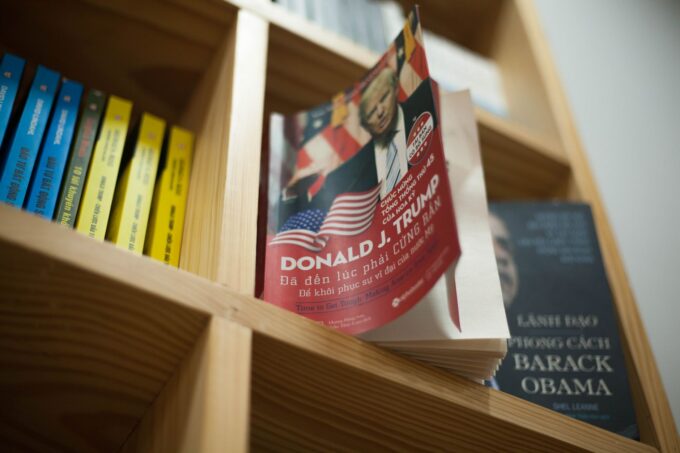


Donald Trump Urged to Participate in UFC Fight Amidst Ongoing Political Climate
Donald Trump's potential participation in a UFC fight sparks global discussions on...
1 Mins read
Leave a comment