
Trump Proposes Military Complex at Washington’s Triumphal Arch

WASHINGTON, D.C. — September 20, 2026
In a controversial move, former President Donald Trump has publicly proposed the transformation of the Washington triumphal arch into a military complex designed for the deployment of drones and snipers. This announcement was made today, igniting a wave of public interest and debate regarding the implications of such a development.
The Washington triumphal arch, a significant national landmark, has long been a symbol of American history and culture. Trump’s proposal, which aims to repurpose this iconic structure for military use, raises questions about the intersection of national security and the preservation of historical sites. The proposal was reported by Telegraph India.
The proposal comes in the wake of ongoing discussions about national security and military readiness in the United States. Trump’s administration had previously emphasized the need for enhanced military infrastructure, and this latest suggestion appears to be a continuation of that narrative. However, the specific motivations behind the choice of the Washington triumphal arch as a site for military operations remain unclear.
Critics of the proposal argue that converting a national landmark into a military complex could undermine the cultural and historical significance of the site. They express concerns about the potential militarization of public spaces and the message it sends regarding the role of the military in civilian life. Supporters, on the other hand, may argue that such a facility could enhance national security and provide a strategic advantage in urban environments.
This proposal is receiving heightened attention now due to the ongoing debates surrounding military funding and infrastructure in the United States, particularly as the nation grapples with various global security challenges. The implications of this proposal could resonate beyond local discussions, potentially influencing national policy on military installations and historical preservation.
Looking ahead, the proposal will likely face scrutiny from various stakeholders, including local government officials, historians, and the general public. Public hearings may be organized to gather feedback, and legislative measures could be introduced to either support or oppose the initiative. The outcome of this proposal could set a precedent for how the U.S. balances military needs with the preservation of its historical landmarks.
Source: Telegraph India









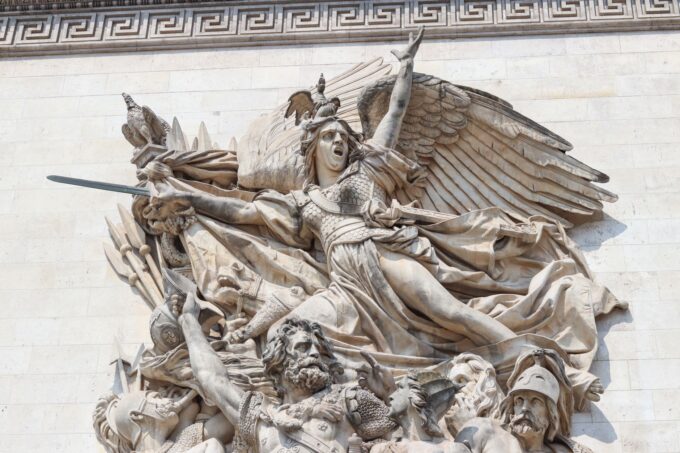
Trump Proposes Military Complex Within New Arch, Raising Geopolitical Concerns
The announcement of a military complex housing drones and snipers within Trump's...
 2 Mins read
Ukraine Launches Largest Drone Attack on Russia, Targeting Moscow
The unprecedented drone assault marks a significant escalation in the ongoing conflict...
2 Mins read

Qatar Condemns Houthi Attacks on Saudi Arabia: A Geopolitical Shift
Qatar's strong condemnation of recent Houthi attacks on Saudi Arabia signals a...
2 Mins read



Trump Unveils Plans for 250-Foot Military Complex for Drones and Snipers
The proposed military complex marks a significant shift in U.S. military strategy...
2 Mins read

Leave a comment