
Trump Reduces Trade with Spain, Criticizes NATO, and Issues Threats Towards Iran During Turkey Negotiations
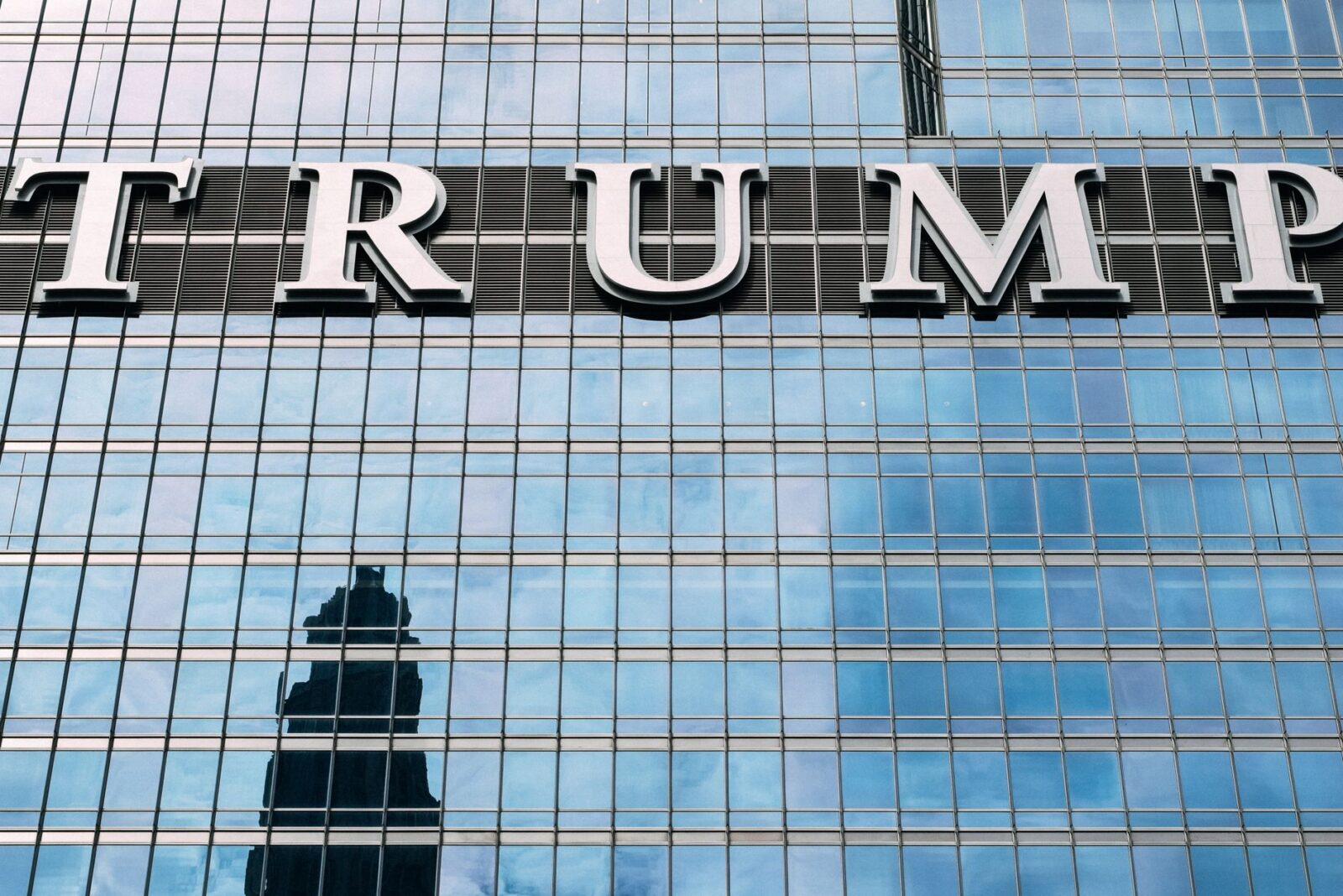
In a significant geopolitical maneuver, former President Donald Trump has ordered a reduction in trade with Spain, citing concerns over the European nation’s alignment with NATO and its economic policies. This decision comes amid ongoing negotiations involving Turkey, a key NATO ally, and raises questions about the future of U.S.-European relations.
Trump’s directive to cut trade with Spain, although not yet quantified in terms of economic impact, reflects his broader skepticism towards NATO’s effectiveness and the financial burdens it places on member nations. By targeting Spain, Trump appears to be sending a message that he is willing to leverage economic measures to influence European political dynamics, particularly as NATO faces challenges in unifying its member states around common defense strategies.
Simultaneously, Trump has escalated his rhetoric concerning Iran, threatening potential military action should the Iranian government continue its nuclear ambitions. This move is particularly noteworthy as it coincides with heightened tensions in the Middle East and ongoing diplomatic efforts to stabilize the region. The implications of a renewed military threat from the U.S. could provoke further instability, drawing in other nations and complicating the already fraught relationships within the region.
The convergence of these events highlights a pivotal moment in international diplomacy, as Trump’s actions may embolden other nations to reassess their alliances and trade relationships. As the global community watches closely, the potential for escalated conflict in Iran and a reevaluation of NATO’s role could lead to significant shifts in how countries engage with one another economically and militarily in the coming months.
Source: Forth.News









Britain Faces Escalating Tensions with Russia Following Lavrov’s Drone Warning
The UK’s drone program is now a focal point in escalating geopolitical...
 1 Mins read
Gold Prices Decline Amid Rising Treasury Yields and Escalating Hormuz Tensions
Gold prices are under pressure as U.S. Treasury yields rise and geopolitical...
1 Mins read

ASEAN Central Bank Governors Advocate for Enhanced Financial Risk Cooperation
The call for ASEAN cooperation on financial risks underscores the region's commitment...
1 Mins read



Inflation Worsens Consumer Sentiment in Albania
Rising inflation in Albania raises urgent concerns for consumers and policymakers, reflecting...
1 Mins read
