
Two Ships Attacked in the Strait of Hormuz: Implications for U.S. Foreign Policy
MIAMI — September 18, 2026
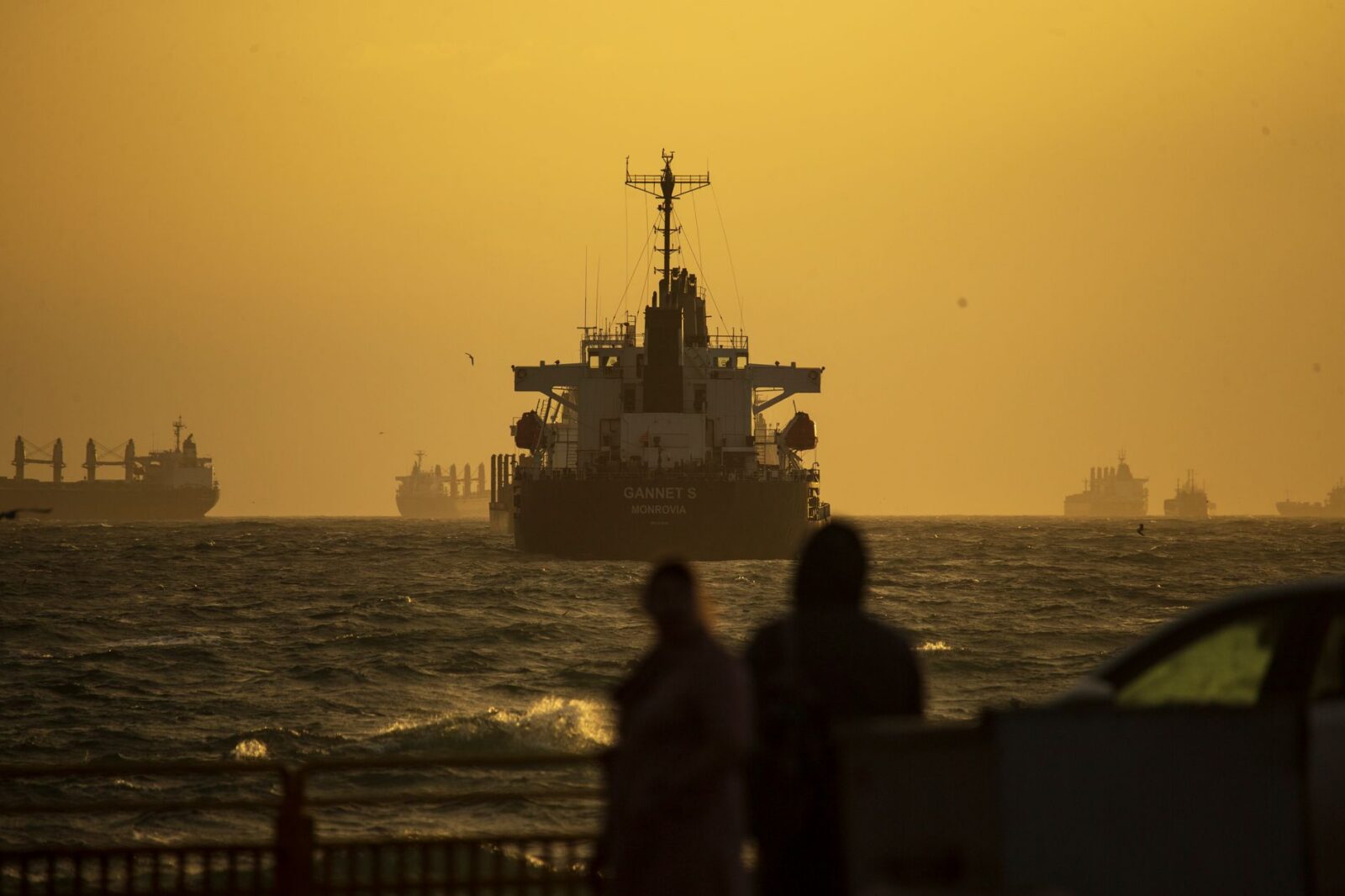
In a significant escalation of tensions in the Middle East, two ships were attacked in the strategically vital Strait of Hormuz on September 18, 2026. This incident has prompted urgent discussions regarding potential responses from the United States and its allies, given the waterway’s critical role in global oil transportation.
The attacks occurred in the early hours of the morning, with reports indicating that both vessels were targeted by unidentified assailants. While the specific identities of the ships have not been disclosed, the Strait of Hormuz is known for its heavy maritime traffic, with approximately 20% of the world’s oil passing through this narrow passage. The U.S. Navy has been actively monitoring the situation, and officials are assessing the implications of this attack on regional stability.
Directly involved in this incident are the shipping companies operating the attacked vessels, although their names have yet to be confirmed. The U.S. government, led by President Donald Trump, is currently deliberating on its next steps, which could include military responses or diplomatic measures aimed at de-escalating tensions in the region.
This attack comes amidst a backdrop of heightened hostilities between Iran and the West, particularly following the U.S. withdrawal from the Iran nuclear deal in 2018 and subsequent sanctions that have strained relations. The Strait of Hormuz has previously been the site of similar incidents, often attributed to Iranian forces or proxies, which have sought to assert their influence over this crucial maritime route.
The significance of this development cannot be overstated. The Strait of Hormuz is not only vital for oil shipments but also serves as a barometer for U.S.-Iran relations. The potential for military engagement or further sanctions could have far-reaching consequences for global oil prices and international trade. Analysts are closely watching how the U.S. administration will navigate this crisis, especially with the upcoming presidential elections adding a layer of political complexity.
Looking ahead, several scenarios could unfold. The U.S. may choose to bolster its naval presence in the region as a deterrent, or it could engage in diplomatic talks with allies to address the situation collaboratively. Alternatively, if the attacks are traced back to Iranian forces, a more aggressive military response could be on the table, raising the stakes for all parties involved.
As the situation develops, the international community will be keenly observing the U.S. response, which will likely set the tone for future interactions in the region and influence global energy markets.
Source: Yahoo












James Talarico Resumes Texas Senate Campaign After Notable Absence
James Talarico's return to the Senate campaign trail marks a pivotal moment...
 1 Mins read
Trump and Putin Reach Agreement to Release Russian Diesel onto Global Market
The recent agreement between Trump and Putin to release Russian diesel has...
2 Mins read
Trump Imposes Sanctions on the International Criminal Court
The U.S. sanctions against the ICC mark a pivotal moment in international...
2 Mins read
Trump’s Diesel Deal with Russia: A Geopolitical Gamble
The announcement of Trump's diesel deal with Russia on October 10, 2026,...
2 Mins read