
Typhoon Dujuan Causes Devastation in Tokyo, Resulting in Fatalities and Missing Persons
TOKYO — September 22, 2026
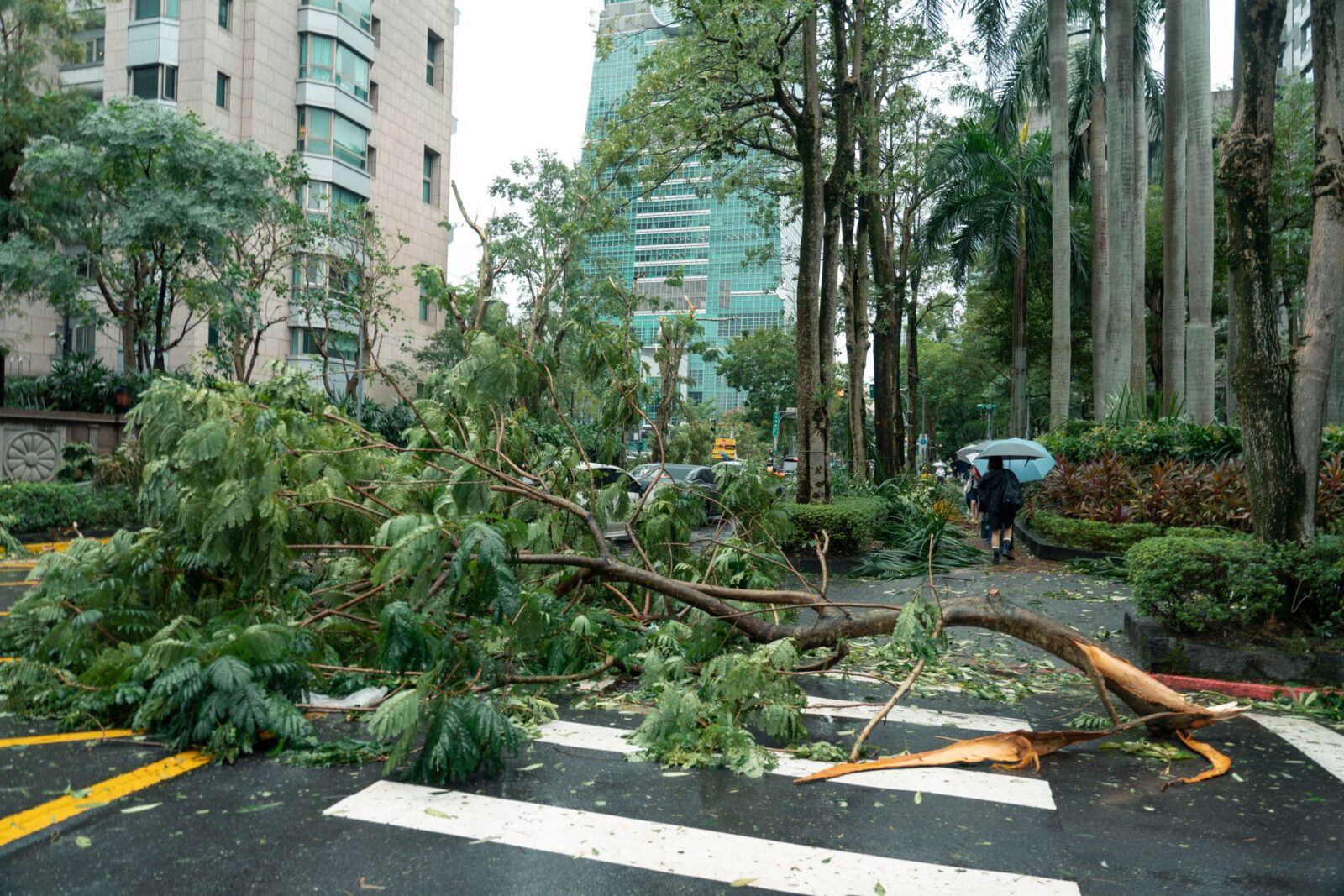
Typhoon Dujuan has struck Tokyo and the Greater Tokyo Area with unprecedented force, resulting in record torrential rain that has led to the tragic loss of at least two lives and left four individuals reported missing. The storm, which made landfall early on September 22, has raised serious public safety concerns as emergency services continue to respond to the aftermath.
The typhoon’s impact has been felt across a wide swath of the region, with reports of flooding, landslides, and infrastructure damage. As of this morning, local authorities have mobilized rescue teams to search for the missing persons, while also providing assistance to those displaced by the flooding. The Japan Meteorological Agency (JMA) has issued warnings for continued heavy rainfall and potential further flooding in the coming days.
Typhoon Dujuan is the latest in a series of severe weather events that have affected Japan in recent years, raising questions about climate resilience and disaster preparedness in urban areas. The storm’s intensity has been attributed to a combination of warm ocean temperatures and atmospheric conditions that have created an environment conducive to extreme weather.
In response to the disaster, Tokyo Governor Yuriko Koike has urged residents to remain vigilant and adhere to evacuation orders where necessary. “We are doing everything possible to ensure the safety of our citizens during this challenging time,” Koike stated in a press conference. The Tokyo Metropolitan Government has activated its disaster response protocols, which include emergency shelters and support services for affected residents.
The economic implications of Typhoon Dujuan are also significant, as businesses in the affected areas face potential losses due to property damage and disruptions in operations. Preliminary estimates suggest that the financial toll could reach millions of dollars, compounding the challenges already faced by the local economy in the wake of the COVID-19 pandemic.
This event is receiving heightened attention not only due to the immediate human toll but also because it underscores the increasing frequency and severity of typhoons impacting Japan. As climate change continues to alter weather patterns, the need for robust infrastructure and effective emergency management systems has never been more critical.
Looking ahead, authorities are likely to conduct a thorough assessment of the damage caused by Typhoon Dujuan, with a focus on improving disaster preparedness and response strategies. The JMA will continue to monitor weather conditions closely, and further updates on the situation are expected as rescue operations progress and recovery efforts begin.
Source: news.sbs.co.kr









Fishing Boat Discovers Large, Possibly Military Drone Off Florida Coast
A fishing boat has uncovered a large, potentially military drone in Florida...
 1 Mins read
Fishermen Recover Military Drone Off Florida Coast, Raising Security Concerns
The recovery of a military drone by charter fishermen off the Florida...
1 Mins read
California Braces for Impact as Super El Niño Approaches
The imminent arrival of a super El Niño is prompting critical preparations...
2 Mins read



COVID Vaccine Recommendations for Fall 2026 Announced
New guidelines for COVID vaccinations aim to bolster public health as the...
2 Mins read

Leave a comment