
Typhoon Dujuan Causes Widespread Devastation in Japan, Leaving Four Dead and Six Missing
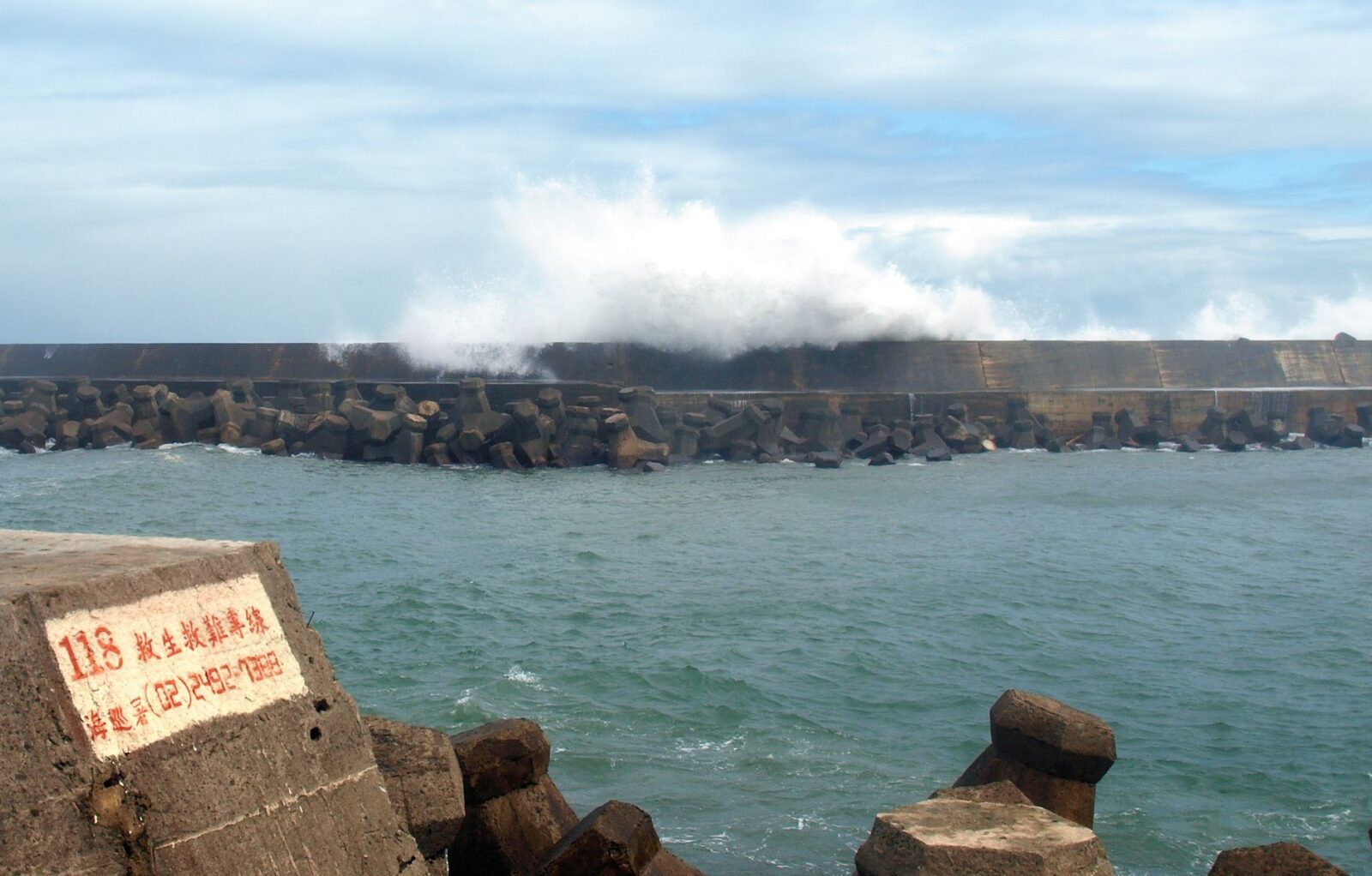
TOKYO — September 22, 2026
Typhoon Dujuan has left a trail of destruction across Japan, with reports confirming four fatalities and six individuals missing as of September 22, 2026. The storm has prompted the evacuation of approximately 1.5 million residents, highlighting the severe impact of this natural disaster on public safety and infrastructure.
The typhoon made landfall on the evening of September 21, 2026, affecting several regions, particularly in the southern and central parts of the country. The Japan Meteorological Agency (JMA) issued warnings of heavy rainfall, strong winds, and potential flooding, urging residents to seek shelter and heed evacuation orders. The storm’s intensity has been classified as a strong typhoon, with wind speeds reaching up to 150 kilometers per hour (93 miles per hour).
Local authorities have been mobilizing resources to assist those affected by the storm. Emergency services have been deployed to conduct search and rescue operations, particularly in areas where individuals are reported missing. The fatalities reported thus far include individuals who were caught in landslides and flooding, which have been exacerbated by the heavy rains associated with Dujuan.
The evacuation of 1.5 million people marks one of the largest mobilizations in recent years, reflecting the government’s commitment to ensuring public safety in the face of natural disasters. Shelters have been established in schools and community centers across the affected regions, providing temporary refuge for those displaced by the storm.
This event is receiving heightened attention due to the increasing frequency and intensity of typhoons impacting Japan in recent years, a trend that experts attribute to climate change. The economic implications of such disasters are significant, with potential damages running into billions of yen, affecting not only local communities but also national infrastructure and recovery efforts.
As the situation develops, the Japanese government is expected to assess the damage and initiate recovery plans. This may include financial assistance for affected families and businesses, as well as a review of disaster preparedness protocols to enhance resilience against future storms.
In the immediate aftermath, the focus will remain on rescue operations and ensuring the safety of those still in harm’s way. The JMA continues to monitor Typhoon Dujuan’s trajectory, with forecasts indicating that the storm may weaken as it moves further inland.
Source: İlke Haber Ajansı









Fishing Boat Discovers Large, Possibly Military Drone Off Florida Coast
A fishing boat has uncovered a large, potentially military drone in Florida...
 1 Mins read
Fishermen Recover Military Drone Off Florida Coast, Raising Security Concerns
The recovery of a military drone by charter fishermen off the Florida...
1 Mins read
California Braces for Impact as Super El Niño Approaches
The imminent arrival of a super El Niño is prompting critical preparations...
2 Mins read



COVID Vaccine Recommendations for Fall 2026 Announced
New guidelines for COVID vaccinations aim to bolster public health as the...
2 Mins read

Leave a comment