
U.S. and Venezuela Sign Deal to Restore Military Ties
MIAMI — November 22, 2026
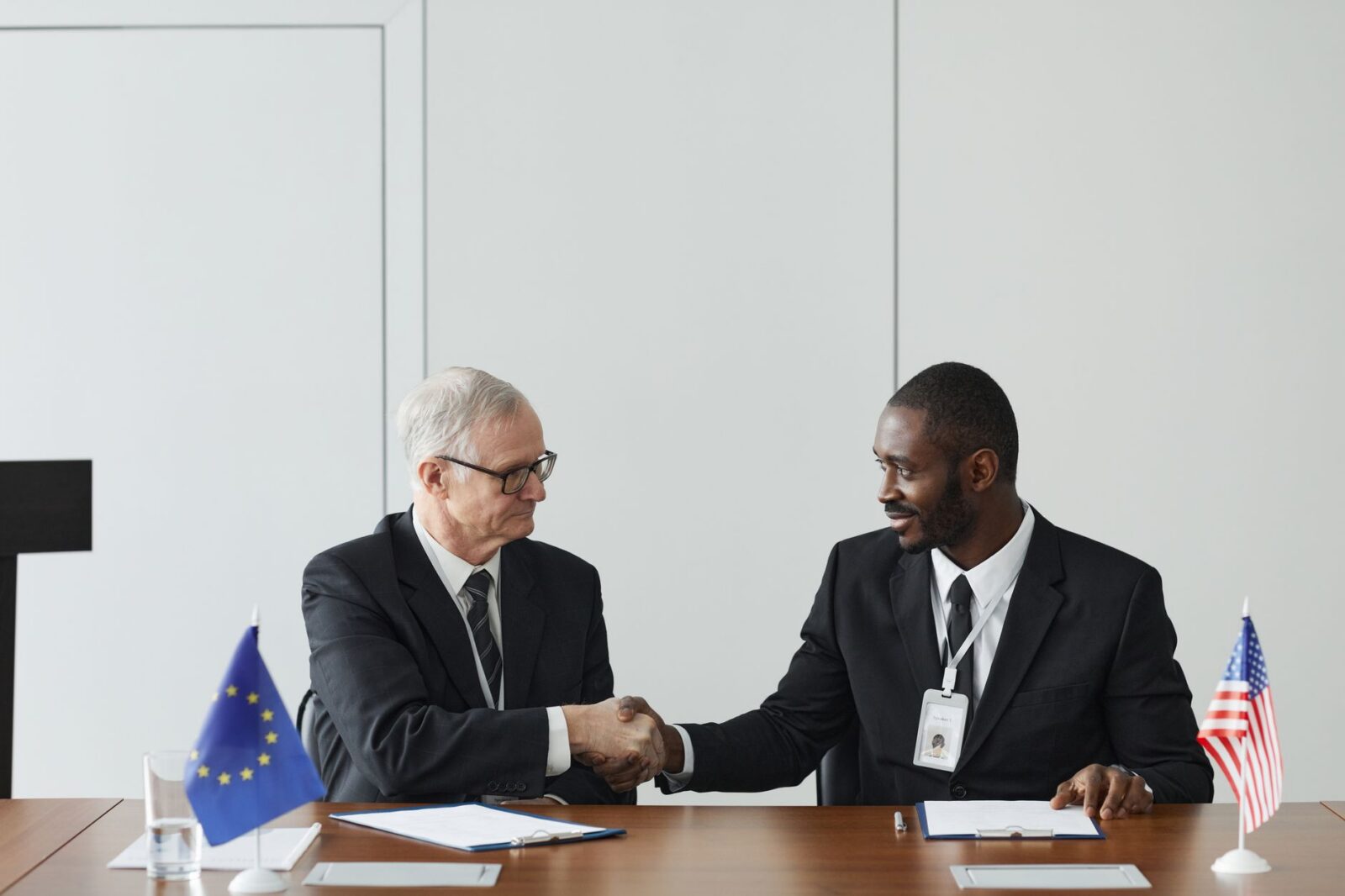
In a landmark development, the United States and Venezuela signed a deal on November 22, 2026, to restore military ties, a move that could reshape geopolitical dynamics in Latin America. This agreement, confirmed by both nations, signifies a thawing of relations that have been strained for years, particularly since the U.S. imposed sanctions on Venezuela in response to human rights abuses and the erosion of democratic institutions under President Nicolás Maduro.
The signing took place in Caracas, Venezuela, where U.S. Secretary of State Antony Blinken met with Venezuelan Foreign Minister Yvan Gil. This meeting marks the first high-level diplomatic engagement between the two countries in over a decade, highlighting a potential shift in U.S. foreign policy towards Venezuela.
The restoration of military ties was triggered by a combination of factors, including Venezuela’s ongoing economic crisis, which has led to increased instability in the region, and the U.S.’s strategic interest in countering the influence of Russia and China in Latin America. The deal is expected to facilitate cooperation on security issues, including drug trafficking and regional terrorism, which have been persistent challenges for both nations.
Key interests at stake include the U.S.’s desire to stabilize the region and mitigate the flow of migrants fleeing Venezuela’s dire economic conditions. For Venezuela, the restoration of military ties could provide much-needed support and legitimacy on the international stage, as well as potential economic benefits through military aid and cooperation.
This development is receiving significant attention now due to its implications for U.S. foreign policy and regional stability. Analysts suggest that the restoration of military ties could lead to a broader dialogue between the U.S. and Venezuela, potentially paving the way for further negotiations on humanitarian aid and economic sanctions.
On a local level, this agreement could influence Miami’s large Venezuelan community, which has been vocal about the need for change in their home country. Nationally, it reflects a shift in the Biden administration’s approach to Latin America, moving towards engagement rather than isolation.
Looking ahead, the next steps will likely involve discussions on specific areas of military cooperation, including joint training exercises and intelligence sharing. Additionally, the U.S. Congress may scrutinize this agreement, particularly regarding its implications for human rights in Venezuela. The success of this diplomatic overture will depend on the Maduro government’s willingness to engage in meaningful reforms and address the concerns of the international community.
Source: 朝日新聞






The Ongoing Struggle for Political Prisoners in Venezuela: A Call for Freedom
Exploring the efforts led by Venezuelan opposition and the United States to...
 2 Mins read
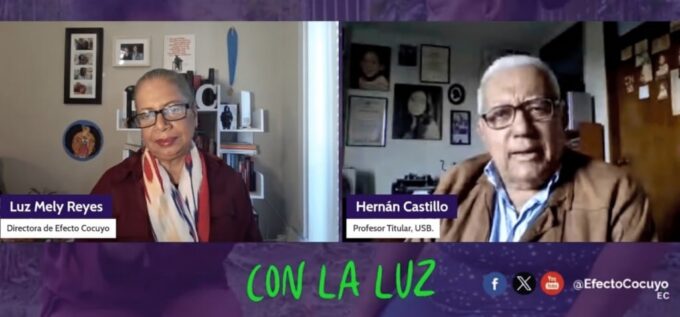
A Call for Transformation: Hernán Castillo’s Vision for Venezuela’s Military Sector
Explore historian Hernán Castillo's insights on the urgent need for reform within...
2 Mins read
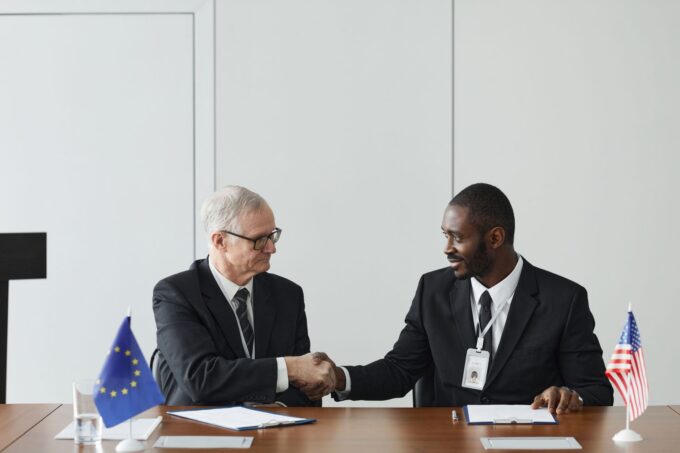
US and Venezuela Sign Landmark Deal to Reestablish Military Ties
The recent agreement between the US and Venezuela to restore military relations...
2 Mins read
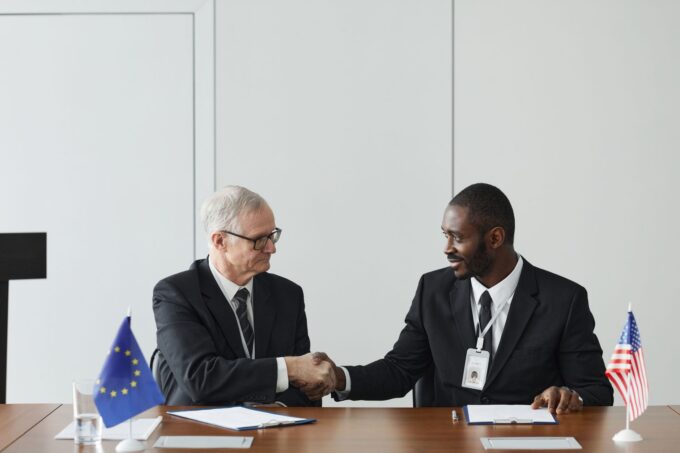


US and Venezuela Sign Military Agreement to Reestablish Ties
The recent military agreement between the US and Venezuela marks a pivotal...
1 Mins read

Leave a comment