
Ukraine Conducts Significant Military Offensive Against Moscow
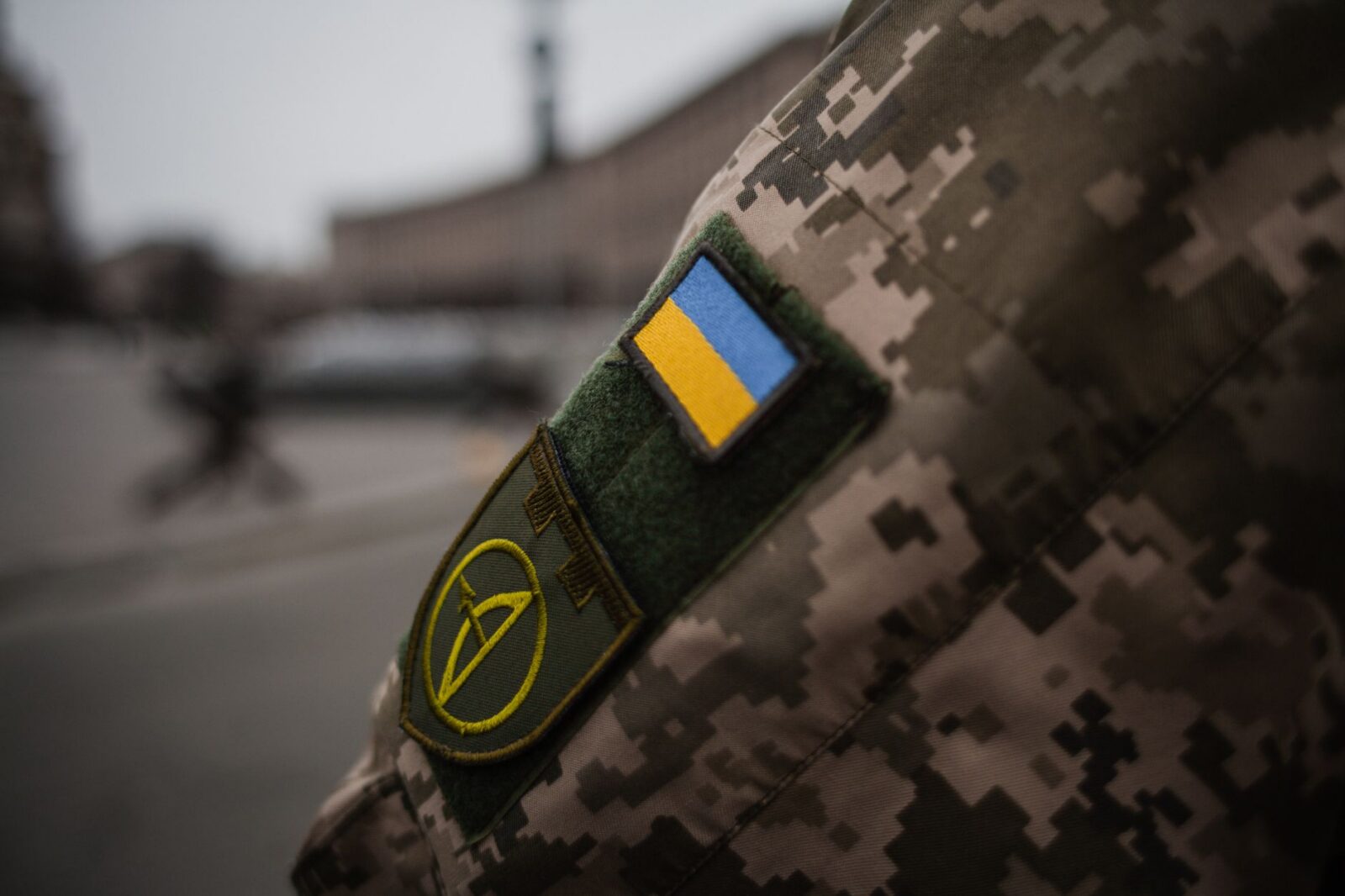
In a remarkable escalation of hostilities, Ukraine has launched its largest military offensive against Moscow in recent years, marking a pivotal moment in the ongoing conflict between the two nations. This attack, which occurred on June 18, 2026, is characterized by a coordinated strike involving multiple drone and missile assaults that targeted key infrastructure within the Russian capital.
The Ukrainian government, under President Volodymyr Zelensky, has not publicly confirmed the specifics of the operation, but military analysts suggest that this offensive is a direct response to the recent intensification of Russian military activities along Ukraine’s eastern border. The attack signals Ukraine’s commitment to defending its sovereignty and may reflect a strategic pivot to regain momentum in the protracted conflict.
This development is significant on several fronts. Firstly, it heightens the risk of an expanded military confrontation in the region, with potential implications for NATO allies and global security frameworks. The international community, particularly the United States and European Union, has been closely monitoring the situation, as any escalation could disrupt energy supplies and economic stability in Europe. Furthermore, this offensive could provoke a robust retaliatory response from the Kremlin, potentially drawing in regional allies and exacerbating tensions across Eastern Europe.
Looking ahead, this attack could alter the trajectory of diplomatic efforts aimed at resolving the conflict. If Russia perceives this as a significant threat to its national security, it may increase its military presence in the region and intensify its operations against Ukraine. Conversely, Ukraine’s show of strength may bolster its position in future negotiations, as it seeks greater military and logistical support from Western allies. The global community must remain vigilant, as the consequences of this offensive extend far beyond the immediate battlefield, impacting geopolitical stability and international relations.
Source: Newsweek









Gaza Students Resort to Writing on Aid Boxes Amid Severe Paper Shortages
The ongoing paper shortages in Gaza highlight the humanitarian crisis affecting education...
 1 Mins read

China’s UN Envoy Urges Israel to Adhere to Gaza Ceasefire Amid Escalating Tensions
China's call for Israel to uphold the Gaza ceasefire highlights the urgent...
1 Mins read

White House Highlights Delayed Obama Presidential Center to Elevate Trump’s Legacy as ‘Builder-in-Chief’
The delayed inauguration of the Obama Presidential Center underscores the contrasting legacies...
1 Mins read


Trump’s Executive Power Ambitions Emerge in New Book
The global implications of Trump's increasing push for executive power resonate amid...
1 Mins read

Leave a comment