
Ukraine Initiates EU Accession Negotiations Amid Ongoing Conflict
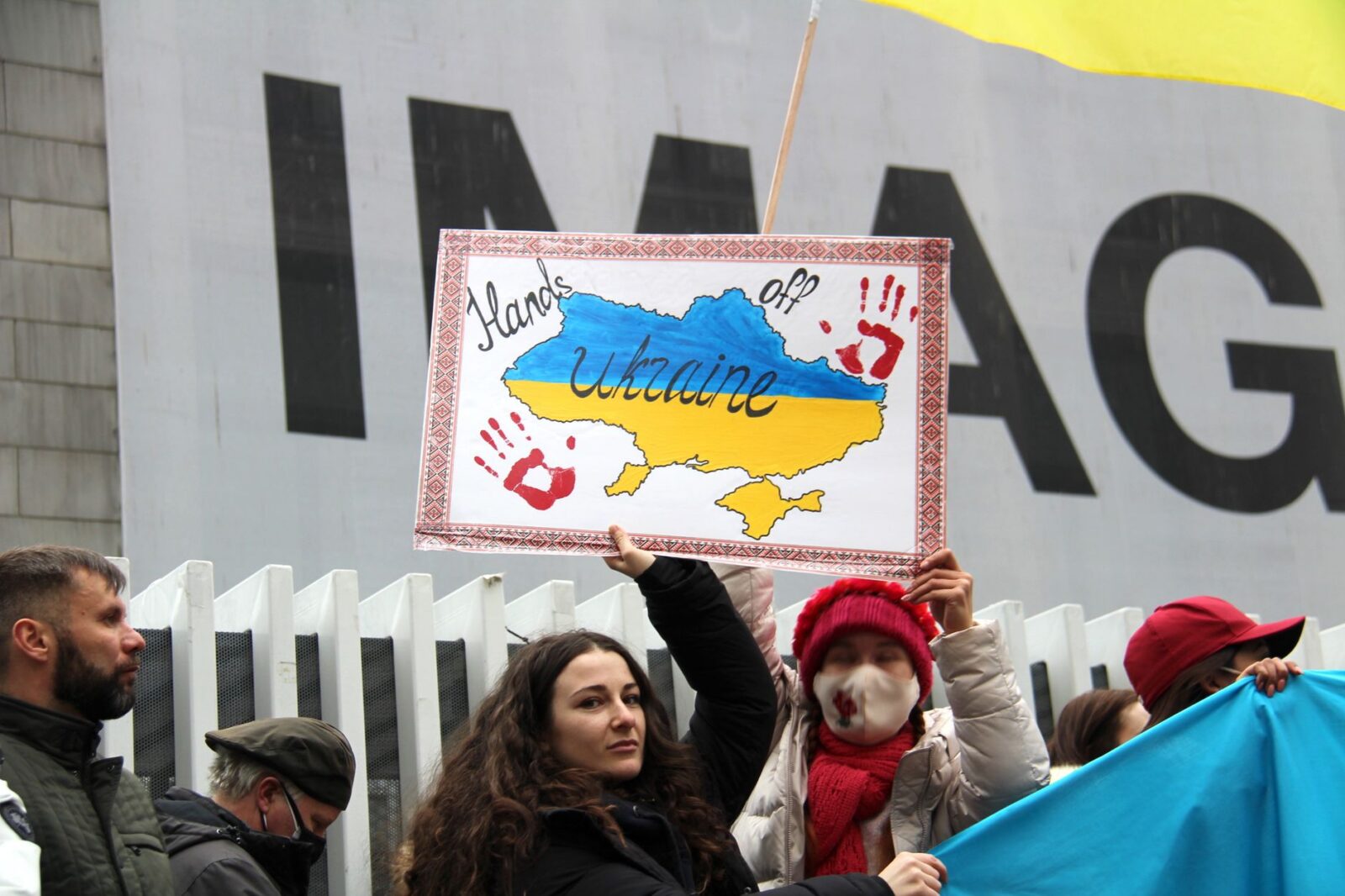
On June 16, 2026, Ukraine officially commenced negotiations for its accession to the European Union, a significant development occurring on the 1,574th day of the ongoing war with Russia. This momentous step is seen as a culmination of Ukraine’s long-standing aspirations for deeper integration with Western Europe, particularly in light of the sustained military aggression it has faced since 2022.
The negotiations involve key Ukrainian officials, including President Volodymyr Zelenskyy, who has been a vocal proponent of EU membership as a strategic counter to Russian expansionism. The EU, represented by officials from various member states, has indicated a willingness to support Ukraine’s ambitions, reflecting a broader commitment to strengthening ties with Eastern European nations amid increasing security concerns related to Russia’s military actions.
The significance of these negotiations extends well beyond Ukraine’s borders. As the war continues to reshape the geopolitical landscape, Ukraine’s potential accession to the EU could serve as a catalyst for a more united European stance against Russian aggression. This move is expected to bolster not only Ukraine’s economy through access to EU markets and funding but also enhance the overall security framework of Europe, which has been under strain since the conflict began.
Looking ahead, the outcome of these negotiations could have far-reaching implications. Should Ukraine successfully navigate the accession process, it may encourage other nations in the region to pursue similar paths, potentially altering the balance of power in Eastern Europe. Furthermore, the EU’s support for Ukraine could lead to increased military and financial aid, intensifying the ongoing conflict with Russia. As the situation evolves, global leaders and investors will need to closely monitor the developments in these negotiations, as they hold the potential to redefine alliances and economic strategies across the continent.
Source: EA WorldView









Trump’s Alleged Remarks About Netanyahu Stir Controversy Amidst U.S.-Israel Relations
The alleged comments by Trump could reshape perceptions of U.S.-Israel relations and...
 1 Mins read

UN Experts Accuse Israel of Targeting Children in Gaza, Reinforce Genocide Claims
The international community grapples with escalating accusations against Israel amid ongoing conflict...
1 Mins read

IDF Engages in West Bank Operation, Resulting in Palestinian Fatality
The IDF's actions in the West Bank heighten tensions amidst ongoing Israeli-Palestinian...
1 Mins read



UN Experts Accuse Israel of Targeting Children in Gaza, Renew Genocide Allegations
UN experts' accusations against Israel highlight urgent global concerns over civilian safety...
1 Mins read

Leave a comment