
Ukraine Targets Russian Energy Infrastructure Amid Claims of Territorial Gains by Moscow
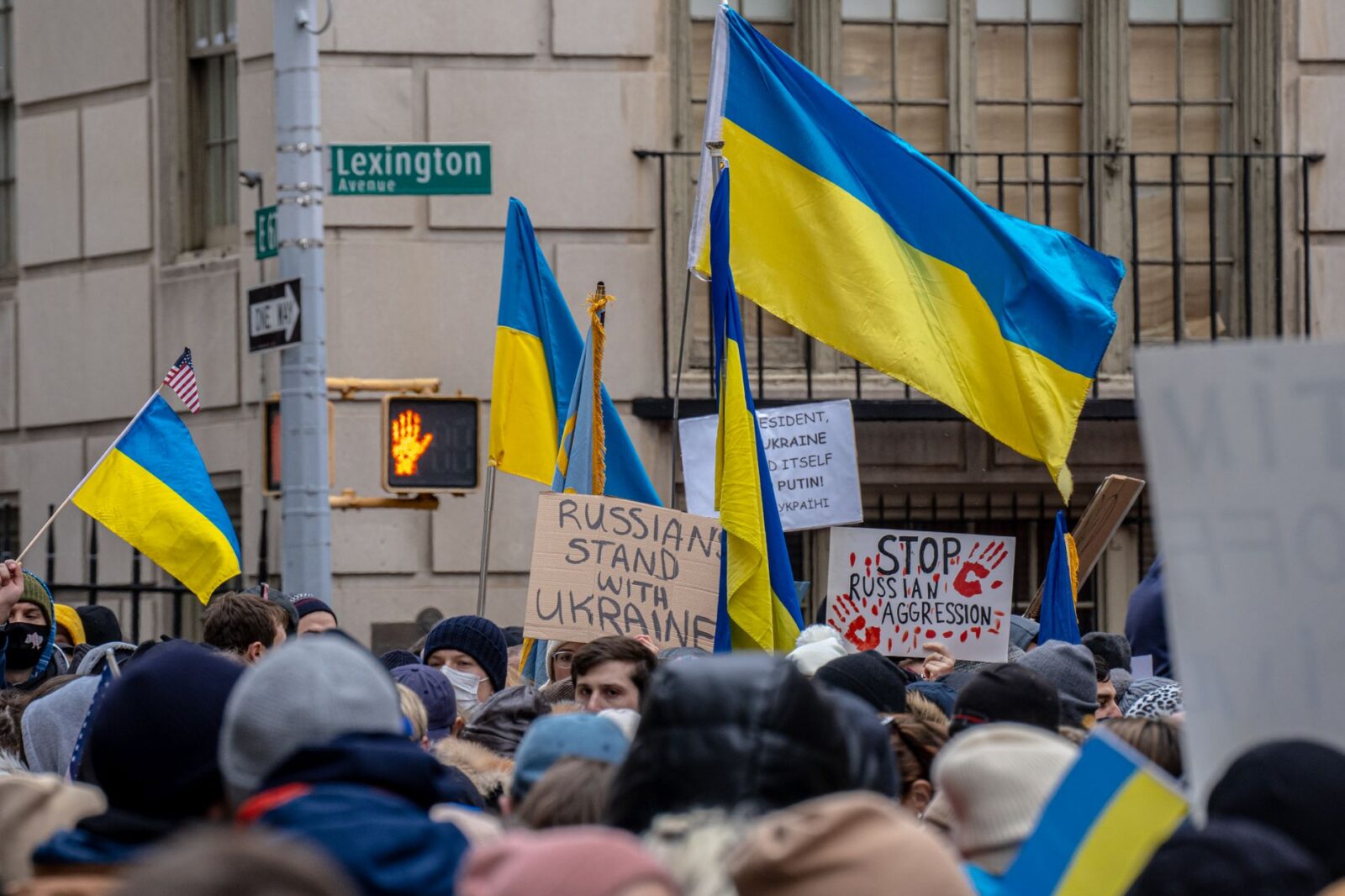
On June 27, 2026, Ukraine conducted a series of targeted strikes against key Russian energy infrastructure, reflecting a strategic escalation in its ongoing conflict with Moscow. The attacks primarily focused on oil refineries and distribution networks, aiming to disrupt Russia’s energy supply chain, which is critical for both domestic consumption and export revenues. Ukrainian officials have stated that these operations are designed to weaken Russia’s ability to sustain its military efforts while simultaneously sending a message of resilience to both domestic and international audiences.
In response, Russian military spokespersons have claimed significant territorial gains in the eastern regions of Ukraine, asserting that their forces have captured strategic positions in the Donetsk and Luhansk oblasts. This dual narrative of territorial advancement juxtaposed with Ukrainian offensives against energy targets illustrates the complexity and volatility of the current situation in the region. The ongoing conflict has drawn international scrutiny, particularly as energy markets remain sensitive to fluctuations in supply and geopolitical tensions.
The implications of these developments are profound. As Ukraine intensifies its strikes, the potential for a broader escalation grows, raising concerns about retaliatory measures from Russia that could further destabilize the region. Additionally, the impact on global energy markets cannot be understated, especially in light of Europe’s ongoing reliance on Russian energy supplies. Disruptions could lead to increased energy prices, impacting economies worldwide and exacerbating the already fraught landscape of global energy security.
Looking ahead, the situation remains precarious. Should Ukraine continue its offensive successfully, it may embolden other nations to reconsider their energy dependencies and military strategies in light of emerging threats. Conversely, if Russia responds with heightened military action, the conflict could escalate into a more extensive military engagement, drawing in various international stakeholders and complicating diplomatic efforts to resolve the crisis.
Source: EFE – Agencia de noticias





Traditionalist Catholics Challenge Pope Leo XIV’s Authority, Embrace Outsider Identity
The growing rift among traditionalist Catholics signifies a pivotal moment in the...
 1 Mins read
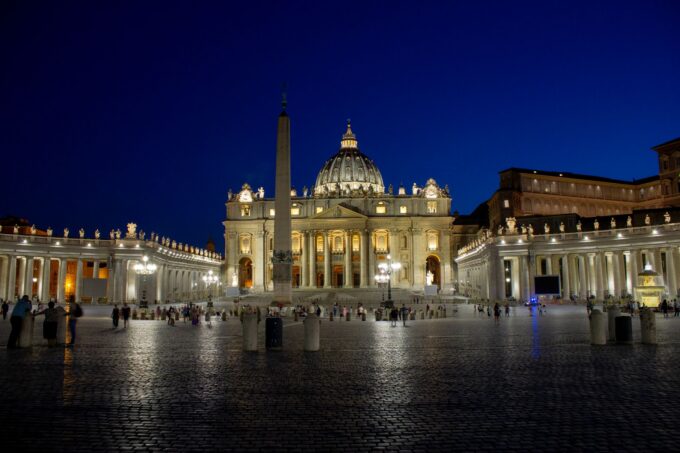
Pope Leo XIV Opens Consistory, Urges Cardinals to Foster Global Unity in Faith
Pope Leo XIV's call for unity among cardinals underscores the Catholic Church's...
1 Mins read

Cardinals Consider Replacing ‘Just War’ Doctrine with ‘Proportional Defense’ Framework
The potential shift from 'just war' to 'proportional defense' could redefine Catholic...
1 Mins read
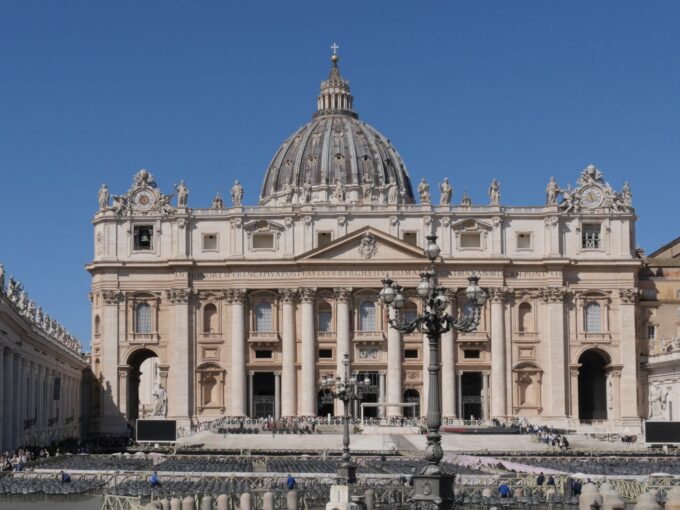


Pope Appoints Former Undocumented Migrant as Bishop in the United States
This historic appointment highlights the Catholic Church's stance on immigration and inclusion,...
1 Mins read
Leave a comment