

Political Crossroads: The Stakes of U.S.-Venezuela Relations
As the geopolitical landscape shifts, tensions surrounding U.S. involvement in Venezuela’s oil sector have escalated, drawing the attention of key Democratic senators. With an unprecedented oil deal on the table, the implications of such negotiations extend far beyond energy production, placing accountability and ethics at the forefront of political discourse.
Questions Raised: The Role of Alejandro Betancourt
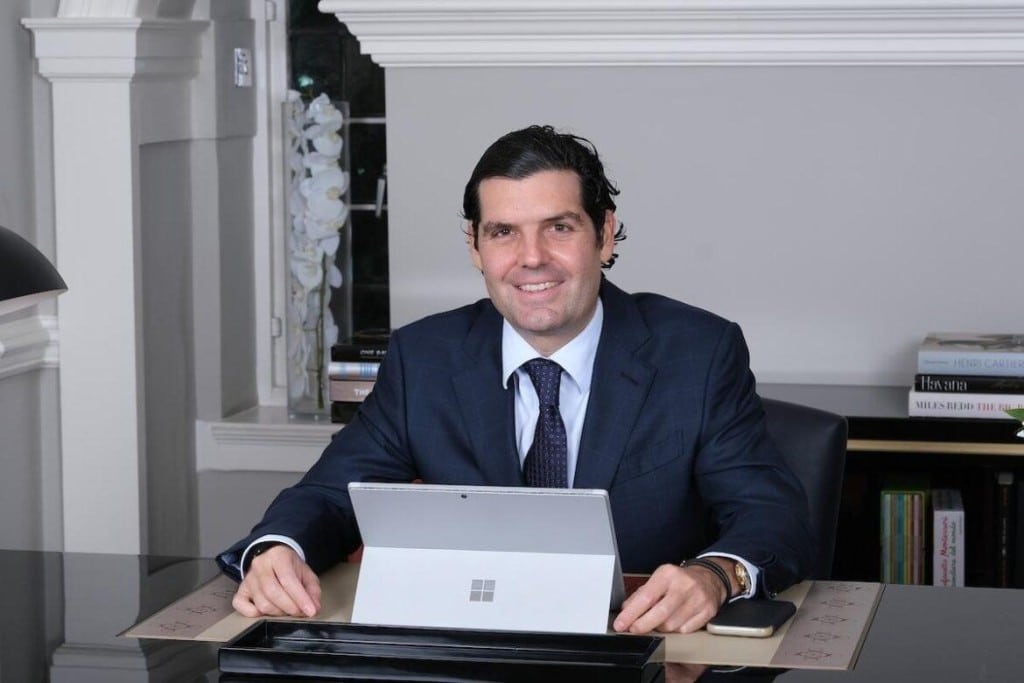
The spotlight has turned towards Alejandro Betancourt, a Venezuelan businessman whose involvement in the recent oil agreement has ignited a firestorm of scrutiny. Senators Robert Garcia, Gregory Meeks, and Jared Huffman have formally demanded answers from Secretary of State Marco Rubio and Attorney General Todd Blanche, questioning the integrity of partnering with Betancourt, who has been linked to various investigations regarding money laundering.
- Betancourt’s company, North American Blue Energy Partners (NABEP), is pivotal in the agreement, which grants the U.S. a 35% stake and preferential purchase rights of 20% of its production.
- The senators emphasize the historical context, highlighting concerns over the U.S. government potentially collaborating with individuals accused of white-collar crimes.
A Deep Dive into Controversies
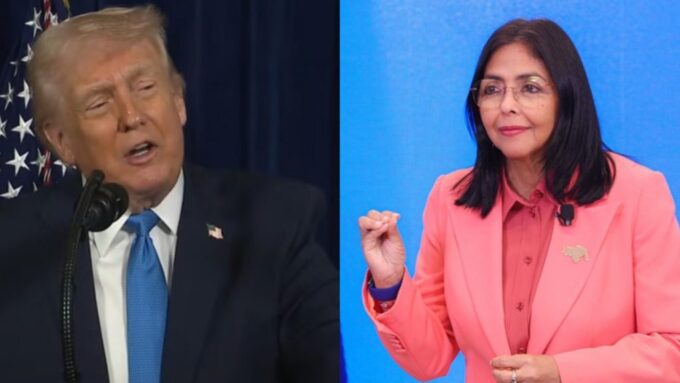
Recent investigative reports have suggested that U.S. officials intervened in a Swiss investigation concerning Betancourt, raising eyebrows about the integrity of such diplomatic engagements. Allegations hint at efforts made by senior officials from the Department of Justice and the State Department to facilitate leniency for Betancourt, potentially allowing him to act as a crucial intermediary in negotiations with the Venezuelan regime led by Delcy Rodríguez.

At 46 years old, Betancourt operates as the head of Venezuela’s second-largest private oil producer. His business dealings have been marred by investigations across multiple countries, including the U.S., Switzerland, and Spain, all related to money laundering schemes tied to PDVSA, the state-owned oil company. Despite the serious charges, he has yet to face convictions, complicating the narrative surrounding his business activities.
The U.S. Administration’s Defense
In the face of mounting criticism, the U.S. administration has defended its choice to engage with Betancourt, asserting that his experience could significantly enhance oil production capabilities in Venezuela. This assertion, however, does little to quell the concerns raised by Democratic leaders regarding transparency and ethical governance.
Call for Accountability
The letter from the senators, dated September 17, embodies a broader demand for clarity and accountability in dealings involving approximately $13 billion in Venezuelan oil revenues currently under U.S. control. They have set a deadline of October 1 for the administration to disclose the identities of individuals involved in the negotiations, details on Betancourt’s role, and communications among various government entities.
While the administration is not legally obliged to comply with these requests, the political implications are substantial. Should the Democrats regain control of the House in the upcoming elections, the signatories of the letter are poised to assume leadership roles in key committees, granting them the power to issue subpoenas and further investigate the matter.
A Broader Context: The Future of Venezuelan Oil
As the world watches, the unfolding situation underscores a critical juncture in U.S.-Venezuela relations. The intricacies of the oil agreement not only impact energy markets but also reflect a moral conundrum that challenges the principles of democracy and governance.
The call for transparency is not merely a question of political maneuvering; it embodies a deeper concern regarding how nations engage with entities marked by corruption and scandal. As Miami stands as a vibrant hub for both business and political discourse, the implications of these developments resonate widely, impacting not just policy but the ethical fabric of international relations.
Conclusion: Navigating Complex Waters
The demand for answers from the Democratic senators highlights the ongoing struggle for transparency and accountability in international dealings. As the U.S. navigates its relationship with Venezuela, the outcome of these inquiries may well set a precedent for how similar situations are handled in the future.
In this delicate dance of diplomacy and commerce, the stakes are high—and the world is watching.
Editorial note: This article was created by A Bit Lavish Miami’s Magazine as an original editorial reinterpretation based on publicly available reporting. Original source: efectococuyo.com. Read the original article here: https://efectococuyo.com/internacionales/democratas-exigen-respuestas-a-rubio/.
Images are used for editorial reference with source credit. If an image requires correction or removal, please contact A Bit Lavish.








Empowering Voices: Women as Architects of Change in Venezuela
Discover how women in Venezuela are shaping the transition towards democracy and...
 3 Mins read
Navigating Vulnerability: The Return of La Guaira’s Universities Post-Earthquake
Explore the challenges faced by La Guaira's universities as they recover from...
3 Mins read
The Unyielding Spirit of Brenda Velázquez: A Mother’s Fight Amidst Political Turmoil
Discover the harrowing story of Brenda Velázquez, a political prisoner in Venezuela,...
2 Mins read


La Política de la Obediencia: Un Análisis del Futuro Venezolano
Exploramos cómo la renuncia a la política en Venezuela ha llevado a...
2 Mins read

Leave a comment