
US Labor Market Remains Strong Amidst Rising Mortgage Pressures

MIAMI — September 17, 2026
The US labor market continues to demonstrate resilience, with recent reports indicating a solid footing even as rising mortgage rates exert pressure on the housing sector. This development is particularly significant as it highlights the ongoing interplay between employment stability and housing affordability, two critical components of the US economy.
According to a report published by Reuters on September 17, 2026, the labor market remains robust, characterized by low unemployment rates and steady job growth. This strength is crucial as it provides a foundation for consumer confidence and spending, which are vital for economic stability. However, the simultaneous rise in mortgage rates poses a substantial challenge for potential homebuyers, making homeownership increasingly unattainable for many.
The increase in mortgage rates has been attributed to a combination of factors, including the Federal Reserve’s monetary policy aimed at curbing inflation. As of mid-September 2026, the average 30-year fixed mortgage rate has climbed to approximately 7.5%, a significant increase from the previous year’s rates, which hovered around 3.5%. This sharp rise has led to a slowdown in home sales and has pressured housing prices, which could lead to a cooling of the once-booming real estate market.
Key players in this scenario include the Federal Reserve, which is tasked with managing inflation and employment levels, and various financial institutions that are adjusting their lending practices in response to the changing economic landscape. The National Association of Realtors has reported a decline in home sales, indicating that higher borrowing costs are deterring buyers and contributing to a slowdown in the housing market.
This story is receiving heightened attention now due to the critical implications it holds for both the local and national economies. A strong labor market typically supports consumer spending, which is essential for economic growth. However, if rising mortgage rates continue to suppress housing demand, it could lead to a broader economic slowdown, affecting various sectors beyond real estate.
The significance of this development cannot be overstated. A stable labor market coupled with a struggling housing sector could create a dichotomy that complicates economic recovery efforts. Policymakers will need to navigate these challenges carefully to ensure that the labor market’s strength translates into sustained economic growth.
Looking ahead, several scenarios could unfold. If mortgage rates stabilize or decrease, it may revive interest in home buying, potentially reigniting the housing market. Conversely, if rates continue to rise, we could see further declines in home sales and a potential correction in housing prices. The Federal Reserve’s upcoming meetings and decisions regarding interest rates will be closely monitored, as they will play a pivotal role in shaping the future of both the labor and housing markets.
Source: Reuters





Luxury Living Reimagined: Bugatti Joins Miami’s Elite Condo Scene
Discover how Bugatti is redefining luxury in Miami's real estate market with...
 2 Mins read
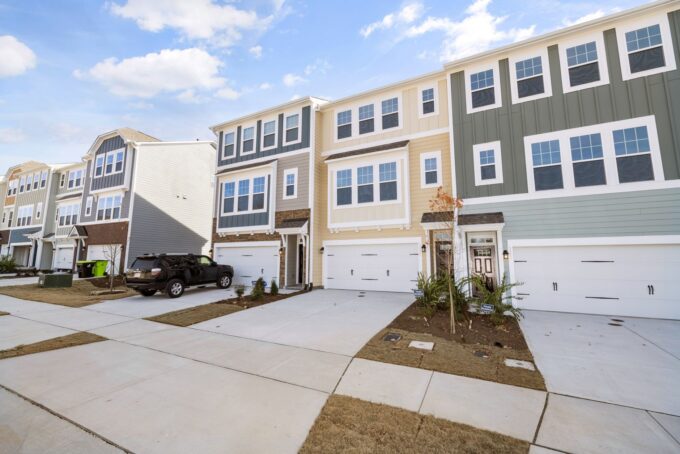
Luxury Orlando Townhome Development Sells for $13.2 Million
A high-end townhome development in Orlando has been sold for $13.2 million,...
1 Mins read
Sunny Randhir Singh Unveils Multicultural, Family-First Strategy for Southern California Real Estate
The announcement marks a pivotal shift in the Southern California real estate...
2 Mins read


Dream Finders Homes Expands Horizons: A $12 Million Acquisition in Palm Beach County
Dream Finders Homes makes a strategic entrance into Palm Beach County with...
 ABL2 Mins read

Leave a comment