
Venezuela Faces Catastrophic Earthquake Aftermath: Over 4,300 Confirmed Dead
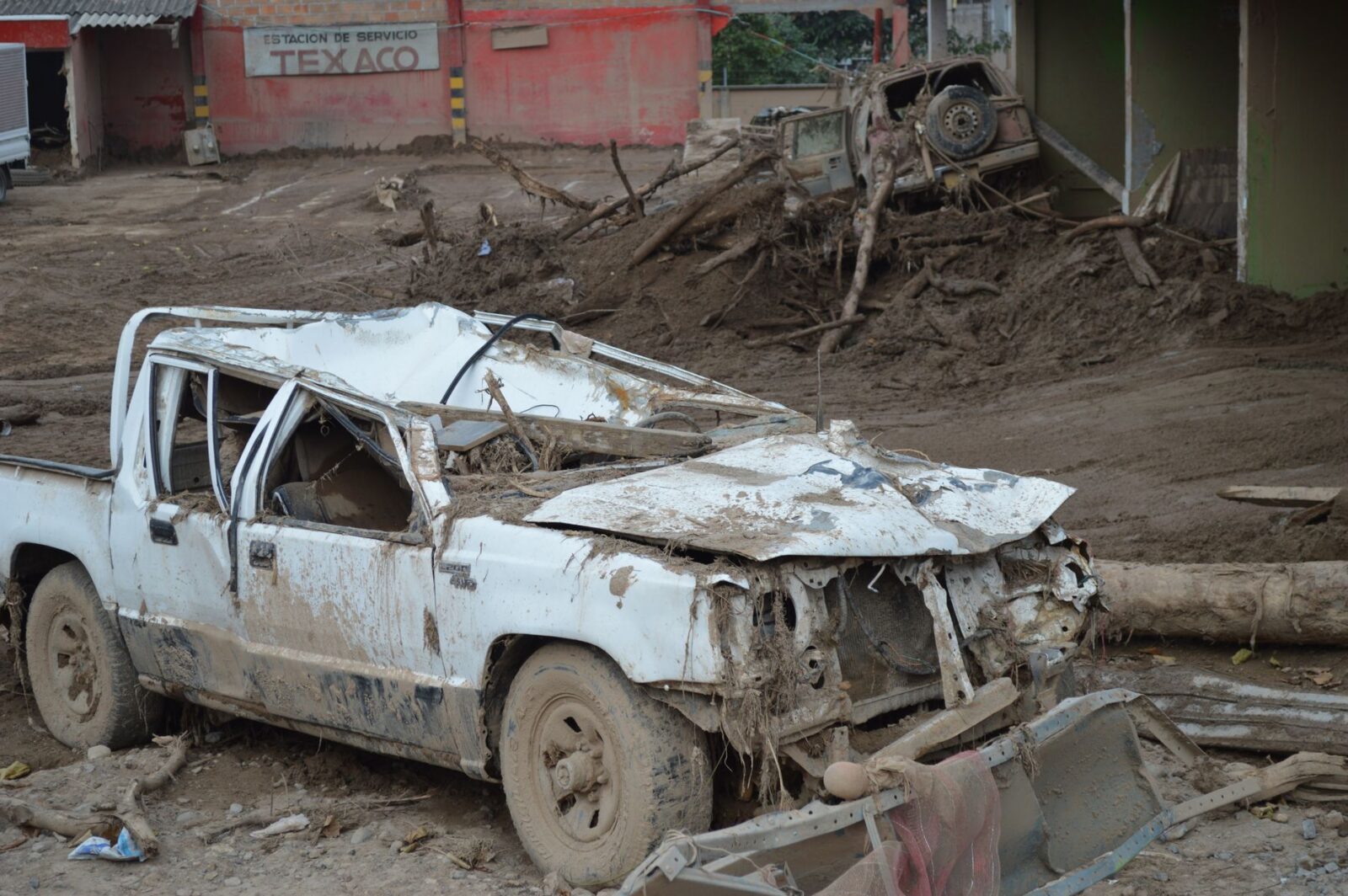
On July 11, 2026, Venezuela’s National Assembly president confirmed a devastating toll from recent earthquakes, reporting 4,333 fatalities and 16,740 injuries across the nation. These seismic events struck various regions, with the most affected areas being located near Caracas and the western states of Zulia and Mérida, leading to widespread destruction of infrastructure and housing.
The Venezuelan government, led by President Nicolás Maduro, is under immense pressure to respond effectively to this crisis. The National Assembly, currently dominated by opposition parties, has called for a comprehensive emergency response plan to address the immediate humanitarian needs and to coordinate international assistance. The dichotomy between the executive and legislative branches is underscored by differing approaches to governance and disaster response, raising questions about governance efficiency and accountability during this national tragedy.
This crisis holds significant implications not just for Venezuela, but also for regional stability. The humanitarian needs could overwhelm existing capabilities, and the potential for unrest may rise as citizens demand accountability and action. International organizations and neighboring countries are closely monitoring the situation, recognizing that a failure to provide adequate aid could exacerbate existing tensions and lead to broader regional implications.
Looking ahead, the Maduro administration may seek to streamline aid distribution and engage with international partners to mitigate the catastrophe’s effects. However, political divisions could complicate these efforts, leading to potential delays in necessary assistance. The upcoming days will be critical as the government navigates the delicate balance of addressing immediate needs while maintaining political stability and public trust.
Source: The Mighty 790 KFGO






U.S. Military Media Outlets Face Scrutiny Amidst Pentagon Review
The Pentagon's reassessment of its media outlets prompts critical discussions about military...
 1 Mins read

Pentagon Investigates Two Oklahoma Schools for Potential Foreign Ties
This investigation raises critical concerns about national security and foreign influence in...
1 Mins read
Alaska Supreme Court Reviews Mat-Su School District Bathroom Policy
The Alaska Supreme Court's deliberation on a contentious bathroom policy underscores critical...
1 Mins read


Roberts Court’s Alleged Bias Raises Concerns Amid Trump Legal Battles
The Supreme Court's perceived alignment with Trump raises critical questions about judicial...
1 Mins read
