
Venezuela Faces Constitutional Challenges Amid Political Turmoil
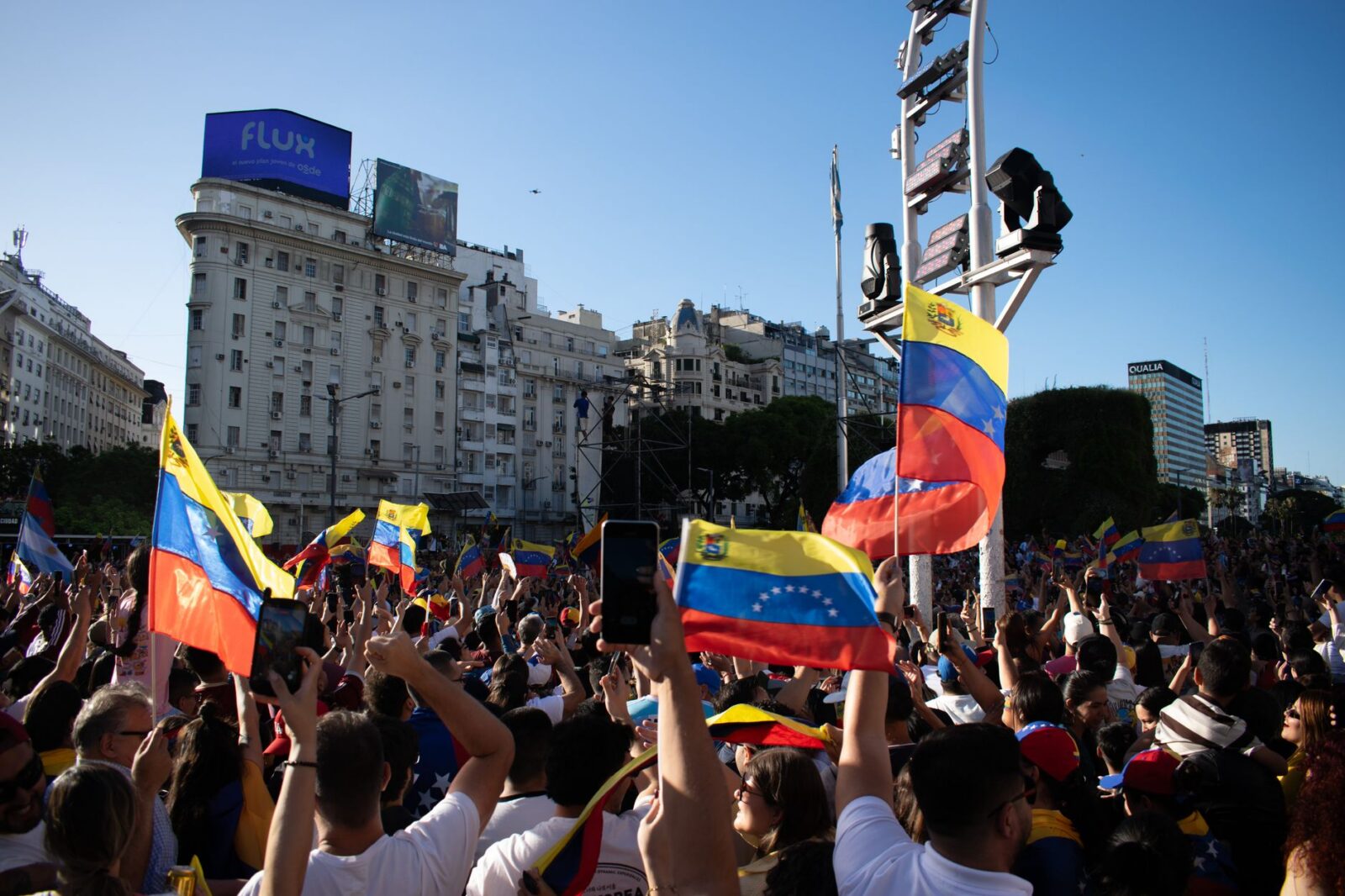
On July 28, 2026, Venezuela’s political landscape experienced significant upheaval as the National Assembly convened to address ongoing constitutional disputes regarding the legitimacy of President Nicolás Maduro’s administration. This session took place in the Assembly’s chambers in Caracas, where lawmakers from various factions debated amendments to electoral laws and the enforcement of constitutional articles that protect citizens’ rights and ensure democratic governance.
The current political crisis is directly tied to allegations of electoral fraud and government overreach, which have been exacerbated by the Supreme Tribunal of Justice’s controversial rulings that have limited the Assembly’s authority. Key figures involved include President Maduro, who has faced continuous domestic and international scrutiny, and opposition leader María Corina Machado, who has called for a comprehensive reform of the electoral system to restore public trust.
This situation is critical not only for Venezuela but also for regional stability in Latin America. The potential for renewed protests and civil unrest poses a threat to public security and could destabilize neighboring countries. Furthermore, international stakeholders, including the Organization of American States (OAS) and the United Nations, are closely monitoring developments, as they could influence foreign relations and economic sanctions imposed on Venezuela.
Looking forward, the National Assembly’s decisions in the coming days will be pivotal. If lawmakers can reach a consensus on reforms that align with constitutional principles—particularly Articles 5, 6, and 70, which emphasize popular sovereignty and the right to political participation—there might be a pathway to restoring some degree of democratic order. Conversely, failure to enact meaningful changes could lead to increased unrest and further international isolation for Venezuela, complicating efforts to address the nation’s dire economic situation.
Source: Frontstretch









Trump Administration Moves Forward with Roadless Rule Repeal Amid Local Conservation Initiatives
The Trump administration's advance on the Roadless Rule repeal raises crucial environmental...
 1 Mins read

Rare 9/11 Pentagon Footage Released After 25 Years
The newly released footage provides critical insights into the events of September...
1 Mins read

The New York Times Faces Scrutiny Over Jennifer Hegseth Claims
This controversy highlights the ongoing tensions in media credibility and public trust.
1 Mins read


Pritzker Demands Pentagon Clarification on USS Abraham Lincoln Deployment Extension
The extended deployment of the USS Abraham Lincoln raises critical questions about...
1 Mins read
