
Ariana Grande Initiates Legal Action Against Hackers for Theft of Unreleased Material

On July 28, 2026, pop superstar Ariana Grande filed a lawsuit against unidentified hackers who allegedly stole a trove of unreleased music, personal photographs, and video footage. The legal action was initiated in a federal court in Los Angeles, California, underscoring the ongoing battle many artists face in safeguarding their intellectual property and personal privacy in an increasingly digital world.
Grande, a prominent figure in the music industry, is seeking not only damages but also a court order to prevent further distribution of the stolen materials. Her legal team has expressed concerns over the extensive implications such breaches have on artists’ rights and the integrity of the creative process. This incident follows a series of high-profile cyberattacks in the entertainment sector, raising alarms about the effectiveness of current cybersecurity measures and the potential for further incidents.
This development is particularly significant as it reflects broader vulnerabilities within the digital landscape that threaten not only individual artists but also the music industry at large. The unauthorized access to Grande’s unreleased work could disrupt market strategies, impact sales, and erode fan trust, thereby affecting the financial health of record labels and associated businesses. Furthermore, it highlights the urgent need for enhanced legal protections and cybersecurity protocols to safeguard creative works.
Looking ahead, the outcome of this lawsuit could set a precedent for how the music industry addresses cybersecurity threats. If successful, Grande’s case may prompt other artists to take similar legal actions, potentially leading to a reevaluation of industry standards regarding digital security and copyright protection. Conversely, if the case falters, it may embolden hackers and increase the risks for artists, further complicating the landscape of creative expression in the digital age.
Source: Rolling Stone









Funding Compassion: The Unfolding Narrative of Lindsay Clancy’s GoFundMe Campaign
Explore the intricacies of the GoFundMe campaign supporting Lindsay Clancy's family amidst...
 2 Mins read
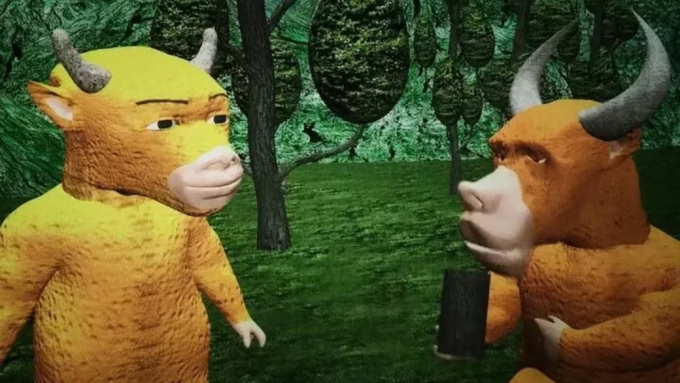
Niu Lai: The Unexpected Champion of Creative Authenticity in an AI-Driven World
Explore how the Chinese animated film Niu Lai, despite its poor animation...
3 Mins read
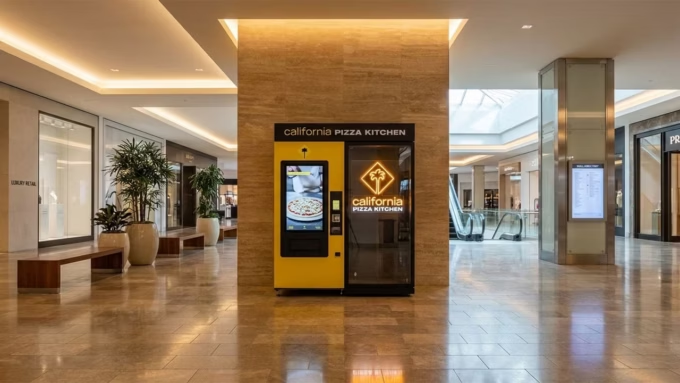
Revolutionizing Fast Casual: California Pizza Kitchen’s Bold Leap into Vending Technology
Explore California Pizza Kitchen's innovative approach to expanding its brand through autonomous...
3 Mins read


Ross Stores Plans Ambitious Expansion Amid Strong Earnings
Explore Ross Stores' strategic expansion plans for 2026, driven by impressive earnings...
2 Mins read
