
Venezuela Faces Increased Political Tensions Amid Economic Crisis

On July 15, 2026, Venezuela’s political landscape experienced heightened tensions as opposition leaders convened in Caracas to address the deteriorating economic conditions and the government’s response to widespread protests. This meeting, which included prominent figures such as María Corina Machado and Henrique Capriles, was a direct response to the government’s failure to stabilize the economy amid soaring inflation and dwindling access to basic necessities.
The National Assembly, currently dominated by opposition parties, has called for an emergency session to discuss potential measures to alleviate the crisis, invoking Article 70 of the Venezuelan Constitution, which empowers the Assembly to legislate for the public good during states of emergency. However, President Nicolás Maduro’s administration has signaled a willingness to resist these measures, citing national sovereignty and the need for stability, which raises concerns about the potential for further civil unrest.
This situation is significant not only for Venezuela but for the entire Latin American region. The economic collapse has led to an influx of migrants fleeing to neighboring countries, straining resources and creating humanitarian challenges. Furthermore, the international community, particularly the Organization of American States and the United Nations, is closely monitoring the developments, urging all parties to engage in dialogue to restore democratic governance and uphold human rights.
Looking ahead, the potential for escalation remains high. If the Maduro administration continues to suppress dissent while the opposition seeks to mobilize public support, the country could face an even deeper crisis. Alternatively, international diplomatic efforts may intensify, possibly leading to negotiations aimed at establishing a transitional government. The coming weeks will be crucial in determining Venezuela’s trajectory, as both domestic and external pressures mount.
Source: Trinidad Express Newspapers








UN Calls for Immediate Regulations on Autonomous Weapons
The UN urges global leaders to establish regulations on autonomous weapons amid...
 1 Mins read

UN and Red Cross Urge Immediate Legislation Against Autonomous Weapons
Urgent calls for regulation of lethal autonomous weapons highlight global concerns over...
1 Mins read
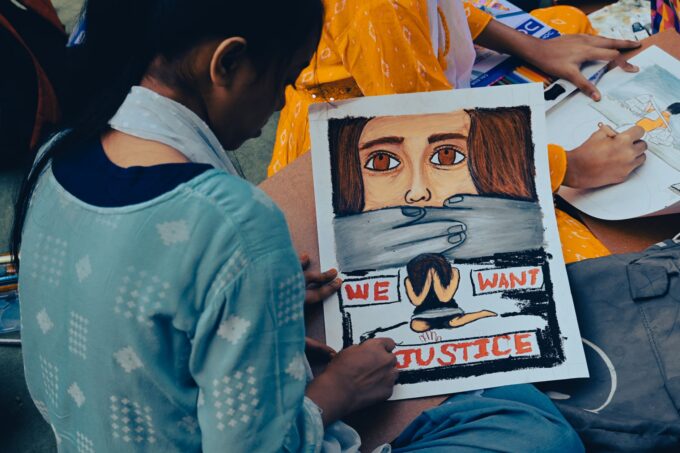
India Responds to UN Rights Panel’s Criticism with Strong Rebuttal
India's firm rebuttal to UN allegations underscores its stance on sovereignty and...
1 Mins read



Slovenia Challenges EU’s Stance on Israel’s West Bank E1 Settlement Plan
Slovenia's position raises significant questions about EU unity on Middle Eastern policies...
1 Mins read
