

A Shattering Reality
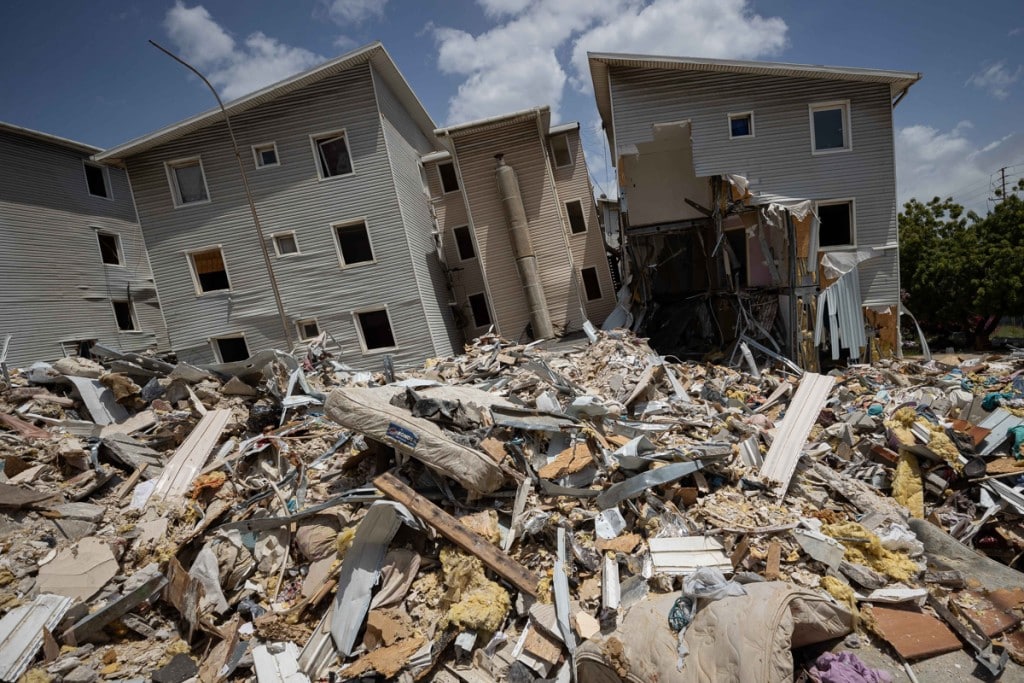
It has been thirty days since a catastrophic event transformed the landscape of Venezuela. On June 24, the earth unleashed its fury with two devastating earthquakes, measuring magnitudes of 7.2 and 7.5, mere seconds apart. The aftermath left an indelible mark, turning entire buildings into heaps of twisted concrete and steel.
The Void of Information
As the dust settles, a haunting silence lingers regarding the fate of those missing. Official statistics on casualties remain conspicuously absent, leaving families in a state of despair. In a heart-wrenching display of hope, loved ones have taken to posting photographs on crumbling walls and scouring makeshift morgues, clinging to the slim hope of reconnecting with those lost. Independent organizations and citizen reports suggest that thousands are unaccounted for, with some estimates indicating over 40,000 individuals missing in the initial days following the disaster.
Counting the Cost
The human toll of this catastrophe is staggering. As of July 22, the confirmed death toll stands at over 5,398, with more than 16,740 injured. The devastation stretches across various regions, including La Guaira, Carabobo, Aragua, and parts of Caracas, where residential buildings, homes, and businesses have been reduced to rubble. The economic ramifications are equally dire, with direct damages estimated to exceed $20 billion, and the total cost of reconstruction projected to surpass $65 billion according to the United Nations.
The Struggles of Displacement
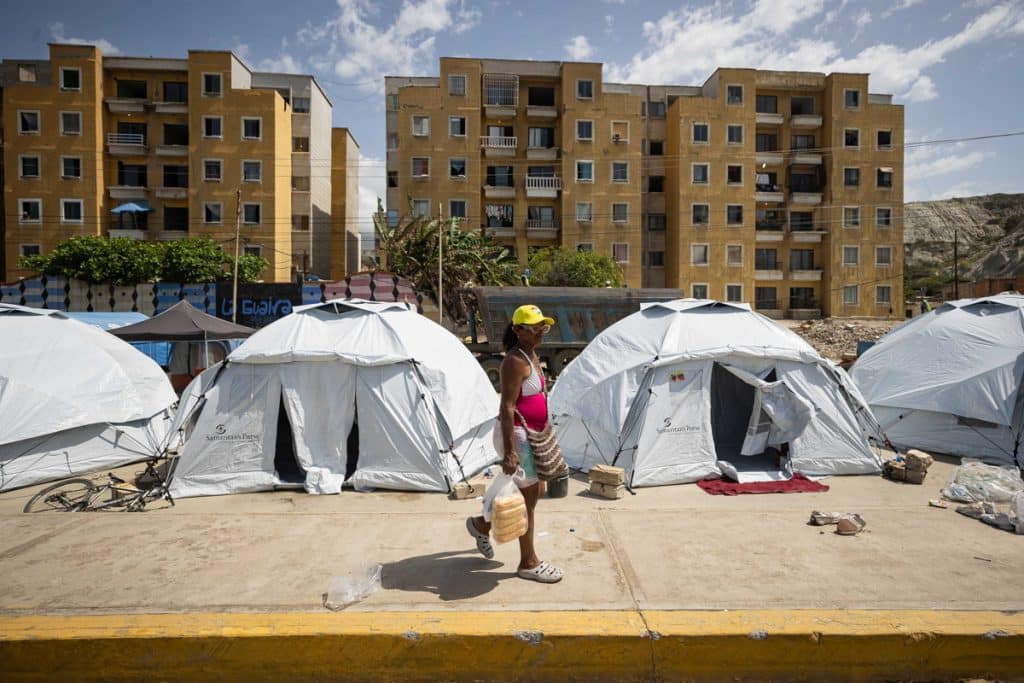
In the weeks following the earthquakes, the tremors have not relented; over 1,500 aftershocks have been recorded, leaving many families in a state of fear and uncertainty. Thousands continue to camp in the streets, their lives hanging in the balance as they grapple with the potential collapse of what little remains. In La Guaira, an area severely impacted, the sight resembles a war zone, with tilted structures, blocked streets, and the pervasive stench of decay.
A Glimmer of Hope Amidst Despair
Despite the overwhelming challenges, a wave of international aid has poured in. Organizations such as the Red Cross, Médecins Sans Frontières, the World Food Programme, and World Vision have provided crucial support, distributing food, water, medicine, and hygiene kits to over 120,000 individuals affected by the disaster. Yet, unlike other disasters in the region, the path to recovery in Venezuela appears dauntingly distant.
The Community’s Resilience
The absence of a national recovery blueprint is glaring. A structured plan for debris removal and a timeline for restoring critical infrastructure are sorely needed. The lack of heavy machinery, compounded by chronic shortages of fuel and materials, has hindered any local efforts. Experts attribute much of the tragedy to poor construction quality and inadequate maintenance over recent years, with even relatively new buildings collapsing as if made of paper.
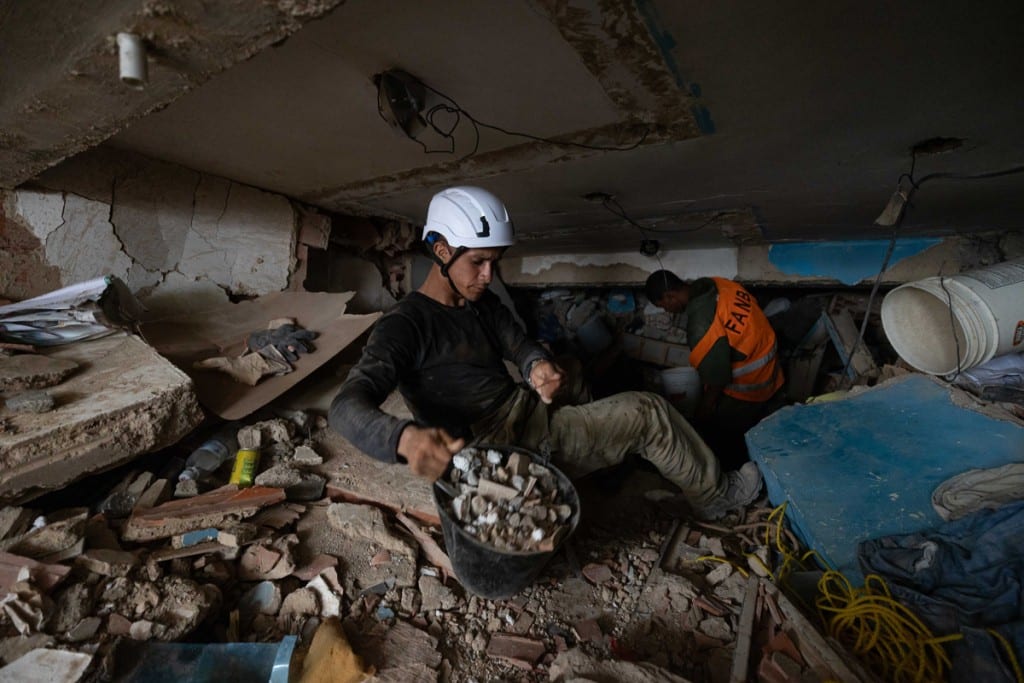
Amidst the chaos, the spirit of community shines through. Neighbors band together to clear rubble with rudimentary tools, churches distribute food, and young volunteers tend to the wounded in makeshift clinics. In a nation where institutions have faltered, the resilience and solidarity of the Venezuelan people have emerged as a beacon of hope.
A Nation in Search of Closure
One month on, Venezuela faces not only physical ruins but the emotional toll of uncertainty. The survivors do not seek miracles; they yearn for clarity, for the machinery to aid recovery, for a safe roof above their heads, and most importantly, for acknowledgment. Beneath the collapsed structures lie not just bodies but stories, lives, and the profound right to mourn.
Editorial note: This article was created by A Bit Lavish Miami’s Magazine as an original editorial reinterpretation based on publicly available reporting. Original source: efectococuyo.com. Read the original article here: https://efectococuyo.com/la-humanidad/un-mes-despues-del-doble-terremoto-venezuela-sigue-contando-escombros-sin-cifras-oficiales-de-desaparecidos/.
Images are used for editorial reference with source credit. If an image requires correction or removal, please contact A Bit Lavish.




Venezuela’s Inflation Rate Hits 8.4% in September 2026
The Central Bank of Venezuela has reported an inflation rate of 8.4%...
 2 Mins read
Navigating the Divide: Brazil’s Polarized Election Landscape
As Brazil approaches a critical election, the nation is divided between Lula...
2 Mins read
A Day of Unity and Compassion: Germany’s National Celebration in La Guaira
On Germany's National Day, the embassy in Venezuela took a humanitarian approach,...
2 Mins read
Former GOP Congressman David Rivera Sentenced to 10 Years for Secret Lobbying Tied to Venezuela
David Rivera's sentencing marks a significant moment in the intersection of U.S....
1 Mins read