
White House Critiques Smithsonian for Alleged Political Bias Amid Cultural Tensions
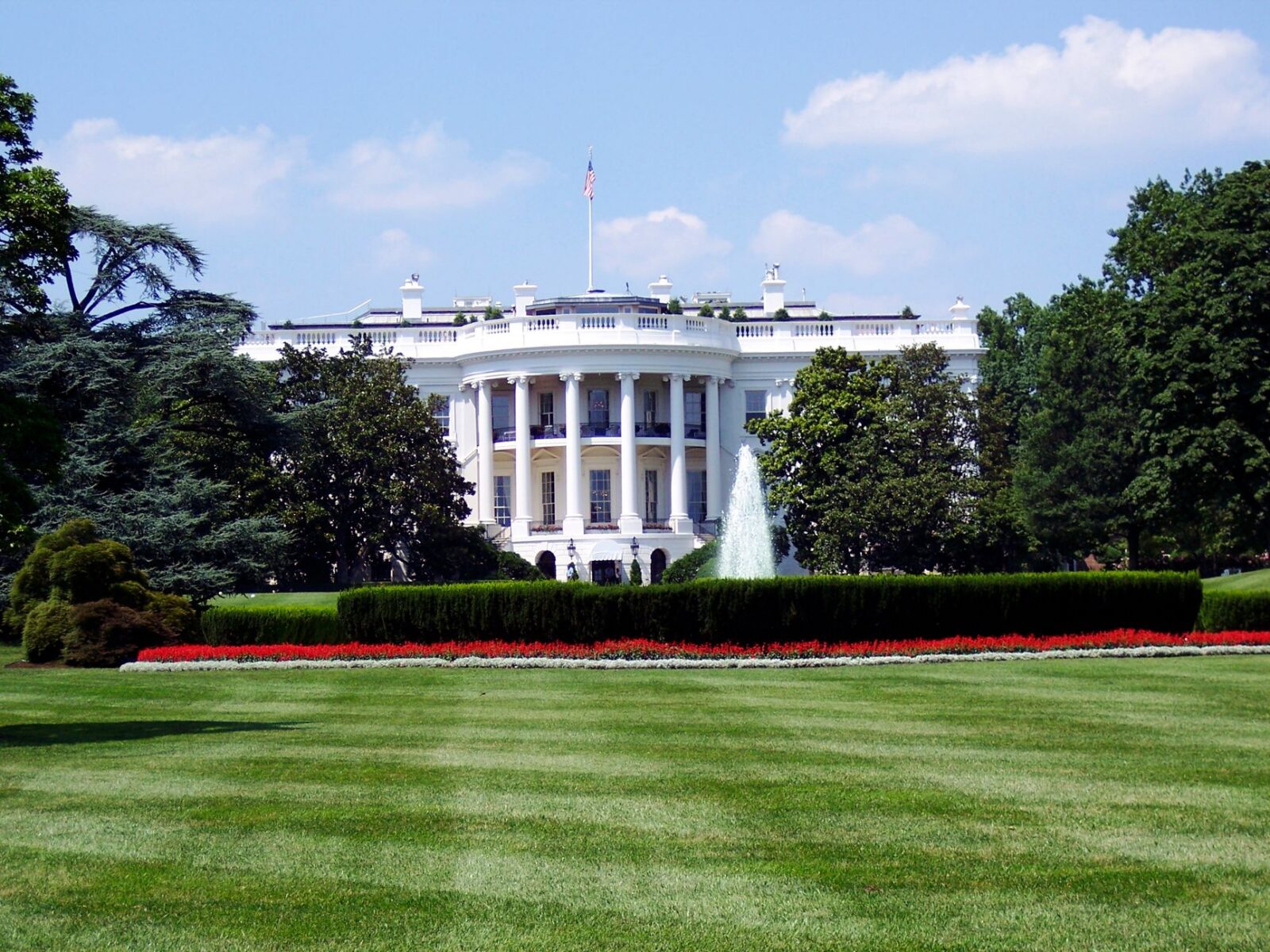
The White House has issued a formal critique of the Smithsonian Institution, accusing it of engaging in what officials describe as ‘extreme political activism’ through its recent exhibitions and programming. This statement, released on July 5, 2026, reflects an intensifying scrutiny of cultural institutions in the United States, particularly regarding their roles in shaping public discourse around sensitive political issues.
In its remarks, the administration highlighted specific instances where it believes the Smithsonian has strayed from its mission of impartiality, citing concerns over exhibitions that allegedly prioritize particular political viewpoints over a balanced representation of American history. The Smithsonian, a conglomerate of museums and research institutions, has long been regarded as a custodian of American heritage. However, the current administration’s stance suggests a growing divide over how history and culture are presented to the public.
This development is significant on a global scale as it signals a broader trend of politicization within cultural institutions, which have historically served as neutral ground for education and discourse. The debate over what constitutes historical accuracy and representation is not confined to the United States; similar discussions are occurring worldwide as nations grapple with their own histories and the narratives they promote. The White House’s position may embolden other governments to reassess their cultural institutions, potentially leading to increased political influence over museums and educational entities.
Looking ahead, this conflict could have profound implications for the Smithsonian itself, as it may face pressure to alter its programming or risk losing federal funding. Additionally, this situation may provoke a backlash from advocates of artistic freedom and historical accuracy, leading to protests or calls for reform within the institution. As both sides dig in, the Smithsonian’s future direction will be closely watched, not only by American citizens but also by global observers concerned about the integrity of cultural institutions in democratic societies.
Source: The New York Times






President Trump Contacts FIFA’s Gianni Infantino Over Balogun’s Red Card Suspension
Trump's intervention highlights the intersection of politics and sports on a global...
 1 Mins read
Trump Addresses Nation at ‘Salute to America 250’ on National Mall
Trump's address underscores his enduring influence in American politics and the implications...
1 Mins read
Dana White and Trump Team Launch New Fox Nation Show on UFC White House Fight
The new show provides unprecedented access to the intersection of sports and...
1 Mins read


President Trump’s Financial Gains Surge Following Return to Office
Trump's rising profits signal potential shifts in U.S. policy and economic alignment,...
1 Mins read
Leave a comment