
Wildfire Risks Prompt Shift in Real Estate Investment Strategies
MIA — September 17, 2026
The increasing frequency and intensity of wildfires across various regions are prompting significant changes in real estate investment strategies. Recent discussions highlight how climate-resilient materials are becoming a focal point for property developers and investors, as they seek to mitigate risks associated with wildfire damage.
On September 17, 2026, a report published by World Business Outlook detailed the urgent need for the real estate sector to adapt to the realities of climate change, particularly in areas prone to wildfires. This shift is not merely a response to environmental concerns but is also driven by economic imperatives, as properties that are not built with fire-resistant materials face declining values and increased insurance costs.
Key players in the real estate market, including developers and investors, are now prioritizing the use of materials such as fiber cement, stucco, and metal roofing, which are known for their fire-resistant properties. This trend is particularly evident in states like California and Colorado, where wildfires have devastated large swathes of land and property in recent years. According to the California Department of Forestry and Fire Protection, over 4 million acres were burned in the state alone in 2020, underscoring the urgent need for resilient construction.
The discussion around climate-resilient materials is gaining traction as investors recognize that properties built with these materials not only stand a better chance of surviving wildfires but also attract buyers who are increasingly aware of environmental risks. The National Association of Realtors has noted a growing preference among homebuyers for properties that incorporate sustainable and resilient building practices.
As the real estate market adapts, financial implications are significant. Properties that are not equipped to handle wildfire risks may see a decrease in market value, while those that are built with climate-resilient materials could command higher prices. Insurance companies are also adjusting their policies, with many offering lower premiums for homes constructed with fire-resistant materials, further incentivizing this shift.
This development is receiving heightened attention now due to the recent surge in wildfire incidents and the increasing awareness of climate change’s impact on real estate. Investors and developers are being urged to rethink their strategies to not only protect their investments but also to contribute to sustainable development practices.
Looking ahead, it is likely that regulatory bodies will begin to implement stricter building codes that mandate the use of fire-resistant materials in high-risk areas. Additionally, as awareness grows, we may see a broader movement towards sustainable building practices across the real estate sector, influencing everything from design to financing.
In conclusion, the intersection of wildfire risks and real estate investment strategies marks a pivotal moment for the industry. Stakeholders must remain vigilant and proactive in adapting to these changes to ensure long-term viability and resilience in the face of climate challenges.
Source: World Business Outlook










Luxury Living Reimagined: Bugatti Joins Miami’s Elite Condo Scene
Discover how Bugatti is redefining luxury in Miami's real estate market with...
 2 Mins read
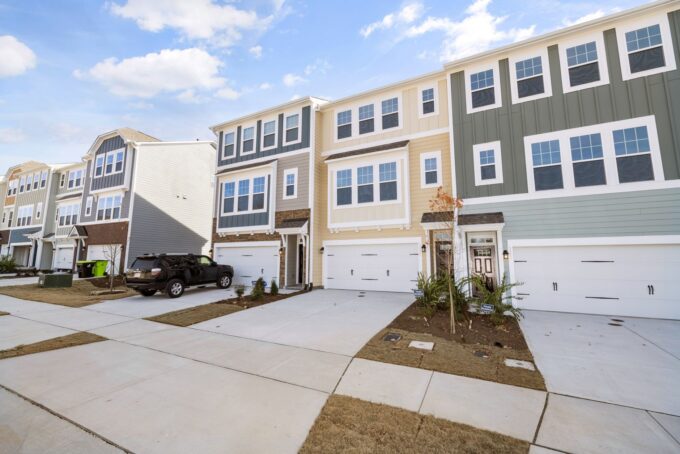
Luxury Orlando Townhome Development Sells for $13.2 Million
A high-end townhome development in Orlando has been sold for $13.2 million,...
1 Mins read
Sunny Randhir Singh Unveils Multicultural, Family-First Strategy for Southern California Real Estate
The announcement marks a pivotal shift in the Southern California real estate...
2 Mins read


Dream Finders Homes Expands Horizons: A $12 Million Acquisition in Palm Beach County
Dream Finders Homes makes a strategic entrance into Palm Beach County with...
 ABL2 Mins read

Leave a comment