
Echoes of History: The Loss of a 300-Year-Old Cossack Church in Ukraine
A Heritage in Wood
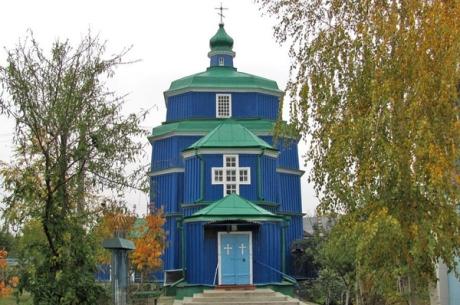
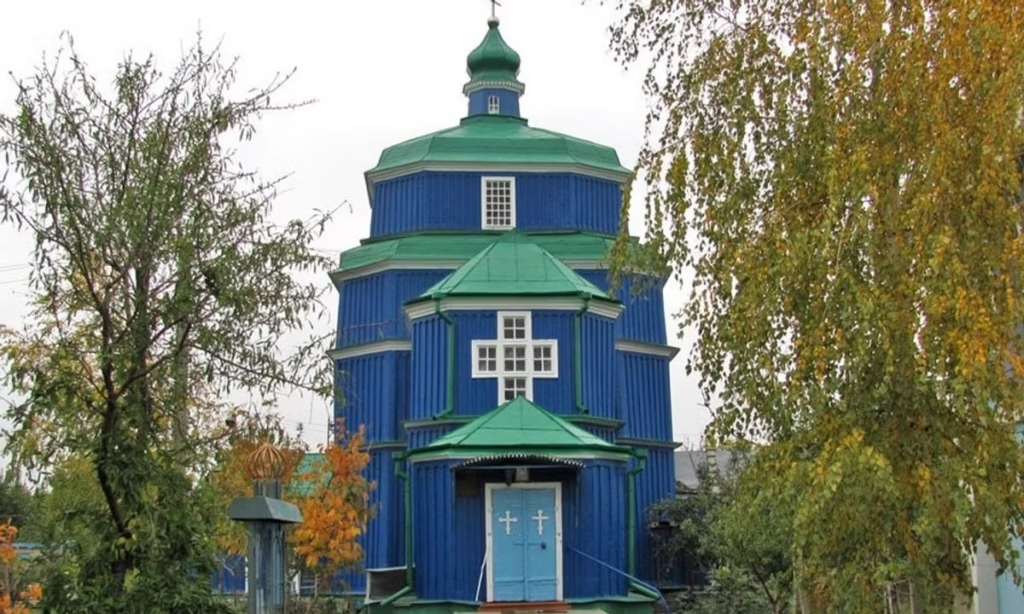
In the ever-evolving tapestry of Eastern European culture, few structures embody the spirit of a people like the Holy Presentation Church, a remarkable wooden edifice that stood as a testament to the craftsmanship and religious devotion of the Cossack community for over three centuries. Revered not only for its architectural significance but also as a cultural symbol, this church was the last of its kind from the 18th century, encapsulating a rich history that has now been abruptly severed.
Significance of the Structure
Constructed in a period when Cossack identity was intricately tied to spirituality and communal integrity, the Holy Presentation Church was more than just a place of worship. It served as a gathering point for the community, a beacon of cultural pride, and a repository of stories passed down through generations. Its unique wooden construction exemplified the architectural styles of its time, incorporating traditional methods that highlighted the region’s artistry and reverence for nature.
Rarity and Cultural Loss
The church’s destruction signifies more than the loss of a mere building; it marks the erasure of a tangible connection to the past. As one of the last surviving examples of 18th-century wooden Cossack churches, its absence leaves a void in the historical narrative of Ukraine and the Cossack heritage. Such structures are not merely architectural relics; they are the physical embodiments of collective memory, representing the resilience and spirit of a community that has faced centuries of upheaval.
The Conflict’s Toll on Heritage
In the context of the ongoing conflict in Ukraine, the targeting of cultural sites raises profound questions about the preservation of history amid warfare. The destruction of the Holy Presentation Church serves as a stark reminder of the fragility of cultural heritage in times of conflict. Each loss reverberates beyond borders, impacting not just the immediate community but the global collective memory. The church’s demise calls for an urgent examination of how we safeguard our shared human legacy in the face of modern turmoil.
Reflections on Legacy and Preservation
As we reflect on this profound loss, it is imperative to consider the role of collector psychology in the context of cultural artifacts. The desire to preserve and honor such unique pieces of history has never been more critical. Collectors and cultural institutions alike must prioritize the documentation and safeguarding of heritage sites, creating a dialogue around the importance of cultural preservation. The Holy Presentation Church, now lost, will inspire a renewed commitment to protect and celebrate the remnants of our shared histories.
A Call to Action
The tragedy of the Holy Presentation Church invites not only sorrow but a call for action. It challenges us to advocate for the protection of cultural heritage worldwide, emphasizing the need for international cooperation in times of conflict. As stewards of history, we must engage in conversations about preservation, funding, and the importance of cultural sites that tell the stories of our ancestors. In Miami, a city rich with cultural diversity and artistic expression, we are reminded of the importance of standing in solidarity with communities around the globe. The echoes of the past, embodied in structures like the Holy Presentation Church, deserve to be honored and remembered, inspiring future generations to cherish their cultural legacies.
Editorial note: This article was created by A Bit Lavish Miami’s Magazine as an original editorial reinterpretation based on publicly available reporting. Original source: theartnewspaper.com. Read the original article here: https://www.theartnewspaper.com/2026/08/05/russian-drone-destroys-unique-300-year-old-wooden-cossack-church-in-ukraine.
Images are used for editorial reference with source credit. If an image requires correction or removal, please contact A Bit Lavish.









A Renaissance Treasure: The Seated Nymph and Its Cultural Significance
Exploring the allure and significance of Antico's 'Seated Nymph,' a Renaissance masterpiece...
 2 Mins read

The Art of Posture: Body Politics Through a Contemporary Lens
Explore how contemporary artists reinterpret body language and public space in a...
3 Mins read

A Symphony of Resistance: The Arts Community Rallies Against Threats to Cultural Heritage
Explore the passionate gathering at the Kennedy Center, where over a thousand...
2 Mins read


The Art of Intuition: Jacob Lewis and the Allure of Printmaking
Discover the insights of Jacob Lewis, president of Pace Prints, as he...
2 Mins read
