
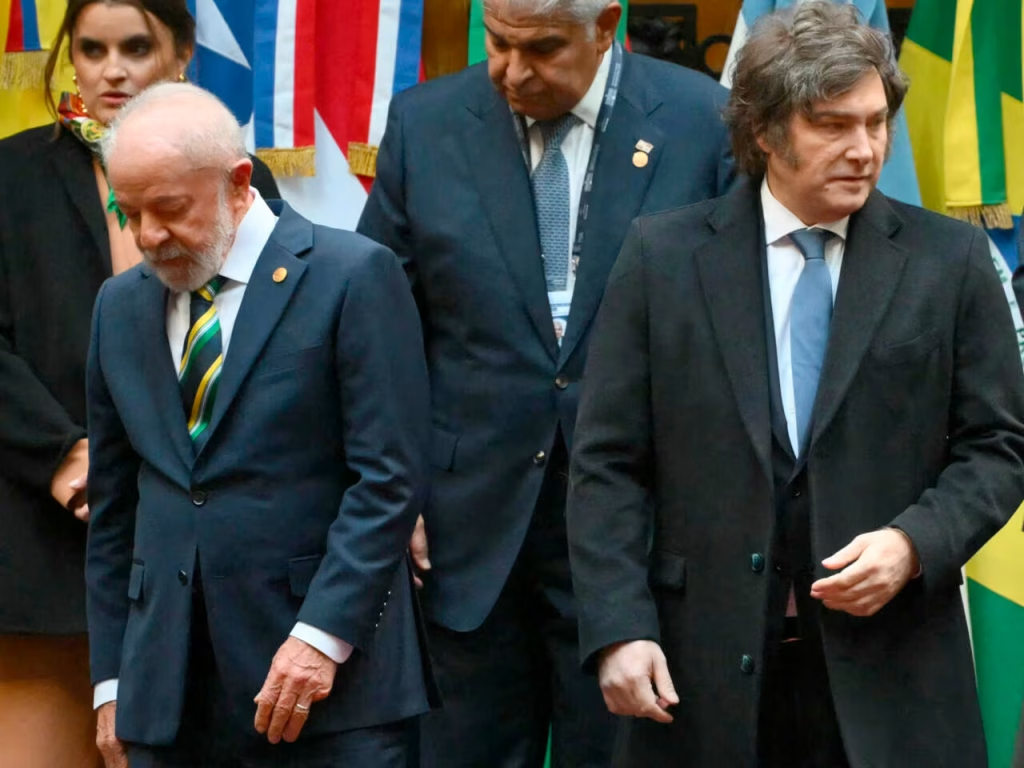
Diplomatic Relations on the Brink
In a bold assertion of national pride, Argentina has firmly declined to extend apologies to Brazil, despite the increasing strain in their bilateral relationship. This diplomatic standoff marks a significant chapter in South American politics, particularly as President Javier Milei’s incendiary remarks regarding Brazilian President Luiz Inácio Lula da Silva have escalated tensions to a new level.
The Root of the Discontent
The Argentine government has taken a resolute stance, insisting that the conflict is not merely a matter of personal insults but rather a reflection of deeper ideological divides. According to sources within the Casa Rosada, the core of the discord lies in what they describe as an “insurmountable ideological chasm” between the two nations. Milei has made headlines for labeling Lula as “corrupt” and a “thief,” rhetoric that has not been well-received in Brasilia.
- Argentina’s Perspective: Officials argue that the Brazilian government’s decision to elevate the dispute to an official level has exacerbated the situation.
- Pragmatic Ties: Despite the ideological differences, Argentina remains open to maintaining practical and commercial relations with Brazil.
The Brazilian Response
In response to Milei’s provocative statements, Brazil’s government has expressed growing frustration. The Itamaraty Palace condemned the remarks as a “unprecedented provocation,” indicating that diplomatic patience has been tested. Brazil’s initial response included recalling its ambassador from Buenos Aires for consultations, a significant diplomatic maneuver that underscores the seriousness of the situation.
- Reducing Diplomatic Ties: Following this diplomatic withdrawal, the relationship has been reduced to a purely commercial and technical basis, sidelining any high-level engagement.
Implications for the Region
The ramifications of this diplomatic spat extend beyond mere personal grievances. Analysts warn that the growing tension poses significant risks for commercial exchange and investment between the two largest economies in South America. The potential for disrupted trade flows could have a ripple effect on businesses and industries that rely on steady relations with their neighbors.
- Impact on Mercosur: This diplomatic friction threatens to stall critical regulatory advancements and integration efforts within Mercosur, the regional trade bloc that includes both countries.
- Business Concerns: Industrial unions on both sides of the Río de la Plata are voicing concerns over unpredictable bureaucratic hurdles that could arise from the escalating tension.
A Pattern of Confrontation
The current situation bears a striking resemblance to previous conflicts experienced by the Milei administration, particularly a notable incident involving Spain. This pattern of confrontational diplomacy suggests a new approach under Milei’s leadership, characterized by a direct confrontation with state leaders and a stark refusal to adhere to traditional diplomatic protocols, including the offering of apologies.
Looking Ahead
As the diplomatic landscape shifts, the need for a resolution becomes increasingly pressing. The Argentine administration has expressed no intention of retracting Milei’s comments, leaving the door open for continued tension. Observers will be keenly watching how this situation unfolds, particularly in light of the economic stakes involved for both nations.
While Argentina stands firm in its ideological convictions, the broader implications of this diplomatic impasse could resonate throughout South America. For Miami’s business community, closely linked to South American markets, understanding these dynamics is essential as they navigate the complexities of international trade.
Editorial note: This article was created by A Bit Lavish Miami’s Magazine as an original editorial reinterpretation based on publicly available reporting. Original source: efectococuyo.com. Read the original article here: https://efectococuyo.com/internacionales/argentina-no-pide-disculpas-a-brasil/.
Images are used for editorial reference with source credit. If an image requires correction or removal, please contact A Bit Lavish.









Dinorah Figuera: A Vision for Venezuela’s Institutional Renaissance
Dinorah Figuera returns to Venezuela with a commitment to reinstitutionalization, aiming to...
 2 Mins read
Vargas: Un Camino hacia la Reconstrucción Sostenible
Un análisis sobre el reciente acuerdo en Vargas para la reconstrucción post-sísmica,...
3 Mins read

Resilience Amidst Ruin: The Aftermath of Caraballeda’s Earthquake
Exploring the heart-wrenching impact of the recent earthquake on the educational community...
 ABL2 Mins read


Navigating the Waters of Dialogue: Venezuela’s Political Landscape in Flux
As Venezuela's political factions prepare for a critical dialogue, the return of...
ABL3 Mins read

Leave a comment