
Preserving Heritage: The Urgent Call for Enhanced Safety in China’s Cultural Institutions

The Weight of Cultural Responsibility
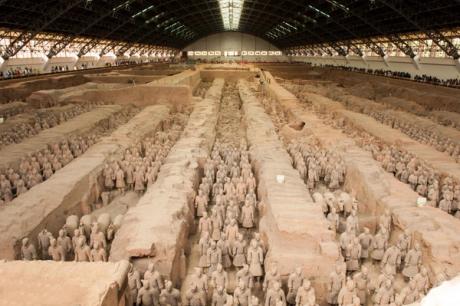
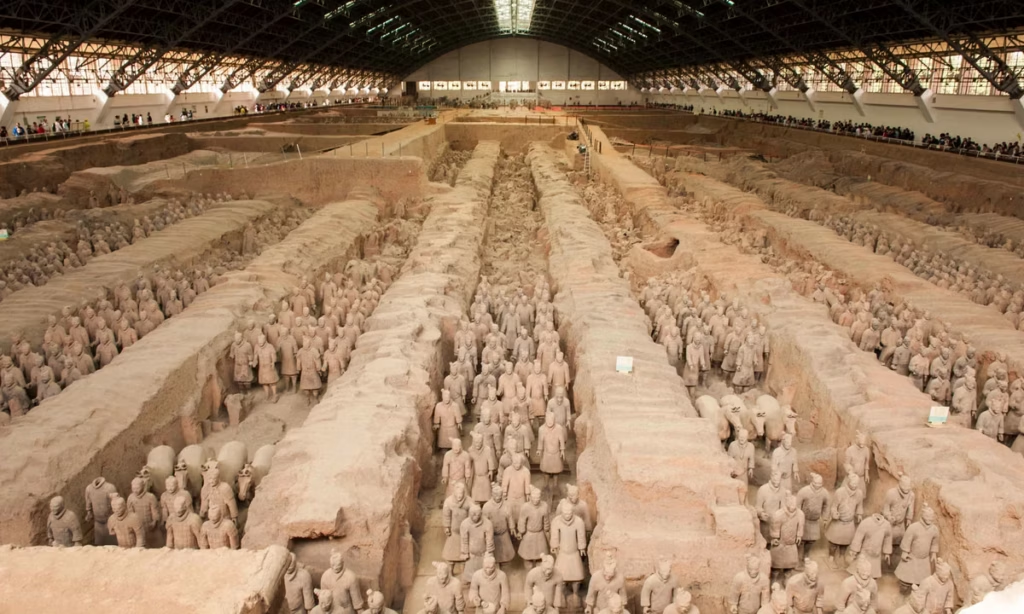
In a world where cultural heritage is increasingly at risk, the importance of safeguarding our artistic treasures has never been clearer. Recent events in China, particularly at renowned institutions like the Terracotta Warriors Museum in Xi’an and the Zhejiang Museum, have prompted urgent actions from the National Cultural Heritage Administration (NCHA). These measures underscore the delicate balance between public access to art and the paramount need for visitor safety.
Incidents that Shook the Foundations
Overcrowding and instances of unexpected blackouts during high-traffic periods have exposed vulnerabilities in the operational protocols of these cultural institutions. Such incidents not only threaten the physical integrity of invaluable artifacts but also compromise the safety and well-being of visitors. The NCHA’s directive reflects a proactive approach to these challenges, urging museums to fortify their emergency response strategies.
Protocol Redefined: A Cultural Imperative
The directive from the NCHA is a clarion call for museums across China to reassess and enhance their emergency protocols. This initiative is not merely a reactionary measure; it serves as a reminder of the profound responsibility that cultural institutions hold in preserving history while ensuring the safety of their patrons. As art collectors and enthusiasts know, the value of an artwork extends beyond its market price; it encompasses the legacy and stories that it embodies.
Investing in Safety and Preservation
For art collectors, the implications of these safety protocols resonate deeply. The provenance of art is not solely tied to its history, but also to the conditions under which it is displayed and preserved. An art piece that has been showcased in a well-maintained, secure environment carries a story of care and respect, which can enhance its market significance. As museums bolster their safety measures, collectors may find greater confidence in the sustainability of their investments.
The Legacy of Cultural Institutions
Chinese museums are not just repositories of artifacts; they are vital educational platforms that foster appreciation for cultural heritage. As cities like Miami embrace a vibrant art scene, the lessons learned from China’s recent challenges resonate globally. Museums in cosmopolitan hubs must remain vigilant, ensuring that they are equipped to handle large crowds while preserving the integrity of their collections.
Impacts on the Global Art Community
As the art world becomes increasingly interconnected, the standards set by major cultural institutions can influence practices worldwide. The proactive measures taken by the NCHA serve as a model for museums everywhere, encouraging a culture of safety, transparency, and respect for both art and audience. The conversation sparked by these events not only highlights the importance of emergency preparedness but also reinforces the notion that art must be appreciated in an environment that prioritizes visitor safety.
A Collective Responsibility
In conclusion, the recent developments in China’s museums remind us that the stewardship of art is a collective responsibility. From curators to collectors, everyone plays a role in ensuring that cultural treasures are not only preserved but also enjoyed safely by future generations. As we navigate the complexities of modern museum practices, let us embrace the dual mandate of protecting our heritage while inviting the world to experience it.
Editorial note: This article was created by A Bit Lavish Miami’s Magazine as an original editorial reinterpretation based on publicly available reporting. Original source: theartnewspaper.com. Read the original article here: https://www.theartnewspaper.com/2026/08/14/chinese-museums-ordered-to-strengthen-emergency-protocols-following-blackouts-and-incidents-of-overcrowding.
Images are used for editorial reference with source credit. If an image requires correction or removal, please contact A Bit Lavish.




A Celebration of Heritage: The Ukrainian Museum’s 50th Anniversary and Its Artistic Tribute
Explore the Ukrainian Museum in New York's 50th anniversary, highlighting an artistic...
 ABL2 Mins read
A Call to Action: The Whitney Museum Workers Stand for Change
Exploring the implications of the Whitney Museum workers' decision to strike, we...
 2 Mins read
Navigating the Waters of Art Restitution: A California Test Case
Exploring the implications of recent lawsuits concerning Nazi-looted art and the potential...
2 Mins read
A New Era at the Vancouver Art Gallery: Co-Leadership and Vision
Explore the transformative leadership of Eva Respini and Sirish Rao at the...
3 Mins read