
Calls for Transparency Amid Political Prisoner Releases in Venezuela
A Shift in Venezuela’s Political Climate
Amid ongoing negotiations influenced by international diplomatic efforts, the political landscape in Venezuela is witnessing significant developments. The recent announcement by the Venezuelan government regarding the release of political prisoners has stirred a mix of hope and skepticism among citizens and advocacy groups. The opposition party Primero Justicia (PJ) has stepped forward to demand transparency, urging the government to publicly disclose the names of those freed.
The Demand for Clarity
On a recent Saturday, PJ took to their social media platforms to call for an official list detailing the identities of the 131 political prisoners who were to be released. They emphasized that the release should not only be a matter of public interest but a necessity for the families and communities affected. “Venezuela deserves transparency, certainty, and peace of mind,” the party asserted, highlighting the ongoing plight of over 390 individuals identified as political prisoners by the human rights organization Foro Penal.
The Current Situation
According to reports, the government initially announced the release of 131 prisoners as part of a broader approach to foster peace and democratic coexistence. However, as of the latest updates, only 64 individuals have been confirmed as released. Foro Penal, a pivotal organization in the defense of political prisoners, continues to verify the status of the remaining cases, underlining the need for an accurate and public account of these developments.
Voices from the Ground
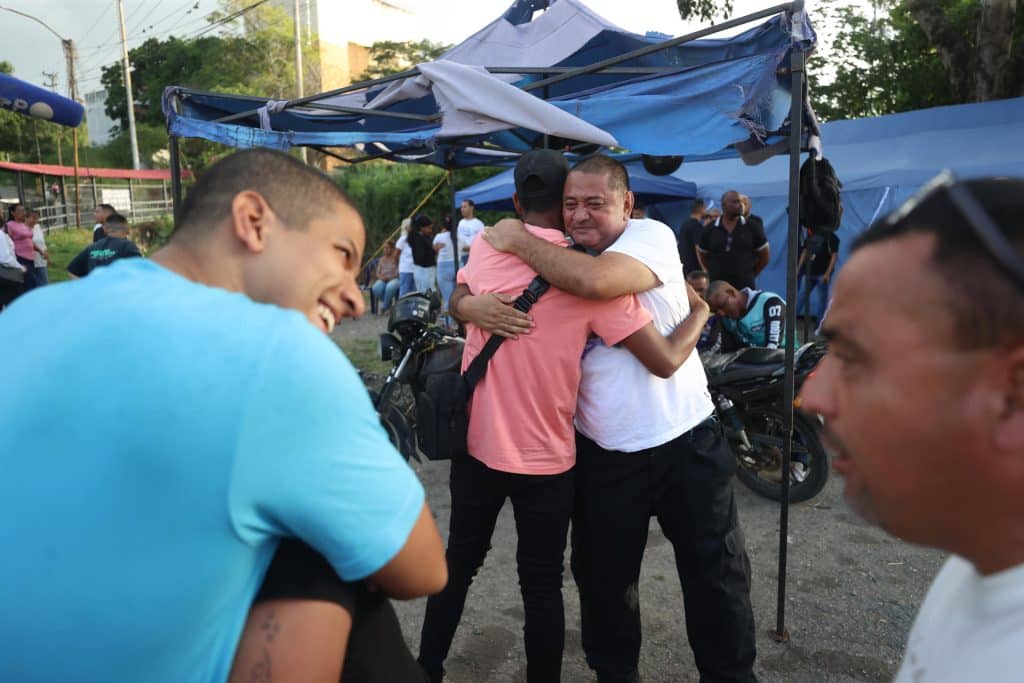
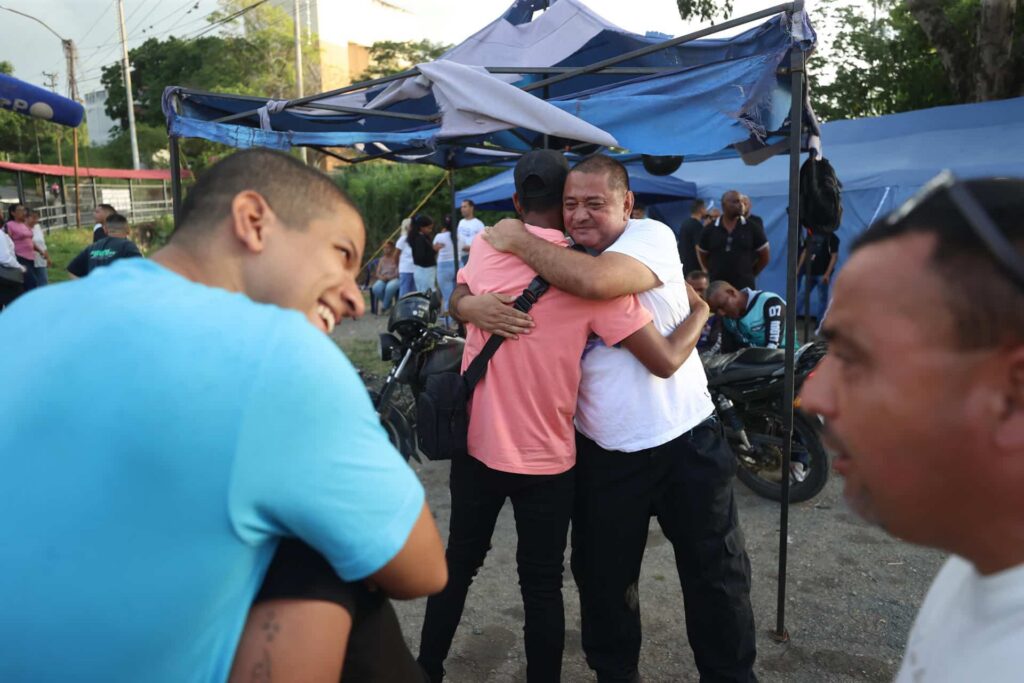
The emotional weight of these events is evident, as families await news of their loved ones. Images of reunions, such as that of Arturo Sairias embracing family members after his release from the Rodeo 1 penitentiary, serve as poignant reminders of the human cost of political conflict. The atmosphere is charged with both relief and apprehension, as the community grapples with the implications of these releases.
International Perspectives
International stakeholders, including U.S. officials, have closely monitored these developments, framing them as crucial steps toward reconciliation. Marco Rubio, a prominent U.S. senator, described the releases as a pivotal moment for Venezuelans, emphasizing the need for continued advocacy for the full liberation of all political prisoners. This perspective resonates beyond borders, highlighting the global significance of Venezuela’s political situation.
The Road Ahead
As the narrative unfolds, the call for transparency remains paramount. The government, while announcing that a total of 1,046 prisoners have been released since January, has not provided specifics regarding the timing or identities of these individuals. This omission has raised further questions from both local and international observers about the true nature of these releases and the broader implications for human rights in Venezuela.
The struggle for clarity in this complex political landscape reflects a yearning for justice and accountability. As the situation evolves, the demand for a transparent process regarding political prisoners resonates across Venezuela, embodying the hope for a future grounded in democratic values and respect for human rights.
Editorial note: This article was created by A Bit Lavish Miami’s Magazine as an original editorial reinterpretation based on publicly available reporting. Original source: efectococuyo.com. Read the original article here: https://efectococuyo.com/la-humanidad/pj-pide-a-miraflores-publicar-lista-con-nombres-de-excarcelados/.
Images are used for editorial reference with source credit. If an image requires correction or removal, please contact A Bit Lavish.




Rising Tensions: The ELN and Colombia’s New Leadership
Explore the escalating conflict between Colombia's ELN guerrilla group and the newly...
 2 Mins read
The Troubling Case of Roland González: Health Concerns Amidst Venezuelan Detention
Explore the alarming health crisis of Roland González, a detainee embroiled in...
2 Mins read
The Call for Transparency in Venezuela’s Political Prisoner Releases
Dinorah Figuera, head of the opposition delegation, seeks clarity on the recently...
2 Mins read


Reimagining Minimum Wage: A Call to Action as Schools Prepare to Reopen
As the new school year looms, the conversation around minimum wage in...
2 Mins read

Leave a comment