
Rising Tensions: The ELN and Colombia’s New Leadership
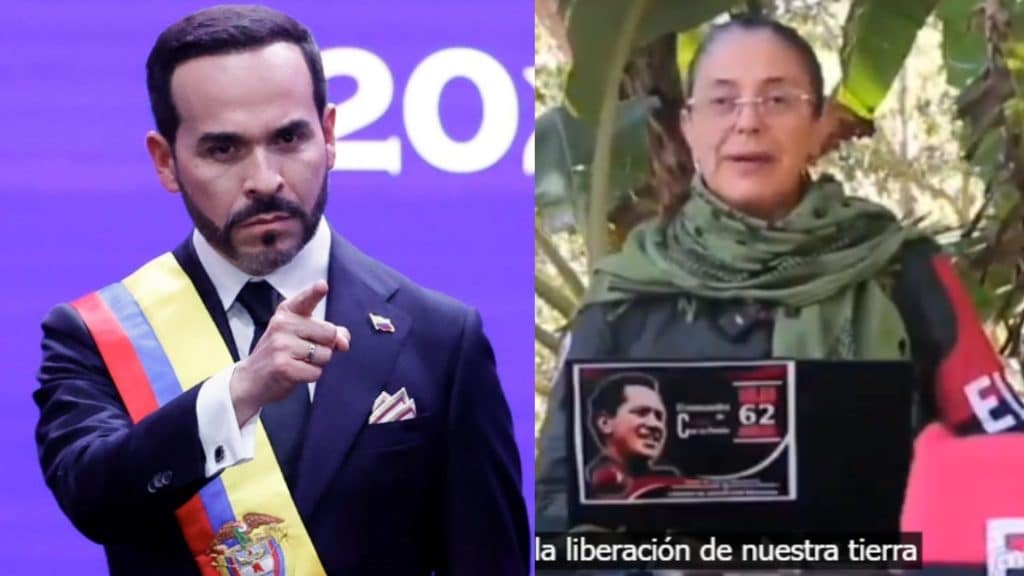
A New Era of Confrontation
The political landscape in Colombia is shifting dramatically as the newly inaugurated president, Abelardo de La Espriella, adopts a hardline stance against armed groups, particularly the Ejército de Liberación Nacional (ELN). Just days into his presidency, de La Espriella launched a military operation in the Catatumbo region, a known stronghold for the ELN and other guerrilla factions. This decisive action has set the stage for heightened tensions and conflict.
The ELN’s Defiance
In a striking public address, Silvana Guerrero, the commander of the ELN, has made it clear that her organization will not back down. She warned the new administration that the ELN is prepared to continue its fight, regardless of military initiatives. This declaration follows a significant military operation that unearthed weapons and communication equipment in the ELN’s operational zones, signaling a serious escalation of hostilities.
A Historical Perspective
De La Espriella’s military approach is rooted in lessons learned from Colombia’s tumultuous history with guerrilla warfare. He has openly declared that the option for dialogue has been exhausted, insisting that the only paths available are surrender or confrontation. This perspective aligns with a long-standing belief that strong governmental support for military forces is essential in reducing violence and restoring order.
Drone Warfare: A New Battleground
The conflict has recently taken a dangerous turn with the introduction of drone warfare. The ELN has started to utilize drones equipped with explosives, leading to tragic consequences for Colombian soldiers and civilians alike. In a recent attack, a soldier lost his life, and several others were injured when drones targeted their unit in the Catatumbo area. This incident marks a significant increase in the use of unmanned aerial vehicles as tools of war, raising alarms over the safety of military personnel and communities caught in the crossfire.
Strategic Implications for the Region
The ongoing conflict underscores the complex dynamics at play in the Catatumbo region, where narcotics trafficking and armed groups vie for control. The ELN and dissident factions from the former FARC are competing for dominance over lucrative coca cultivation and trafficking routes. As violence escalates, the potential for civilian casualties grows, necessitating a robust response from the Colombian state.
Miami’s Connection to Colombian Affairs
For Miami, a city with deep ties to Colombia, the repercussions of this conflict resonate on multiple levels. The influx of Colombian immigrants and the business community’s investment in the region illustrate an intricate relationship that extends beyond mere geography. As Colombia grapples with renewed violence and political strife, Miami’s residents are undoubtedly affected by the shifting tides of power and stability in their home country.
A Call for Resolution
As tensions mount between the ELN and the Colombian government, the international community watches closely. The challenge lies not only in addressing the immediate threats posed by armed groups but also in finding a long-term solution to Colombia’s enduring struggles with violence and instability. Engaging in dialogue—despite the current rhetoric—may still hold the key to a peaceful resolution that benefits not only Colombia but also its diaspora, including the vibrant communities in Miami.
Editorial note: This article was created by A Bit Lavish Miami’s Magazine as an original editorial reinterpretation based on publicly available reporting. Original source: efectococuyo.com. Read the original article here: https://efectococuyo.com/internacionales/se-incrementa-la-tension-entre-el-eln-y-gobierno-de-de-la-espriella/.
Images are used for editorial reference with source credit. If an image requires correction or removal, please contact A Bit Lavish.








The Troubling Case of Roland González: Health Concerns Amidst Venezuelan Detention
Explore the alarming health crisis of Roland González, a detainee embroiled in...
 2 Mins read
The Call for Transparency in Venezuela’s Political Prisoner Releases
Dinorah Figuera, head of the opposition delegation, seeks clarity on the recently...
2 Mins read
Reimagining Minimum Wage: A Call to Action as Schools Prepare to Reopen
As the new school year looms, the conversation around minimum wage in...
2 Mins read


Navigating Venezuela’s Complex Political Landscape: Who Truly Benefits?
Explore the intricate dynamics of Venezuela's political negotiations and their implications for...
3 Mins read

Leave a comment