
The Landscape of Economic Discussion
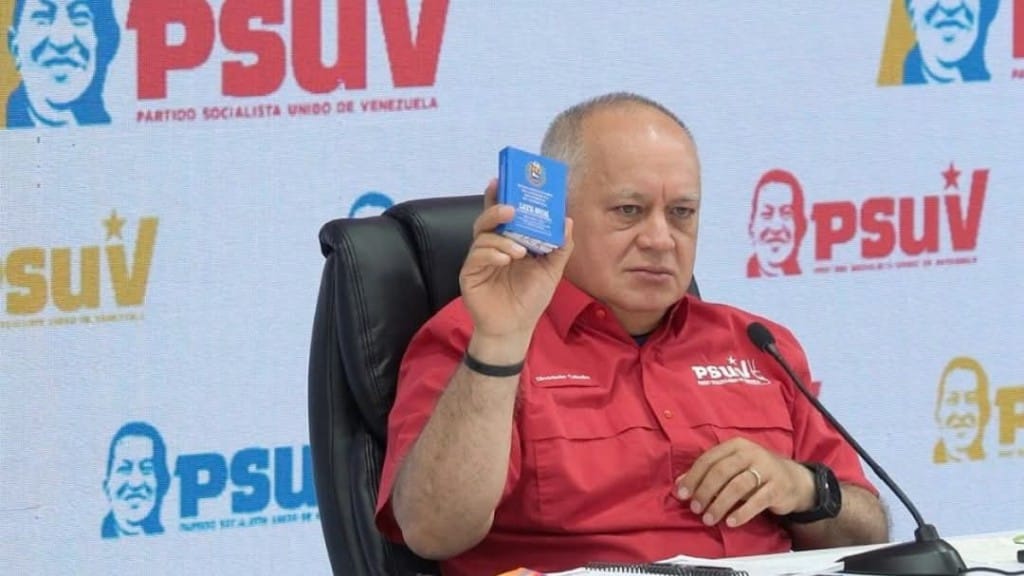
In the ever-evolving political and economic landscape of Venezuela, discussions surrounding the country’s currency and economic policies have taken center stage. Recently, Diosdado Cabello, the Secretary General of the United Socialist Party of Venezuela (PSUV), addressed the contentious proposal for dollarization put forth by National Assembly member Antonio Ecarri. Cabello’s remarks were laden with a respect for institutional processes, yet a clear dismissal of the dollarization initiative.
The Stance on Dollarization
During a press conference with state media, Cabello emphasized the importance of adhering to the Venezuelan Constitution as the guiding principle for economic decisions. He noted, “We maintain respect for the decisions made by the National Assembly,” while simultaneously critiquing Ecarri’s proposal as lacking significance. This reflects a broader strategy to maintain control over economic narratives within the country.
The Parliamentary Dynamics
Cabello’s comments came in the wake of Ecarri’s disciplinary actions within the Assembly, which included his removal from the presidency of the Venezuela-United States Friendship Group. This was a direct consequence of Ecarri’s attempt to associate the Parliament with a dollarization proposal, allegedly with the guidance of U.S. economist Steve Hanke. Ecarri, however, contended that his proposal was made in an individual capacity, highlighting the often tumultuous and factional nature of Venezuelan politics.
A Call for Unity Amidst Political Turbulence
In a broader context, Cabello’s remarks resonate with ongoing efforts to consolidate political unity within the PSUV. He urged party members to stay organized and engaged, especially with impending community consultations aimed at enhancing civic participation. “We will not demand any political affiliation,” he affirmed, promoting inclusivity in the decision-making process as a way to bolster grassroots engagement.
The Role of Community Engagement
As part of an initiative to increase participation in community projects, the PSUV aims to involve residential associations in forthcoming consultations. This strategy underscores a recognition of the need for local voices in governance, allowing neighborhoods to propose and prioritize projects that affect their daily lives. Cabello’s approach reflects a pragmatic understanding of the importance of local governance in enhancing political legitimacy.
Looking Ahead: A Political Forecast
Amidst these political machinations, Cabello’s comments hint at a broader awareness of the uncertain future that lies ahead for Venezuela. With political elections looming in 2026, he humorously remarked on the unpredictability of the political climate, suggesting the need for vigilance and preparedness among party members. The implications of such statements resonate deeply in a society where economic and political stability are in constant flux.
Ultimately, Cabello’s position not only reinforces the PSUV’s commitment to its ideological foundation but also illustrates the intricate interplay between governance, economic policy, and community engagement in contemporary Venezuela. As the nation grapples with these challenges, the discourse on dollarization and economic reform will undoubtedly continue to provoke debate and shape the future of Venezuelan society.
Editorial note: This article was created by A Bit Lavish Miami’s Magazine as an original editorial reinterpretation based on publicly available reporting. Original source: efectococuyo.com. Read the original article here: https://efectococuyo.com/politica/diosdado-cabello-llama-a-no-dar-volumen-a-propuesta-de-dolarizacion/.
Images are used for editorial reference with source credit. If an image requires correction or removal, please contact A Bit Lavish.






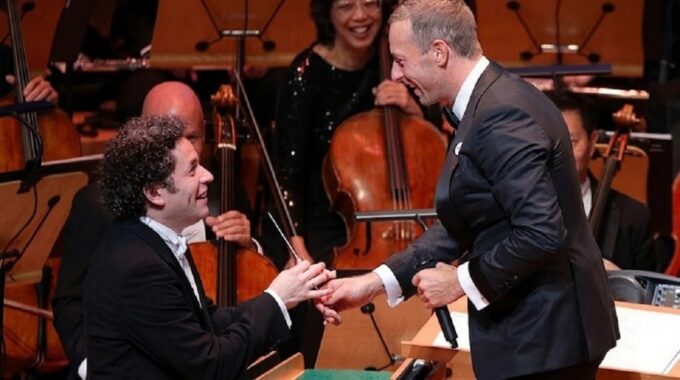
A Maestro’s Farewell: Celebrating Gustavo Dudamel’s Legacy with LA Phil
Gustavo Dudamel bids farewell to the Los Angeles Philharmonic, marking a transformative...
 ABL2 Mins read
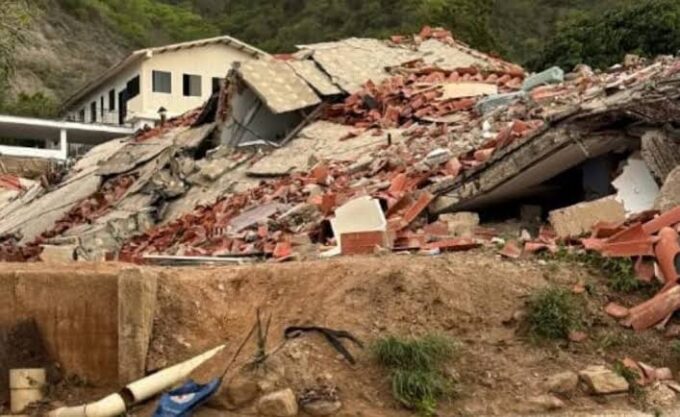
A Cry for Justice: Families Demand Answers Amid Tragedy in Venezuela
In the wake of a devastating earthquake, families of deported Venezuelans seek...
ABL2 Mins read
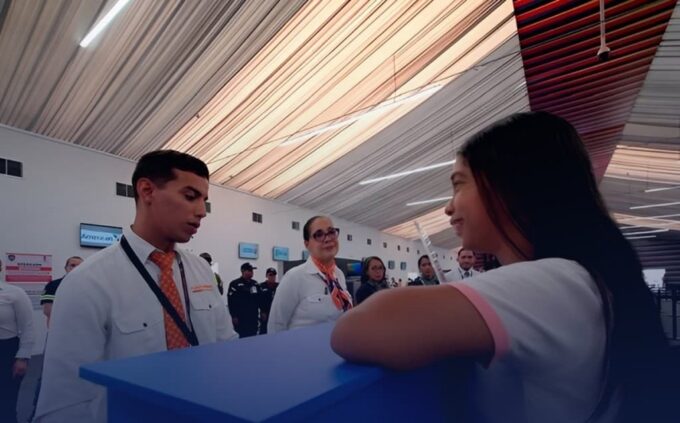
Navigating Uncertainty: The Delayed Resumption of Flights in Maiquetía
Explore the recent delays affecting the Maiquetía International Airport and its implications...
ABL2 Mins read


Navigating Immigration Challenges: Colombia’s New Approach to Migrant Regulation
Colombia's President Abelardo de la Espriella enacts measures targeting irregular migrants and...
ABL2 Mins read

Leave a comment