
Unveiling Shadows: The Intricate Dance of Art, Identity, and Surveillance
 ABLUpdated 1 hour Ago3 Mins read5

Art as Resistance: A Personal Narrative
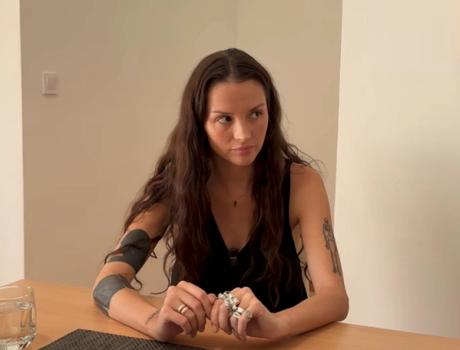
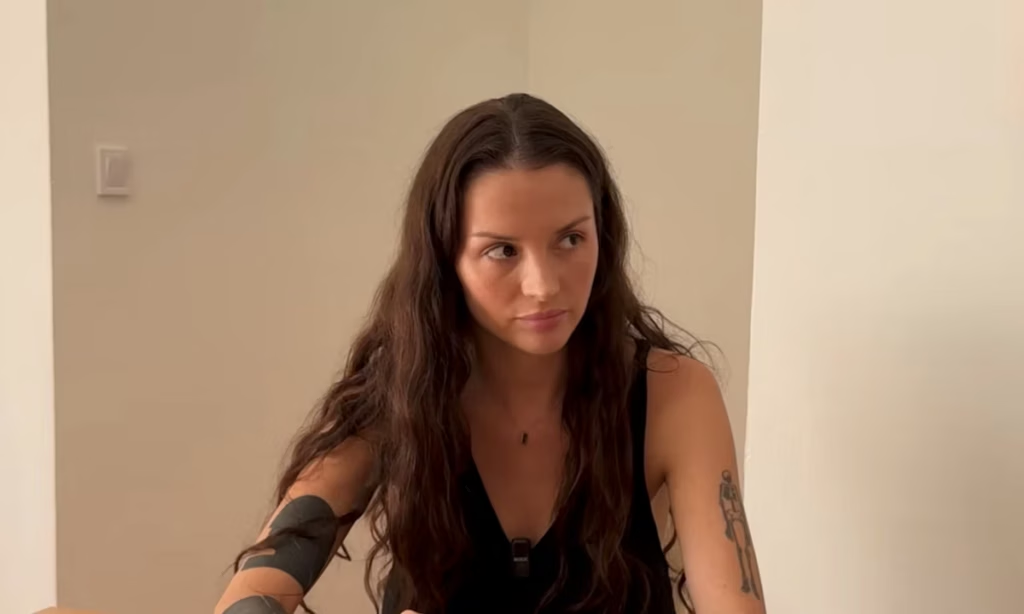
The realm of art has long served as a powerful platform for dissent, a canvas where the strokes of rebellion and freedom intertwine. Within this evocative space, Rita Flores — a former member of the renowned feminist punk rock band Pussy Riot — presents a haunting tale that transcends mere performance. In a recent video interview, she unveils a chilling narrative of coercion and fear at the hands of the Russian security service, the FSB. Her revelations not only capture the perilous existence of artists operating under oppressive regimes but also highlight the profound implications such experiences have on the authenticity of artistic expression.
The Weight of Coercion
Flores’s narrative sheds light on the often invisible pressures that artists face when their work challenges the status quo. She recounts feeling the icy grip of surveillance and intimidation, revealing that she was allegedly approached by FSB agents who sought to enlist her as a spy against fellow dissident artists. Such tactics are not merely about gathering intelligence; they are a strategic assault on the very fabric of creative freedom.
This intersection of art and state power raises critical questions about the integrity of artistic voices. When artists become pawns in a game of political espionage, the authenticity of their work can become compromised, leaving collectors and audiences to ponder the provenance of such pieces. In an environment where fear silences creativity, how does one discern the genuine from the coerced?
The Artist’s Legacy: A Tapestry of Resistance
Rita Flores’s journey is emblematic of a broader narrative that extends beyond individual experiences. As a member of Pussy Riot, she participated in performances that boldly critiqued the Russian government and its policies, using art as a vehicle for societal transformation. This legacy of resistance has not only solidified her status within the art community but has also opened dialogues about the role of artists as both creators and activists.
In Miami, a city that thrives on cultural diversity and artistic expression, such stories resonate deeply. The local art scene is enriched by narratives of resilience and dissent, creating a sense of solidarity among artists who seek to challenge societal norms. As collectors engage with works born from such tumultuous experiences, they contribute to a larger conversation about the importance of supporting artists who risk their lives for the sake of expression.
Rarity and Market Significance
In a world where the intersection of art and politics becomes increasingly complex, the market for works tied to narratives of resistance takes on new significance. Pieces that emerge from artists like Flores carry a unique rarity, imbued with the weight of their history and the potential for broader social impact. Collectors are not merely acquiring art; they become custodians of stories that reflect courage and defiance.
As the global art market continues to evolve, the demand for works with provenance rooted in significant socio-political contexts is on the rise. The allure of owning a piece that represents not only aesthetic beauty but also a rich narrative of struggle and triumph is undeniable. In this light, Rita Flores’s experiences transform her art into a commodity of cultural importance, inviting collectors to engage with the ethical dimensions of their acquisitions.
Reflections on Identity and Artistic Integrity
Flores’s account compels us to reflect on the nature of identity in the artistic realm. When faced with threats from powerful entities, how do artists navigate their creative processes while maintaining their integrity? The psychological toll of such experiences can be immense, often leading to a profound reevaluation of one’s art and its purpose.
For collectors and admirers of art, the stories behind the work become as significant as the works themselves. Understanding the emotional landscapes that inform an artist’s practice enriches the connection between the collector and the piece. In an era where art is increasingly seen as an investment, the value attributed to the emotional and political narratives tied to a work of art can elevate its status beyond mere aesthetics.
A Call to Action: Supporting Artistic Freedom
As we engage with the stories of artists like Rita Flores, we are reminded of the critical importance of advocating for artistic freedom and supporting those who dare to speak truth to power. The narratives we choose to uplift shape the landscape of the art world and influence future generations of artists. In a global community where surveillance and oppression still loom, the act of collecting becomes not just a pursuit of beauty but also a stand for justice and creativity.
In Miami, a city pulsating with artistic fervor, the role of the collector is more vital than ever. By embracing works that emerge from stories of resilience, collectors can contribute to a vibrant dialogue about the power of art as a form of resistance, ensuring that the legacies of courageous artists like Rita Flores continue to inspire and challenge societal norms.
Editorial note: This article was created by A Bit Lavish Miami’s Magazine as an original editorial reinterpretation based on publicly available reporting. Original source: theartnewspaper.com. Read the original article here: https://www.theartnewspaper.com/2026/08/24/pussy-riot-rita-flores-margarita-konovalova-fsb-spying-pressure.
Images are used for editorial reference with source credit. If an image requires correction or removal, please contact A Bit Lavish.







Ruth Mackenzie: A Visionary Leader Transforming Cultural Institutions
Explore the impactful journey of Ruth Mackenzie as she takes the helm...
ABL2 Mins read
Navigating the Art World: Safeguarding Your Creations and Collections Amidst Gallery Instability
Explore the intricacies of artist rights and collector responsibilities in the volatile...
 2 Mins read

Illuminating Creativity: The Rebirth of Durham’s Art Scene
Explore the newly reopened Light in Durham, showcasing stunning light-themed works by...
3 Mins read



Unveiling the Shadows: The Disappearance of Indigenous Art in Canada
Exploring the mystery behind 111 unaccounted works from Canada's Indigenous Art Centre...
2 Mins read

Leave a comment