
A New Wave of Dissent
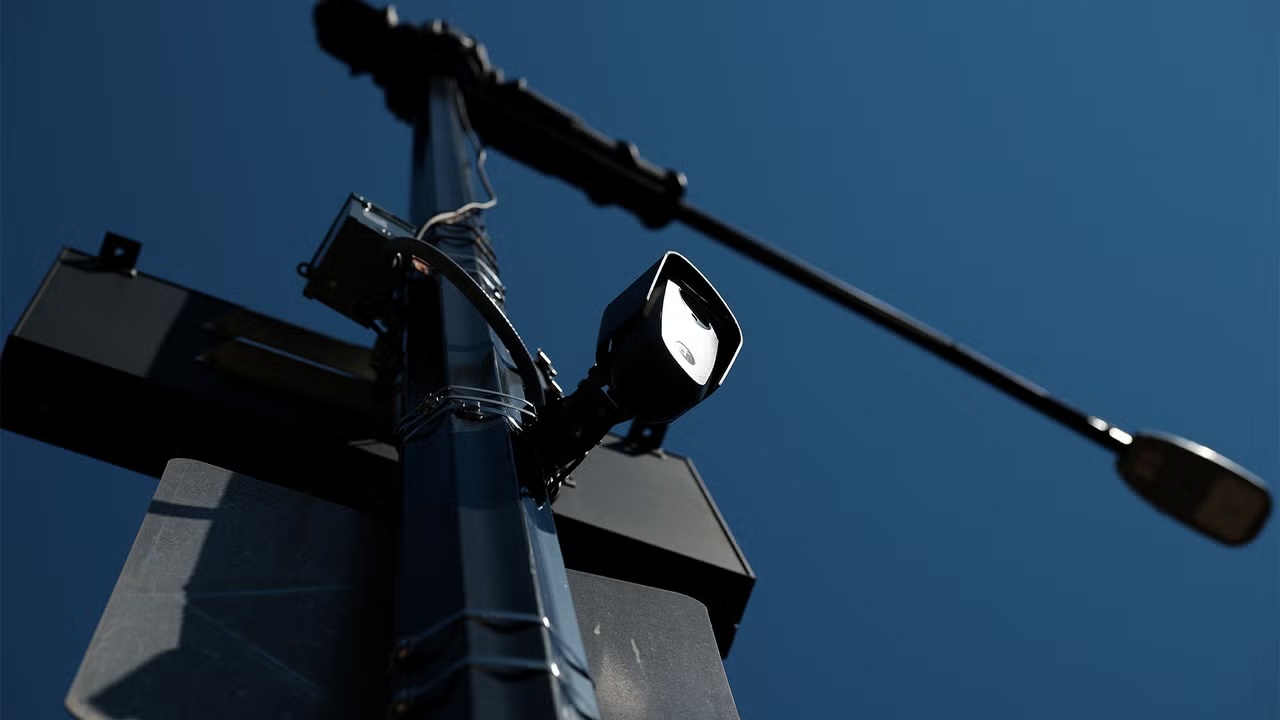
In an era characterized by technological advancements and increasing surveillance, the backlash against companies like Flock Safety has reached unprecedented levels of creativity and intensity. Flock, an Atlanta-based firm known for its extensive network of automated cameras that capture license plate data, has become a focal point of public concern regarding privacy and mass surveillance. As communities express their discontent, the protests have evolved into a vibrant form of artistic resistance.
From Surveillance to Artistic Expression
Across the United States, a growing number of individuals and groups are employing art, social media, and direct action to voice their opposition to Flock’s technology. The phenomenon, dubbed the “Flocklash,” has sparked a wave of creative protest that ranges from humorous to poignant. Notably, Brendan North, a photographer, has been at the forefront of this movement, creating protest art that resonates with a broad audience. His videos, which showcase actions such as reflecting a mirror at Flock cameras and adorning them with balloons, have garnered millions of views online, highlighting the power of visual art in activism.
The Stakes of Surveillance Technology
The concerns surrounding Flock extend beyond mere inconvenience; they tap into deeper societal fears regarding privacy, data security, and the implications of surveillance on civil liberties. Flock’s technology has been criticized for its potential misuse, especially in relation to immigration enforcement and unauthorized tracking. This anxiety is mirrored in cities across the nation, where over 50 jurisdictions have recently canceled or suspended contracts with Flock, reflecting a significant shift in public sentiment.
Creative Resistance Takes Center Stage
Recent protests have illustrated the innovative ways in which communities are responding to surveillance. For instance, during a public safety committee meeting in San Diego, an unidentified individual donned a Darth Vader costume to mockingly advocate for Flock’s technologies, prompting discussions around the ethical implications of such surveillance systems. In another instance, Benn Jordan, a data scientist and producer, staged a counter-surveillance operation outside Flock’s annual conference, employing a van equipped with surveillance tools to critique the very systems Flock promotes. These actions not only highlight the creativity inherent in modern protest but also serve to engage a wider audience in dialogue about the implications of surveillance technology.
Community Action and the Fight for Privacy
The protests are not limited to artistic expressions; they are also grounded in community activism. Groups like The Sunrise Movement have taken direct action against individuals and entities promoting surveillance technologies. Recently, they organized a demonstration outside the residence of Chris Larsen, a billionaire associated with the installation of private surveillance cameras in San Francisco. With slogans questioning the effectiveness of surveillance in ensuring safety, these activists are making a significant statement about the balance between security and privacy, challenging the notion that increased surveillance equates to a safer society.
The Future of Surveillance and Community Dynamics
As companies like Flock navigate this landscape of increasing scrutiny, their leaders are faced with difficult questions about the balance between safety and privacy. Garrett Langley, Flock’s founder, has called for a national compromise on surveillance technologies, suggesting a need to find common ground that respects individual privacy while addressing safety concerns. However, the growing resistance from communities suggests that the dialogue around surveillance is shifting, and that companies will need to adapt to the evolving expectations of the public.
Miami’s Role in the Conversation
In Miami, where diversity and innovation converge, the conversation around surveillance and privacy is particularly relevant. As a city that thrives on cultural expression, Miami’s residents are well-positioned to engage with these issues through creative activism. With its vibrant arts scene and active community organizations, Miami can serve as a microcosm of the national dialogue, highlighting the unique interplay between technology, art, and civil rights. As the Flocklash continues to unfold, it is clear that the fight for privacy and ethical technology is far from over, and Miami stands at the forefront of this critical conversation.
Editorial note: This article was created by A Bit Lavish Miami’s Magazine as an original editorial reinterpretation based on publicly available reporting. Original source: fastcompany.com. Read the original article here: https://www.fastcompany.com/91594793/flock-backlash-camera-surveillance-protests-grow-louder.
Images are used for editorial reference with source credit. If an image requires correction or removal, please contact A Bit Lavish.









Aura Farming: The New Cultural Phenomenon Engaging Latin America’s Youth
Explore the rise of aura farming battles in Latin America, where youth...
 ABL3 Mins read
Navigating the Shifting Sands of the Housing Market: A Deep Dive into Current Trends
Exploring the evolving landscape of the housing market, with a focus on...
ABL3 Mins read
The Unfolding Narrative of Meta’s Smart Glasses: Innovation Amid Controversy
Explore the intricate relationship between Meta's smart glasses and the broader vision...
ABL3 Mins read



The Crypto Renaissance: What Bitcoin’s Resurgence Means for Investors
Explore the recent rally in cryptocurrency, its historical context, and what influential...
ABL3 Mins read

Leave a comment