
Supreme Court Upholds Mail Ballot Regulations Ahead of 2026 Elections
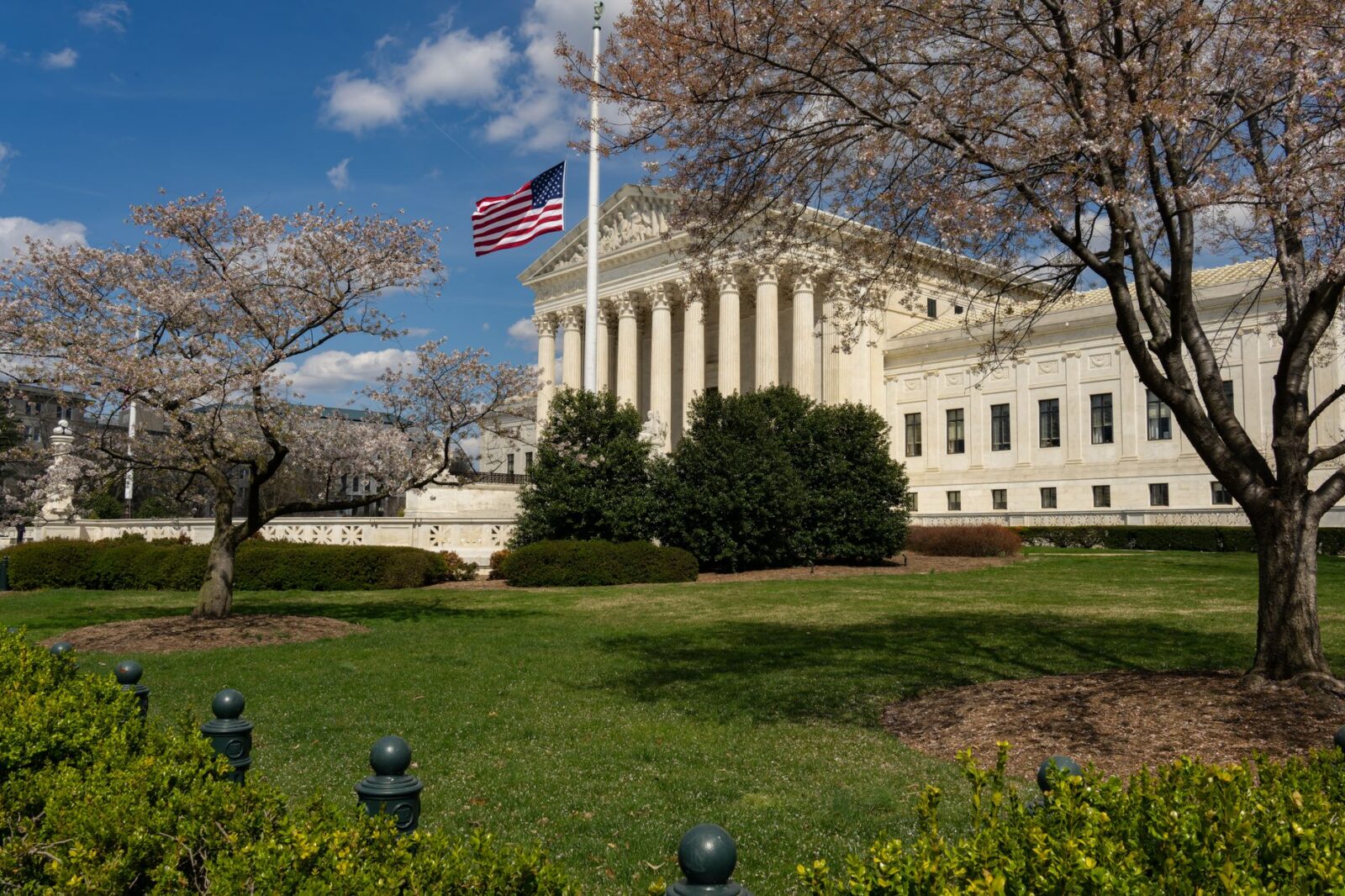
On August 26, 2026, the Supreme Court of the United States issued a pivotal ruling affirming the legality of certain mail ballot regulations imposed by several states. This decision comes as the nation gears up for the upcoming midterm elections, where mail-in voting is expected to play a significant role in voter participation. The court’s ruling specifically addresses the contention surrounding the balance between state authority over election procedures and the rights of voters to access mail-in ballots.
The ruling affects key states such as Georgia, Arizona, and Pennsylvania, where legislatures have enacted laws that impose stricter requirements on mail-in voting, including identity verification and deadlines for ballot submission. These laws have faced challenges from various civil rights organizations, which argue that they disproportionately affect minority voters. The Supreme Court’s decision is seen as a major win for states seeking to enforce tighter controls on mail-in voting.
This ruling is receiving heightened attention due to the upcoming midterm elections, during which mail-in voting is anticipated to be a critical factor in determining voter turnout amidst ongoing debates about election integrity and security. The implications of this ruling could influence how states approach mail ballots in the future, setting precedents for further legislative changes.
Looking ahead, the ruling may prompt additional legal challenges from advocacy groups and potentially lead to further legislative actions in various states. The ongoing discourse surrounding mail-in voting and election laws will likely remain a focal point in political debates leading up to the elections, with potential ramifications for voter turnout and party strategies.
Source: The Hill









UN Calls for Immediate Regulations on Autonomous Weapons
The UN urges global leaders to establish regulations on autonomous weapons amid...
 1 Mins read

UN and Red Cross Urge Immediate Legislation Against Autonomous Weapons
Urgent calls for regulation of lethal autonomous weapons highlight global concerns over...
1 Mins read

India Responds to UN Rights Panel’s Criticism with Strong Rebuttal
India's firm rebuttal to UN allegations underscores its stance on sovereignty and...
1 Mins read



Slovenia Challenges EU’s Stance on Israel’s West Bank E1 Settlement Plan
Slovenia's position raises significant questions about EU unity on Middle Eastern policies...
1 Mins read

Leave a comment