
Hawaii Supreme Court Deliberates on Tommy Waters’ Eligibility for Office
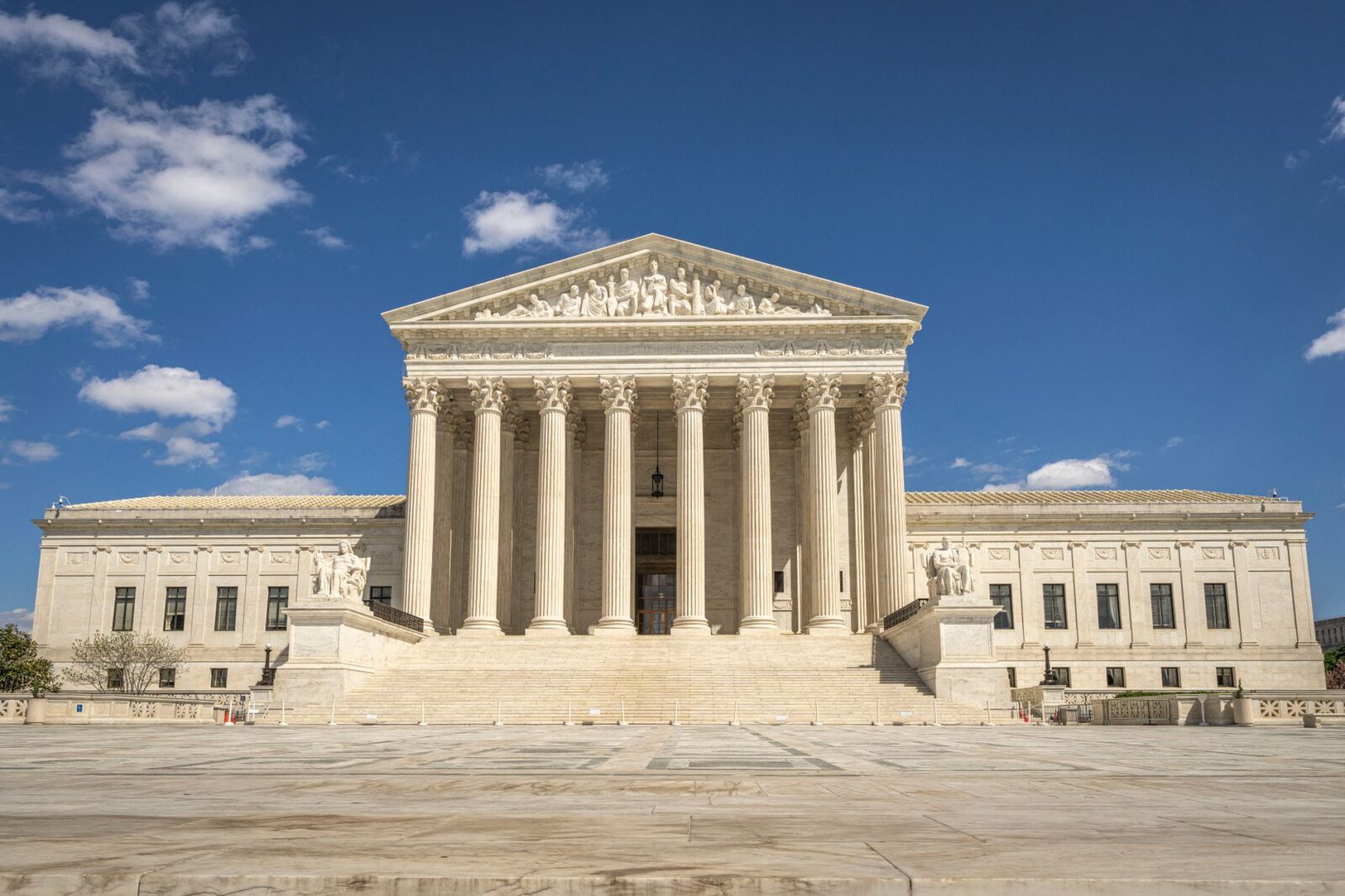
On August 26, 2026, the Hawaii Supreme Court convened to hear arguments regarding the eligibility of Tommy Waters, a prominent political figure in Honolulu, to continue serving in his elected position. This case has drawn considerable attention not only within the state but also nationally, as it addresses critical questions about the interpretation of electoral laws and qualifications for officeholders.
Tommy Waters, who has served as a member of the Honolulu City Council, is at the center of this legal dispute, which stems from allegations concerning his residency status and compliance with state electoral regulations. The court’s deliberations are focused on whether Waters meets the constitutional requirements to hold office, following claims that he may not have maintained the necessary residency in his district.
The implications of this case are profound, as the Hawaii Supreme Court’s ruling could influence how residency and eligibility are defined in electoral law not just in Hawaii, but potentially across the United States. Legal experts and political analysts are closely monitoring the situation, recognizing that a precedent could emerge that shapes future elections and the standards applied to candidates’ qualifications.
Looking ahead, the court is expected to issue its ruling within the coming weeks. This decision will not only affect Waters’ political future but may also prompt a reevaluation of residency requirements for public office nationwide, igniting discussions about the integrity of electoral processes and the accountability of elected officials.
Source: Honolulu Star-Advertiser








UN Calls for Immediate Regulations on Autonomous Weapons
The UN urges global leaders to establish regulations on autonomous weapons amid...
 1 Mins read

UN and Red Cross Urge Immediate Legislation Against Autonomous Weapons
Urgent calls for regulation of lethal autonomous weapons highlight global concerns over...
1 Mins read
India Responds to UN Rights Panel’s Criticism with Strong Rebuttal
India's firm rebuttal to UN allegations underscores its stance on sovereignty and...
1 Mins read



Slovenia Challenges EU’s Stance on Israel’s West Bank E1 Settlement Plan
Slovenia's position raises significant questions about EU unity on Middle Eastern policies...
1 Mins read

Leave a comment