
Buffalo Wild Wings: A Strategic Shift Amidst Restaurant Closures
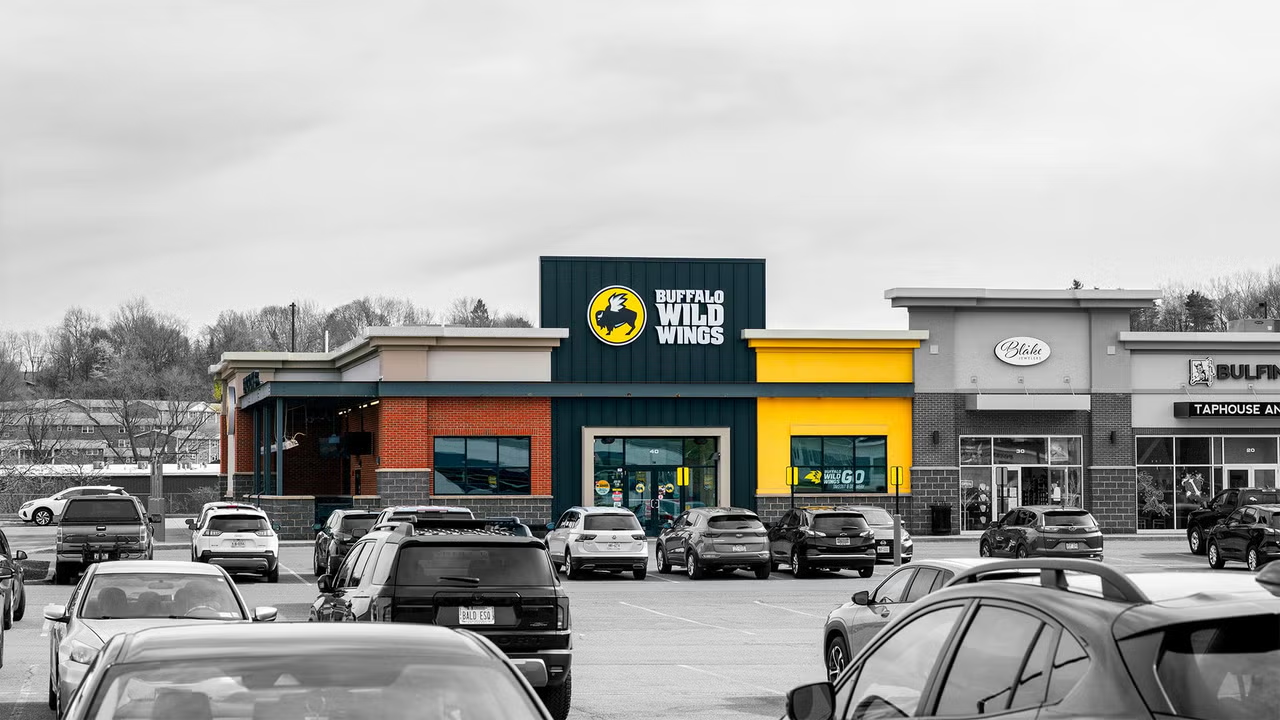
A New Chapter for Buffalo Wild Wings
The landscape of casual dining is rapidly changing, and Buffalo Wild Wings is at the forefront of this evolution. With plans to close several locations across the United States by 2026, the iconic sports bar chain is making strategic adjustments that reflect broader trends in the restaurant industry. Founded in 1982, Buffalo Wild Wings has grown into a household name, renowned for its lively atmosphere and diverse menu. However, the recent decision to shutter certain restaurants signals a shift in focus towards a more sustainable and adaptable business model.
Understanding the Market Dynamics
The closures, which affect a variety of locations from Michigan to California, are indicative of ongoing challenges facing the restaurant sector. Economic constraints, such as rising costs and changing consumer behaviors, have prompted Buffalo Wild Wings to reassess its operational footprint. As manager Paul Creely noted, patrons are increasingly discerning about their dining expenditures, necessitating a reevaluation of how and where the brand serves its customers.
Strategic Recalibration
Buffalo Wild Wings is not retreating from the market; rather, it is recalibrating its strategy. The closures primarily target underperforming locations while the company simultaneously leans into more profitable models, such as enhancing takeout options and expanding franchise opportunities. This calculated approach is designed to fortify the brand’s presence in thriving markets while shedding the weight of less successful ventures.
Franchising and Adaptability
Inspire Brands, the powerhouse behind Buffalo Wild Wings, Dunkin’, and Arby’s, acquired the chain in a $2.9 billion deal in 2018. Since then, the focus has been on fostering innovation and flexibility within the brand’s operations. The shift towards franchising is particularly noteworthy, as it allows for localized ownership and a tailored customer experience. This model not only mitigates risk but also enhances the brand’s ability to respond swiftly to market demands.
Miami’s Restaurant Scene: A Reflection
As a vibrant hub for culinary diversity and innovation, Miami serves as an intriguing backdrop for Buffalo Wild Wings’ strategic transformation. The city’s dynamic dining landscape reflects a growing inclination towards experiential eating and convenience, a trend that Buffalo Wild Wings appears to embrace. Local establishments that prioritize takeout and delivery are thriving, and Buffalo Wild Wings’ move towards these formats aligns well with the preferences of Miami’s residents.
The Road Ahead
While Buffalo Wild Wings faces scrutiny over its closures, the company is poised for a resilient future. The focus on strategic adaptation, coupled with the backing of Inspire Brands, positions the chain to not only survive but thrive in an increasingly competitive marketplace. As the restaurant industry continues to evolve, Buffalo Wild Wings stands as a testament to the power of innovation, leadership, and adaptability in navigating change.
Editorial note: This article was created by A Bit Lavish Miami’s Magazine as an original editorial reinterpretation based on publicly available reporting. Original source: fastcompany.com. Read the original article here: https://www.fastcompany.com/91597709/buffalo-wild-wings-closing-stores-list-2026.
Images are used for editorial reference with source credit. If an image requires correction or removal, please contact A Bit Lavish.










A New Wave of Disruption: The Digital Camouflage Shirt and the Future of Adversarial Fashion
Explore how Simon Weckert's Digital Camouflage shirt challenges AI surveillance systems and...
 2 Mins read

Navigating the AI Landscape: Understanding Proprietary, Open Weight, and Open Source Models
Explore the distinctions between proprietary, open weight, and open source AI models,...
3 Mins read

A Disruption in the Fairway: Analyzing the Good Good and Callaway Golf Controversy
Explore the recent fallout between Good Good and Callaway Golf, and what...
3 Mins read



Deloitte’s $21.5 Million Settlement: A Cautionary Tale for Corporate DEI Strategies
Deloitte's settlement with the Justice Department highlights the shifting landscape of corporate...
3 Mins read

Leave a comment