
Supreme Court Dismisses Challenge to Government School Entry Restrictions
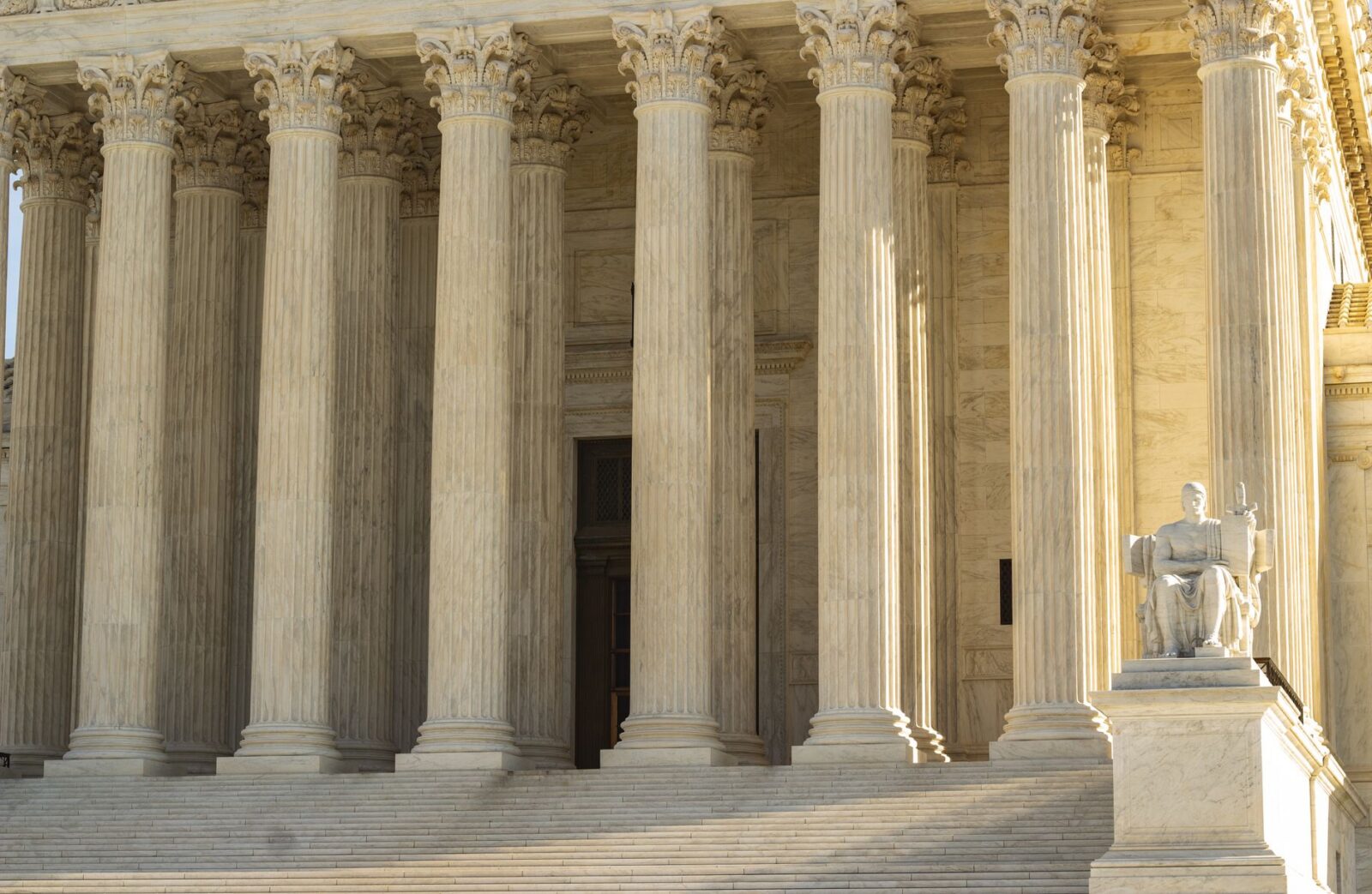
On September 3, 2026, the Supreme Court of India dismissed a plea that challenged restrictions on entry to government schools, a ruling that underscores the ongoing tensions between judicial oversight and educational governance. The decision comes at a critical juncture as the Chief Justice of India (CJI) is engaged in a high-profile campaign to reform the judiciary, raising significant questions about the role of education in democratic society.
The plea was brought forth by a group of parents who argued that the restrictions imposed on government school admissions disproportionately affected underprivileged children, thereby violating their right to education as enshrined in Article 21A of the Indian Constitution. The Supreme Court, however, ruled that the regulations were necessary to maintain standards and discipline within government schools, a decision that reflects the court’s commitment to uphold institutional integrity.
This ruling is garnering attention now due to its implications for educational access in India, where millions of children rely on government schools for their education. The decision could exacerbate existing inequalities in the educational system, particularly for economically disadvantaged groups who may not have the means to seek alternatives. Furthermore, it arrives amidst a broader discourse on judicial reform and the balance of power between the judiciary and legislative bodies in India.
Looking ahead, the ruling may prompt further discussions and potential legislative actions aimed at addressing the concerns raised by the petitioners. Advocacy groups may mobilize to challenge the decision through public campaigns or seek legislative amendments to ensure equitable access to education. Additionally, the implications of this case could lead to increased scrutiny of educational policies at both state and national levels, influencing future judicial decisions.
Source: Live Law






West Virginia Justice Wooten Treated for Dehydration, Released from Hospital
Justice Wooten's health incident raises concerns about judicial wellness and institutional support...
 1 Mins read
Indiana Court Issues Temporary Halt on Senate Primary Ballots Amid Recount Decision
A court's decision to pause Indiana Senate primary ballots highlights the ongoing...
1 Mins read
Iowa PBS Schedules U.S. Senate Debate Between Hinson and Turek for October 7
The upcoming debate highlights critical issues in Iowa's political landscape as the...
1 Mins read


Trump Critiques Own Endorsement in Texas Senate Race
Trump's recent remarks on his Senate pick underscore the unpredictable dynamics of...
1 Mins read

Leave a comment