
The New Chapter in AI: How Book Acquisitions are Reshaping Language Models
A Transformative Approach
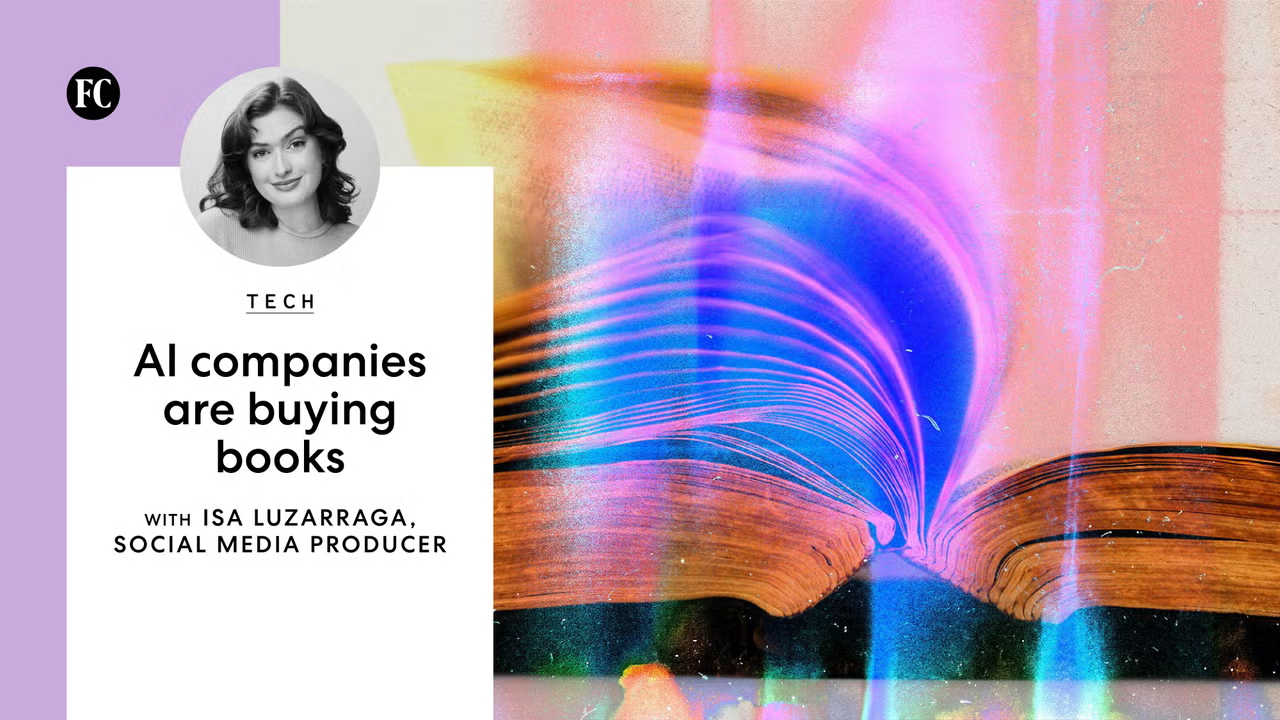
In the rapidly evolving landscape of artificial intelligence, a noteworthy trend has emerged: AI companies are increasingly turning to physical books as a resource for training their language models. This strategic shift is not just about expanding their data sets; it’s a calculated move that intertwines technology, innovation, and the evolving interpretations of copyright law.
The Intersection of AI and Literature
The decision to acquire used books is rooted in a desire to bolster the capabilities of large language models. These models require vast amounts of textual data to understand and generate human-like text. By incorporating the rich diversity of language found in physical books, AI developers aim to create more nuanced and sophisticated algorithms.
This trend raises intriguing questions about the relationship between technology and literature. In an era where digital content dominates, the tactile experience of a book is being re-evaluated. AI companies are not merely seeing books as repositories of information; they view them as vital cultural artifacts that can enhance machine learning processes.
The Legal Landscape
What makes this acquisition strategy particularly significant is the recent legal backdrop surrounding copyright. A court ruling earlier this year established that purchasing physical books for the purpose of AI training falls under the umbrella of fair use. This landmark decision has opened the floodgates for AI firms, allowing them to buy, and in some cases destroy, these volumes without infringing on copyright laws.
Such legal clarity is fundamental in a field often clouded by ambiguity regarding intellectual property. It not only legitimizes the practice but also sets a precedent that could influence how data is sourced across various sectors. The implications of this ruling extend beyond AI; they may reshape the landscape of copyright in the digital age.
A Miami Connection
In Miami, a city known for its vibrant art and cultural scene, this trend resonates deeply. The local literary community may find itself at a crossroads, where traditional publishing and new technologies intersect. Miami’s rich tapestry of multilingual literature could serve as a unique resource for AI companies seeking to diversify their training datasets.
Moreover, local authors and publishers may need to reconsider their strategies in light of these developments. As AI continues to evolve, the demand for high-quality, diverse textual data will likely grow, presenting both challenges and opportunities for Miami’s creative industries.
Innovation Through Collaboration
The book acquisition trend also hints at a future where collaboration between AI companies and traditional publishers may become essential. As AI firms seek to access literary works, partnerships could emerge that benefit both parties. Publishers might find new revenue streams while ensuring their content is used ethically and sustainably.
This potential for collaboration encourages a dialogue about the value of intellectual property in the age of AI. It prompts questions about how authorship and ownership will be defined in a world where machines increasingly generate content based on human literature.
Looking Ahead
As AI companies push the boundaries of what is possible with language models, the implications of their strategies will reverberate through multiple sectors. The acquisition of physical books is just one facet of a broader trend that reflects the intertwined nature of innovation, culture, and law.
For Miami and beyond, the conversation surrounding AI and its impact on the literary world is just beginning. As the industry evolves, so too will the ways in which we engage with literature, technology, and the very concept of creativity itself.
Editorial note: This article was created by A Bit Lavish Miami’s Magazine as an original editorial reinterpretation based on publicly available reporting. Original source: fastcompany.com. Read the original article here: https://www.fastcompany.com/91602158/why-are-ai-companies-buying-books.
Images are used for editorial reference with source credit. If an image requires correction or removal, please contact A Bit Lavish.







Guardians of Innovation: The Rising Tide of Security Workers in Silicon Valley
Explore the critical role of security workers in Silicon Valley's AI landscape...
 2 Mins read

Reassessing the Impact of Cell Phone Bans in Schools: A Miami Perspective
Explore the nuanced effects of cell phone bans in schools, with insights...
2 Mins read

Navigating the AI-Infused Entertainment Landscape: The Rise of ‘Bad Cat’
Explore the intriguing intersection of AI and nostalgia in entertainment with the...
2 Mins read



The Rise of Identity Theft in the Age of AI: Jason Isbell’s Landmark Lawsuit Against Suno
Explore the implications of Jason Isbell's lawsuit against AI music generator Suno,...
3 Mins read

Leave a comment