
Navigating the Waters: OPEC+ Stands Firm Amidst Global Turmoil
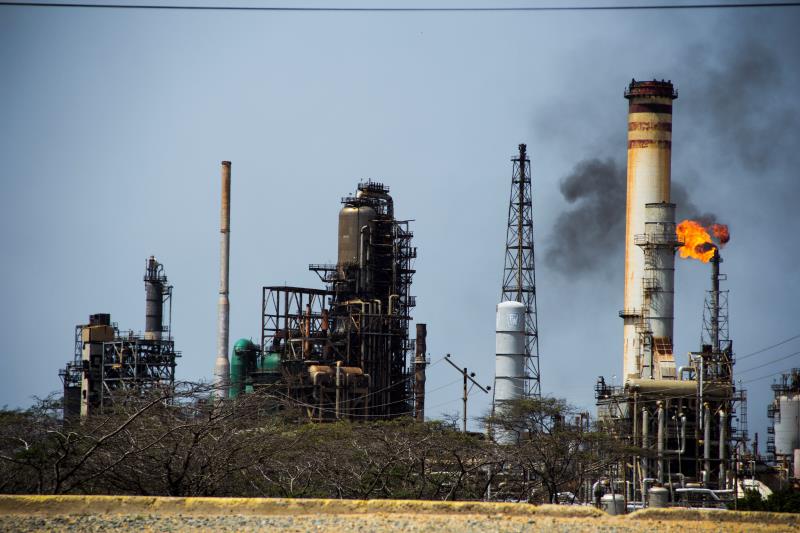
Stability in Uncertain Times
In a world where geopolitical conflicts often dictate market trends, the OPEC+ alliance, led by Saudi Arabia and Russia, has opted for a steady course in its oil production. Faced with mounting challenges, including export disruptions stemming from the ongoing conflict in Iran, the collective has decided to maintain its existing output levels for the month of October. This choice was solidified during a recent teleconference featuring key figures from several member nations, including Iraq, Kuwait, and Kazakhstan.
A Delicate Balance
For over a year, OPEC+ has been navigating a delicate balance of production cuts and strategic increases. The current decision halts a series of production boosts aimed at reversing earlier cuts that totalled 3.85 million barrels per day. This reduction was initiated to stabilize crude prices amidst fluctuating global market conditions.
Challenges Looming Ahead
Issues surrounding the Strait of Hormuz and the Red Sea have impacted the flow of oil tankers, further complicating the situation for several OPEC+ members. As the alliance grapples with these challenges, it is essential to consider the implications for all member nations. While some countries have managed to increase their extraction rates, overall production remains below pre-conflict levels. The need for a cohesive strategy becomes increasingly apparent as the alliance prepares for a crucial meeting to reassess quotas in early October.
The Venezuelan Dilemma
The future of Venezuela within OPEC+ is under scrutiny as U.S. sanctions continue to restrict much of its oil production. This uncertainty poses questions not only about Venezuela’s role in the alliance but also about the overall stability of OPEC+. The upcoming negotiations for production quotas, set to take place at the end of November, will undoubtedly weigh heavily on the minds of all member states, particularly as nations like Iraq express desires for increased shares.
Market Implications and Global Outlook
As OPEC+ navigates these turbulent waters, the impact on global oil supply remains a critical concern. The alliance’s decisions will play a pivotal role in shaping the future of energy markets, especially as the world approaches a projected demand of approximately 106 million barrels per day by 2026. The intricate dance between maintaining production levels and addressing geopolitical tensions underscores the complexities of the oil industry.
Looking Ahead
As the next OPEC+ meeting approaches, all eyes will be on how the alliance chooses to manage its production quotas. The delicate interplay between member nations, each with their own economic pressures and aspirations, will shape the outcomes of these discussions. For Miami and the wider global market, understanding these dynamics is essential as oil prices remain a significant factor influencing economic conditions.
Editorial note: This article was created by A Bit Lavish Miami’s Magazine as an original editorial reinterpretation based on publicly available reporting. Original source: efectococuyo.com. Read the original article here: https://efectococuyo.com/economia/la-opep-mantiene-su-produccion-tras-enfrentar-problemas-de-exportacion/.
Images are used for editorial reference with source credit. If an image requires correction or removal, please contact A Bit Lavish.







Cross-Border Tensions: Colombia’s Call for Action Against Guerrilla Camps in Venezuela
Colombia's Defense Minister urges the U.S. to pressure Venezuela to act against...
 2 Mins read

Negotiating Venezuela’s Transition: A Complex Balance of Power
An in-depth exploration of the intricate negotiations shaping Venezuela's political transition, emphasizing...
2 Mins read

Venezuelan Women: Pioneers of Change and Resilience
Explore the pivotal role of Venezuelan women in the socio-political landscape and...
2 Mins read


Navigating New Waters: The Evolving Landscape of Venezuelan Asylum Seekers in the U.S.
Explore the recent changes in U.S. immigration law affecting Venezuelan asylum seekers...
2 Mins read

Leave a comment