
Negotiating Venezuela’s Transition: A Complex Balance of Power
Understanding the Power Dynamics
In the evolving landscape of Venezuelan politics, the dynamics of power negotiation reveal a stark contrast between civilian and military influences. The United States, a pivotal player in this transition, applies different strategies when dealing with politicians compared to military figures. While conditions are imposed on political leaders, negotiations with military representatives unfold through a more intricate dialogue, reflecting a historical legacy of military influence in Venezuelan governance.
The Unequal Playing Field
The disparity between civilian politicians and military leaders in Venezuela is not a result of U.S. intervention but rather a legacy of three decades of militarism. Civilian authorities find themselves at a disadvantage, a reality underscored by recent polling data indicating that a significant majority of Venezuelans feel unrepresented by their current political leaders. This disconnect raises questions about legitimacy and representation in the ongoing negotiations.
Military Negotiations: A Different Approach
In contrast to the political sphere, Washington has opted for a more nuanced engagement with the military establishment. Rather than appointing representatives, the U.S. has sought to engage with existing military leadership, reflecting a recognition of their entrenched power. This strategy has led to a subtle realignment within the military, allowing for continuity among high-ranking officials while also integrating sanctioned individuals into key roles. Such maneuvers highlight the complexities of dealing with an institution that has historically wielded substantial political and economic power.
The Implications of Military Power
The American approach to military negotiations contrasts sharply with its dealings with political figures, where the tone is often directive and uncompromising. This duality illustrates the delicate balance Washington must strike: while it seeks to stabilize the political transition, it cannot afford to overlook the military’s capacity to disrupt the process. The challenge lies in fostering a military environment that can coexist with democratic institutions without compromising their authority.
Incremental Change versus Democratic Foundations
As Venezuela navigates its tumultuous transition, the need for a gradual transformation of military power becomes increasingly evident. The goal is not merely to push the military back into the barracks but to encourage a cultural shift within the armed forces that respects constitutional authority and democratic governance. However, the current asymmetry in the negotiation process raises concerns about the permanence of this imbalance in a future democratic Venezuela.
A Path Forward
The ongoing negotiations reflect a pragmatic approach to stabilizing Venezuela amidst a chaotic political landscape. Yet, it is crucial to recognize that while the current strategy may provide a temporary solution, it cannot serve as a foundation for a lasting democratic framework. The ultimate aim must be to restore civilian governance and ensure that military influence is not a matter of negotiation but rather a commitment to the rule of law.
As the world watches, the evolution of Venezuela’s political landscape serves as a poignant reminder of the complexities involved in transitioning from a militarized state to a thriving democracy. The interplay of power, both domestic and foreign, will undoubtedly shape the future of this nation.
Editorial note: This article was created by A Bit Lavish Miami’s Magazine as an original editorial reinterpretation based on publicly available reporting. Original source: efectococuyo.com. Read the original article here: https://efectococuyo.com/opinion/quienes-negocian-la-transicion/.
Images are used for editorial reference with source credit. If an image requires correction or removal, please contact A Bit Lavish.







Venezuelan Women: Pioneers of Change and Resilience
Explore the pivotal role of Venezuelan women in the socio-political landscape and...
 2 Mins read
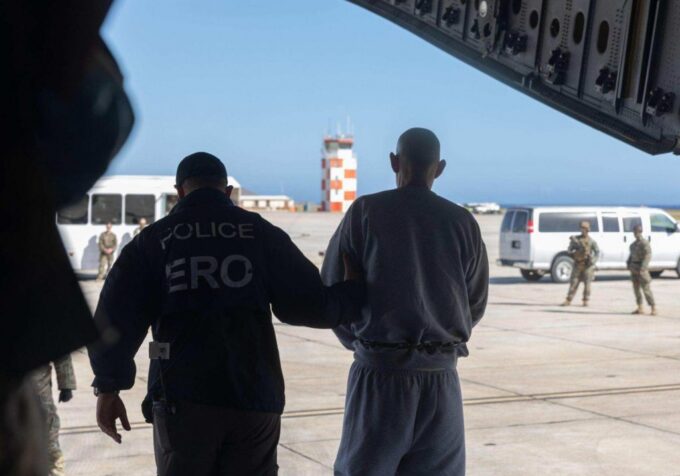
Navigating New Waters: The Evolving Landscape of Venezuelan Asylum Seekers in the U.S.
Explore the recent changes in U.S. immigration law affecting Venezuelan asylum seekers...
2 Mins read
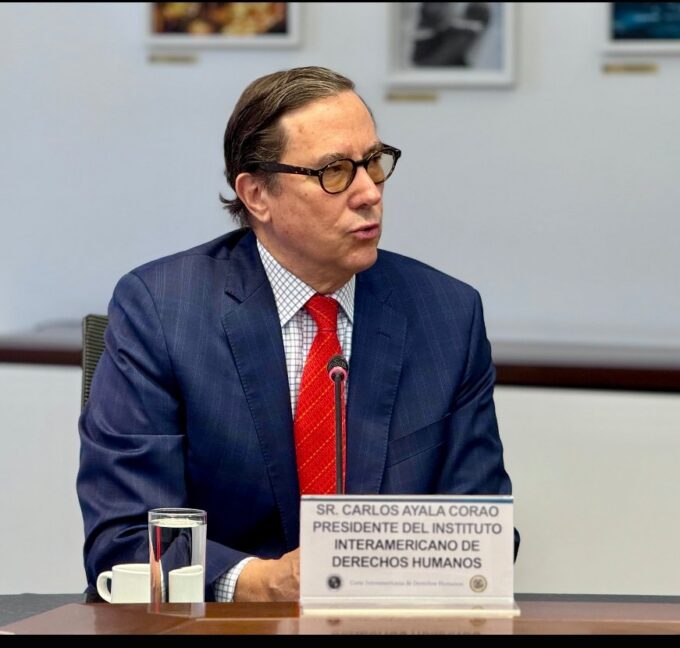
Navigating Venezuela’s Judicial Landscape: A Call for Transparency and Integrity
A deep dive into the challenges facing Venezuela's judicial reforms and the...
3 Mins read
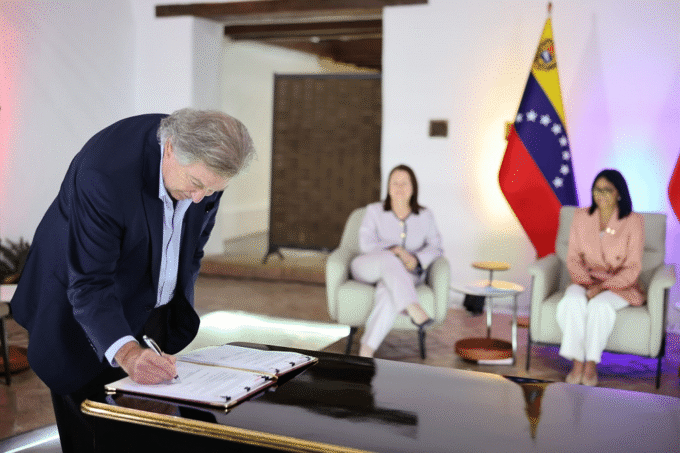


A New Dawn for Venezuela’s Oil Industry: GeoPark’s Strategic Partnership
Discover how GeoPark's long-term contract with Venezuela signals a revitalization of the...
2 Mins read

Leave a comment