
Reimagining Sustainability in Art: The Counterpublic Triennial’s Bold Vision
 ABLUpdated 2 hours Ago2 Mins read5

A New Paradigm for Art Exhibitions
In an era where environmental consciousness is paramount, the art world finds itself at a crossroads. The Counterpublic Triennial, an innovative art event in St. Louis, is paving the way for a transformative approach to sustainability. As the global demand for eco-friendly practices grows, this triennial seeks to redefine how temporary exhibitions can operate within the confines of ecological responsibility.
Charting a Sustainable Course
Organizers of the Counterpublic Triennial are not merely paying lip service to the idea of sustainability; they are actively implementing a range of initiatives aimed at reducing the ecological footprint of their exhibitions. With a commitment to holistic environmental stewardship, this triennial serves as a model for future art events. By focusing on sustainable practices, the organizers are setting a precedent that may influence similar initiatives worldwide, particularly in culturally rich cities like Miami, where the intersection of art and sustainability can attract global attention.
Insights to Inform the Future
Scheduled for 2026, Counterpublic will culminate in a comprehensive climate impact report. This document aims to share insights and findings from their sustainability efforts, providing invaluable data for artists, curators, and institutions looking to minimize their environmental impact. The report promises to be a treasure trove of information, detailing effective strategies and practical solutions that can be adopted across the art community.

Rethinking Art’s Role in Climate Conversations
Art is often seen as a reflection of society, and its institutions have a unique opportunity to lead the charge in the climate conversation. The Counterpublic Triennial’s emphasis on sustainability compels artists to engage with pressing ecological issues in their work. This approach not only enhances the cultural dialogue surrounding art but also encourages collectors and patrons to consider the environmental implications of their investments.
The Legacy of Responsibility
As the art world continues to grapple with its role in addressing climate change, the legacy of events like the Counterpublic Triennial will be significant. By prioritizing sustainability, the triennial is not just creating a moment but potentially shifting the entire paradigm of how art is presented and experienced. Collectors are increasingly seeking works that resonate with their values, and the intersection of art and environmental responsibility could become a focal point for future acquisitions.
A Call to Action for Collectors
For art collectors, engaging with sustainable initiatives is not simply an ethical choice; it represents an opportunity for investment in works that may appreciate in value as the market evolves. As awareness of environmental issues grows, so too does the appeal of artworks that embody sustainability. The Counterpublic Triennial invites collectors to not only support artists but also to be part of a larger movement that prioritizes ecological integrity within the arts.
Conclusion: A Future of Conscious Creativity
The Counterpublic Triennial stands as a beacon of hope for the art world, illustrating that sustainability and creativity can coexist harmoniously. By embracing eco-friendly practices and committing to transparency, this triennial is not only shaping the future of exhibitions but also inspiring a generation of artists and collectors to contribute to a more sustainable art ecosystem. As the art community looks ahead, the lessons learned from Counterpublic will undoubtedly resonate far beyond St. Louis, influencing how art is created, displayed, and valued in a world that demands a more responsible approach.
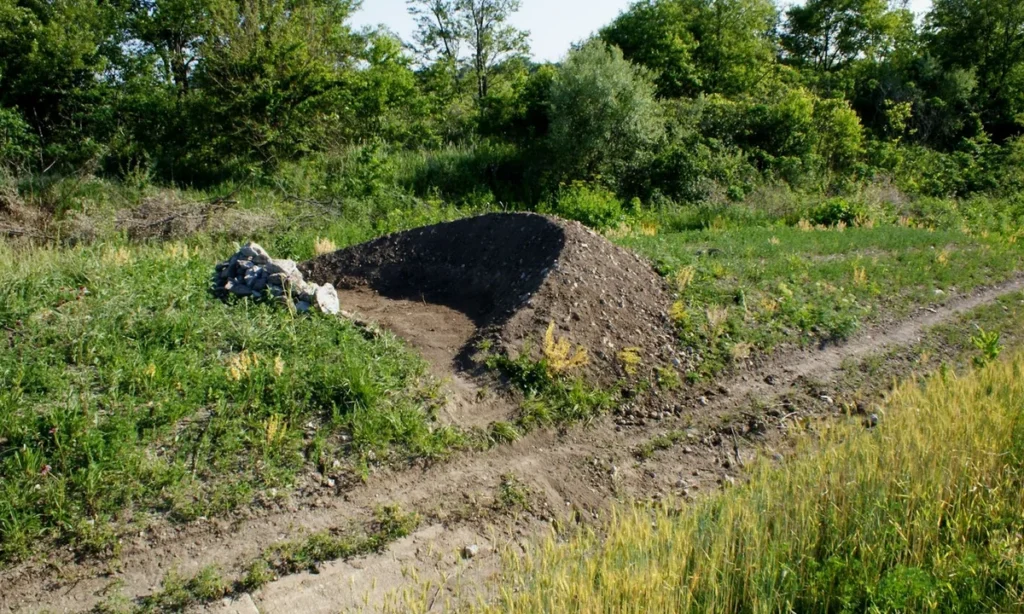
Editorial note: This article was created by A Bit Lavish Miami’s Magazine as an original editorial reinterpretation based on publicly available reporting. Original source: theartnewspaper.com. Read the original article here: https://www.theartnewspaper.com/2026/09/08/counterpublic-triennial-st-louis-coyote-time-environmental-initiatives.
Images are used for editorial reference with source credit. If an image requires correction or removal, please contact A Bit Lavish.








The Parthenon Marbles: A Tale of Cultural Heritage and Controversy
Explore the complex narrative surrounding the Parthenon Marbles, including Greece's rejection of...
ABL3 Mins read
Heritage Reclaimed: The Pitt Rivers Museum’s Landmark Repatriation
Explore the significance of the Pitt Rivers Museum's decision to repatriate remains...
ABL3 Mins read

A Historic Ruling: The Return of a Nazi-Looted Masterpiece
An unprecedented legal victory marks the return of a masterwork looted during...
ABL2 Mins read



Artful Ingress: Recent Acquisitions Shaping Museum Narratives
Explore the latest museum acquisitions, including a striking French mask and a...
ABL3 Mins read

Leave a comment