
A Historic Ruling: The Return of a Nazi-Looted Masterpiece
 ABLUpdated 1 hour Ago2 Mins read4

An Unfolding Legacy
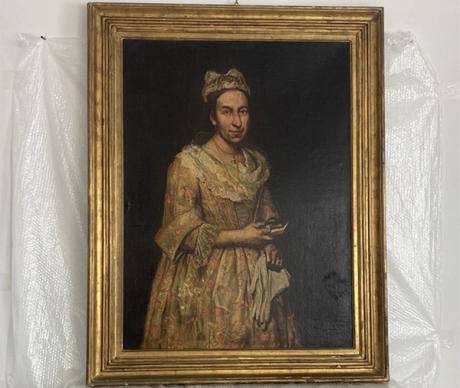
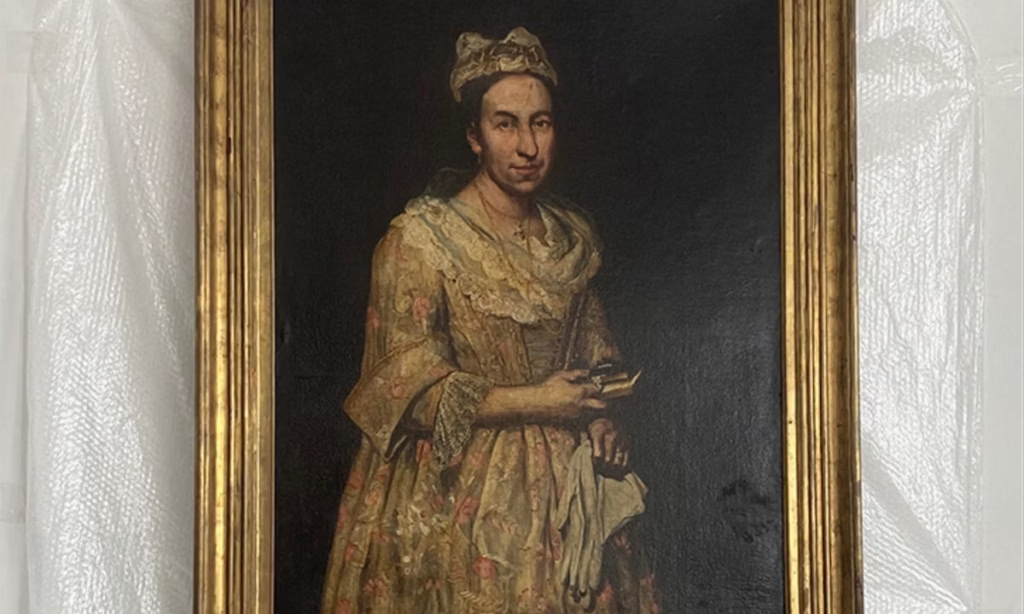
In a momentous decision, an Argentine court has ordered the restitution of a significant Old Master portrait to the heirs of Jacques Goudstikker, a renowned Jewish art dealer whose legacy was marred by the dark shadow of Nazi looting during World War II. This landmark ruling not only underscores the complexities of art ownership but also highlights the ongoing quest for justice and acknowledgment of historical wrongs.
The Portrait’s Journey
This particular masterpiece, a work of substantial cultural value, reflects the broader narrative of art’s turbulent history during tumultuous times. Jacques Goudstikker, who was forced to flee the Netherlands in 1940, left behind an impressive collection of artworks, many of which were seized or sold under duress. The return of this portrait is not merely an act of legal restitution but a reclamation of the narrative surrounding Goudstikker’s legacy and the rightful ownership of his collection.
Legal Precedents and Cultural Significance
The ruling is being hailed as an unprecedented legal victory, demonstrating the potential for justice in cases involving artworks held in private hands. Traditionally, restitution claims have faced significant hurdles, often tied up in complex legal and bureaucratic processes. However, this case sets a compelling precedent, suggesting that the tides may be turning in favor of rightful heirs seeking to reclaim their ancestors’ looted treasures.
The Art Market and Collector Psychology
For collectors and art investors, the implications of this ruling extend beyond the emotional. The portrait’s return can potentially reshape market dynamics concerning provenance and legitimacy. As awareness around the provenance of artworks increases, so too does the responsibility of collectors to ensure the integrity of their collections. This ruling invites a deeper reflection on how the art market values authenticity and historical significance, particularly for works with troubled pasts.
Cultural Reflection in Miami
In a city like Miami, where art thrives amid a vibrant cultural landscape, the return of such a significant piece resonates deeply. Miami’s position as a cultural hub, particularly with events like Art Basel, has elevated the conversation around art ownership and provenance. The local art community is increasingly aware of the ethical imperatives that accompany collecting and curating, as evidenced by the growing number of exhibitions and discussions focused on restitution and the moral responsibilities of collectors.
Looking Ahead: The Legacy of Recovery
The ruling serves as a reminder of the enduring impact of history on the contemporary art world. As more families seek justice for the loss of their cultural heritage, the art community must adapt to these demands for transparency and ethical practices. The return of this Old Master portrait is not just a win for Goudstikker’s heirs but a pivotal moment in the ongoing discourse about restitution, provenance, and the responsibilities of both collectors and institutions.
As we reflect on this ruling, it is essential to recognize the broader implications it holds for future restitution cases. The art world is shifting, and with it comes the opportunity to right historical wrongs, ensuring that the stories of artists and collectors alike are preserved and honored.
Editorial note: This article was created by A Bit Lavish Miami’s Magazine as an original editorial reinterpretation based on publicly available reporting. Original source: theartnewspaper.com. Read the original article here: https://www.theartnewspaper.com/2026/09/07/nazi-looted-old-master-portrait-argentina-restitution-jacques-goudstikker-heirs.
Images are used for editorial reference with source credit. If an image requires correction or removal, please contact A Bit Lavish.








Artful Ingress: Recent Acquisitions Shaping Museum Narratives
Explore the latest museum acquisitions, including a striking French mask and a...
ABL3 Mins read

Unveiling the Enigma: Agatha Christie at the British Library
Explore the intricacies of Agatha Christie’s life and legacy at the British...
ABL2 Mins read

Faro Santander: A New Beacon for Artistic Legacy
Explore the newly inaugurated Faro Santander, a museum that showcases an extensive...
ABL2 Mins read



A Generous Legacy: Dimitris Daskalopoulos Enriches Cultural Institutions with Contemporary Treasures
Collector Dimitris Daskalopoulos makes a significant contribution to the art world by...
ABL2 Mins read

Leave a comment