
Heritage Reclaimed: The Pitt Rivers Museum’s Landmark Repatriation
 ABLUpdated 2 hours Ago3 Mins read7

A Momentous Decision
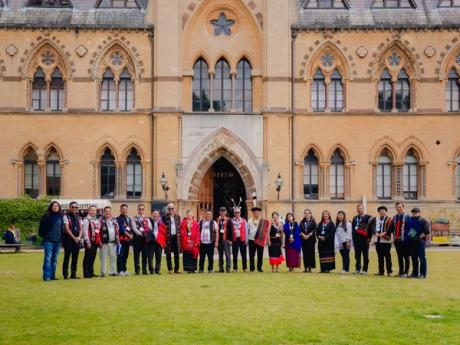
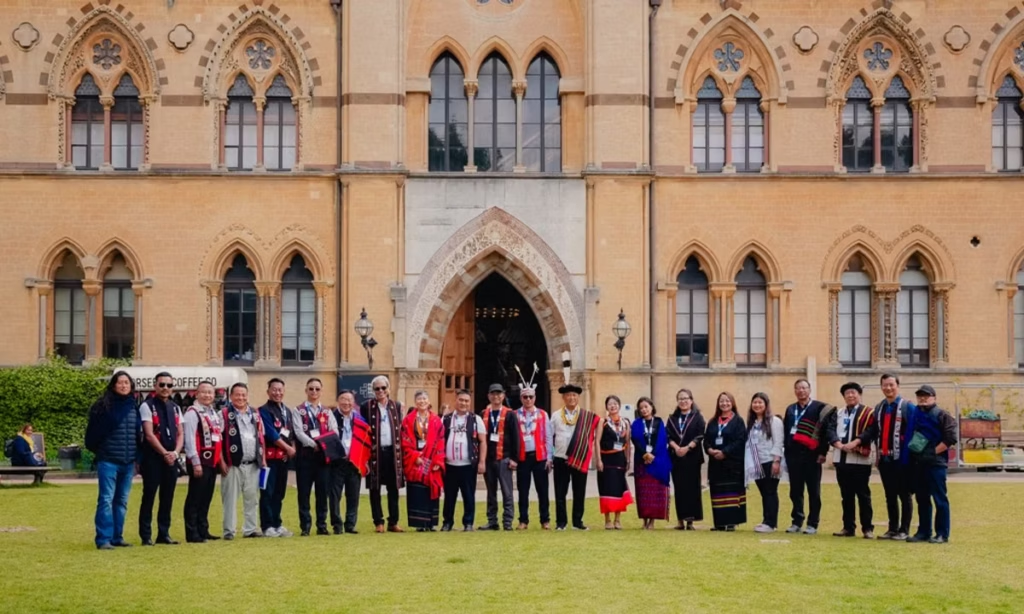
In a historic move that reverberates through the corridors of cultural institutions, the Pitt Rivers Museum at the University of Oxford has announced its largest repatriation of human remains. This significant act involves the return of 39 remains, predominantly skulls, to the Indigenous Naga communities of the Indian subcontinent. As the museum prepares to complete this process by the end of the year, it highlights an evolving narrative around the ethics of cultural heritage and the importance of restitution.
Understanding the Legacy
The Naga people, a collective of tribes residing in the northeastern region of India, possess a rich tapestry of cultural history that has often been overshadowed by colonial narratives. The repatriation of these remains not only serves as an acknowledgment of past injustices but also as an essential step toward restoring dignity to a culture that has faced numerous challenges over the centuries. The act of returning human remains is imbued with profound implications, as it recognizes the spiritual ties that many Indigenous communities maintain with their ancestors.
Provenance and Rarity
The remains in question, primarily sourced during the colonial era, carry with them a complex provenance. Each piece embodies a story of displacement and loss, woven into the historical fabric of colonial exploitation. As collectors and connoisseurs of art and artifacts often seek pieces with compelling provenance, the current dialogue surrounding these remains illustrates a pivotal shift in how we understand value. Beyond their physical attributes, the emotional and cultural significance tied to these artifacts elevates their importance within the broader context of art and history.
A Cultural Renaissance
For the Naga people, the return of these remains signifies more than just a physical reclamation; it represents a renaissance of cultural identity and heritage. The repatriation aligns with a global movement advocating for the rights of Indigenous peoples to their history and legacy. By acknowledging the past and returning these remains, institutions like the Pitt Rivers Museum are not merely rectifying historical wrongs; they are fostering an environment where cultural narratives can flourish and evolve.
Collector Psychology and Ethical Considerations
The psychological landscape of collectors is also shifting in response to these developments. In an era where ethical considerations in collecting practices are becoming paramount, the desire to acquire artifacts is increasingly tempered by a sense of responsibility. Collectors are now more attuned to the stories behind the pieces they seek, recognizing that true investment extends beyond monetary value. The Pitt Rivers Museum’s decision serves as a clarion call to collectors and institutions alike, urging a reevaluation of how artifacts are sourced, valued, and displayed.
A Broader Impact
As Miami continues to strengthen its position as a cultural epicenter, the implications of the Pitt Rivers Museum’s decision resonate within our local art scene. The city stands as a melting pot of diverse cultures, and the ethical discussions surrounding repatriation echo in the halls of our galleries and museums. Local collectors and institutions have a unique opportunity to engage with these conversations, fostering partnerships that honor the rich histories of Indigenous communities while promoting a more inclusive cultural narrative.
Conclusion: A New Chapter
The action taken by the Pitt Rivers Museum is emblematic of a broader cultural awakening, one that is redefining the relationship between institutions and the communities they serve. As the museum prepares to return these remains to the Naga people, it sets a precedent for others to follow, illuminating the path toward a more equitable and respectful discourse surrounding cultural heritage. In embracing this journey, we not only honor the past; we pave the way for a future that cherishes the voices and stories of all peoples.
Editorial note: This article was created by A Bit Lavish Miami’s Magazine as an original editorial reinterpretation based on publicly available reporting. Original source: theartnewspaper.com. Read the original article here: https://www.theartnewspaper.com/2026/09/08/englands-pitt-rivers-museum-announces-its-largest-repatriation-of-human-remains.
Images are used for editorial reference with source credit. If an image requires correction or removal, please contact A Bit Lavish.









The Shadow of Theft: A Cultural Crisis in the Art World
Exploring the implications of art theft on cultural heritage and market dynamics,...
ABL2 Mins read

A Shift in Cultural Horizons: The Fate of Hungary’s National Gallery
Exploring the cultural implications of the Hungarian government’s decision to cancel plans...
ABL2 Mins read
The Parthenon Marbles: A Tale of Cultural Heritage and Controversy
Explore the complex narrative surrounding the Parthenon Marbles, including Greece's rejection of...
ABL3 Mins read



Reimagining Sustainability in Art: The Counterpublic Triennial’s Bold Vision
Explore how St. Louis's Counterpublic Triennial is setting new standards for environmental...
ABL2 Mins read

Leave a comment