
The Shadow of Theft: A Cultural Crisis in the Art World
 ABLUpdated 1 hour Ago2 Mins read3

A Glimpse into Cultural Treasures
In the picturesque landscape of the South of France, where the sun-drenched coast meets the azure of the Mediterranean, art history has once again been marred by the shadow of theft. The Renoir Museum in Cagnes-sur-Mer, a sanctuary for the masterpieces of Pierre-Auguste Renoir, became the unfortunate stage for a brazen heist, culminating in the loss of two significant works valued at an astonishing €9 million.
The Art of Theft
As reported, the audacious criminals managed to evade capture while making off with the coveted paintings, leaving behind a scene that resonates deeply within the art community. The theft not only raises alarms about security in cultural institutions but also highlights the ever-looming threat of art crime, which has plagued galleries and collectors alike for centuries.
The Market Impact
The implications of such theft are profound and multifaceted. When masterpieces like those of Renoir are removed from their rightful places, it disrupts more than just the immediate cultural landscape; it sends ripples through the market. Collectors and investors are left contemplating the valuation of artwork within a context tainted by criminal activity. The allure of owning a piece from the Impressionist master becomes intertwined with the narratives of loss and recovery, complicating collector psychology.

Provenance and Legacy
Renoir’s legacy, characterized by his vibrant palette and emotional depth, is now entwined with a poignant chapter of art history. Each painting carries a provenance that tells a story of its own, one that has now been interrupted. The stolen works are not merely assets; they embody the spirit of artistic expression that resonates with collectors and enthusiasts globally. The significance of provenance cannot be overstated; it informs the authenticity and value of a piece. In the case of theft, the context surrounding these works becomes a critical part of their narrative, increasing their allure on the black market while diminishing their cultural value.
Miami’s Own Art Scene
As Miami continues to establish itself as a vibrant hub for art and culture, the theft of such significant works serves as a cautionary tale. The city’s burgeoning art scene, highlighted by events like Art Basel and the increase of galleries and collectors, must remain vigilant against the potential for similar occurrences. As we navigate this dynamic landscape, it is essential to foster a culture of appreciation and protection for artistic heritage.
Reflections on Art Theft
Art theft is often perceived through a lens of sensationalism, but it is crucial to reflect on its broader implications. Each stolen piece represents a loss not just to the collection but to the public who finds joy and inspiration in art. The theft at the Renoir Museum is a stark reminder of the fragility of cultural treasures and the responsibilities we hold as stewards of history. The hope remains that these masterpieces will be recovered and returned to their rightful place, allowing their stories to continue enriching our lives.
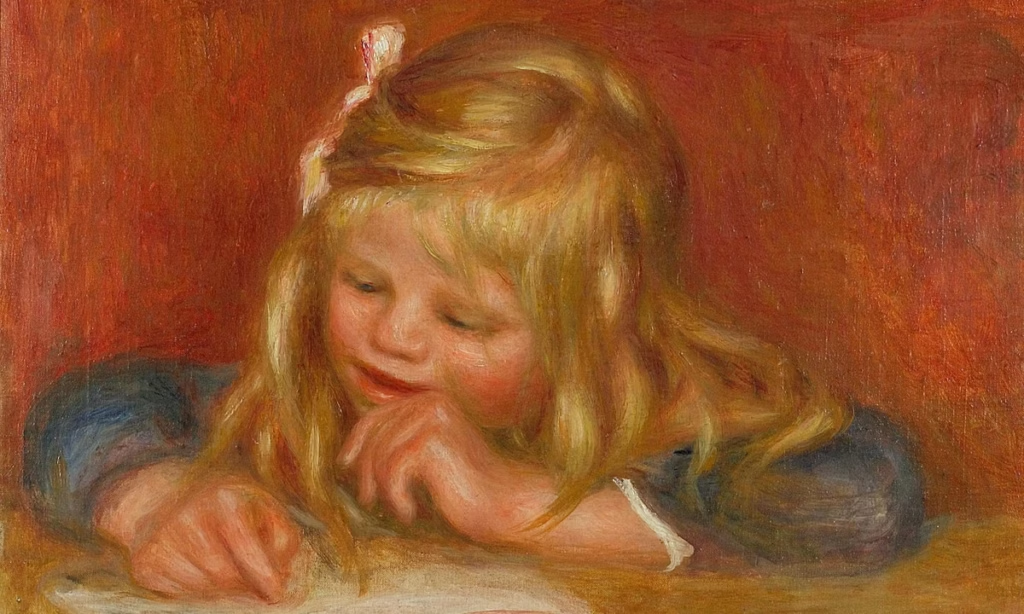
Editorial note: This article was created by A Bit Lavish Miami’s Magazine as an original editorial reinterpretation based on publicly available reporting. Original source: theartnewspaper.com. Read the original article here: https://www.theartnewspaper.com/2026/09/08/two-renoir-paintings-worth-9m-stolen-from-renoir-museum-in-south-of-france.
Images are used for editorial reference with source credit. If an image requires correction or removal, please contact A Bit Lavish.









A Shift in Cultural Horizons: The Fate of Hungary’s National Gallery
Exploring the cultural implications of the Hungarian government’s decision to cancel plans...
ABL2 Mins read

The Parthenon Marbles: A Tale of Cultural Heritage and Controversy
Explore the complex narrative surrounding the Parthenon Marbles, including Greece's rejection of...
ABL3 Mins read

Heritage Reclaimed: The Pitt Rivers Museum’s Landmark Repatriation
Explore the significance of the Pitt Rivers Museum's decision to repatriate remains...
ABL3 Mins read



Reimagining Sustainability in Art: The Counterpublic Triennial’s Bold Vision
Explore how St. Louis's Counterpublic Triennial is setting new standards for environmental...
ABL2 Mins read

Leave a comment