
A Shift in Cultural Horizons: The Fate of Hungary’s National Gallery
 ABLUpdated 3 hours Ago2 Mins read6

A Cultural Vision Unraveled
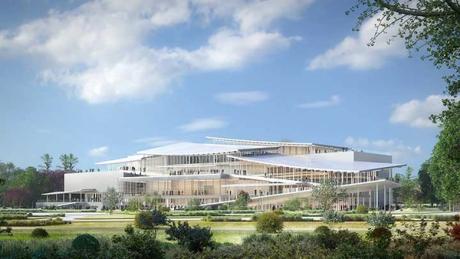
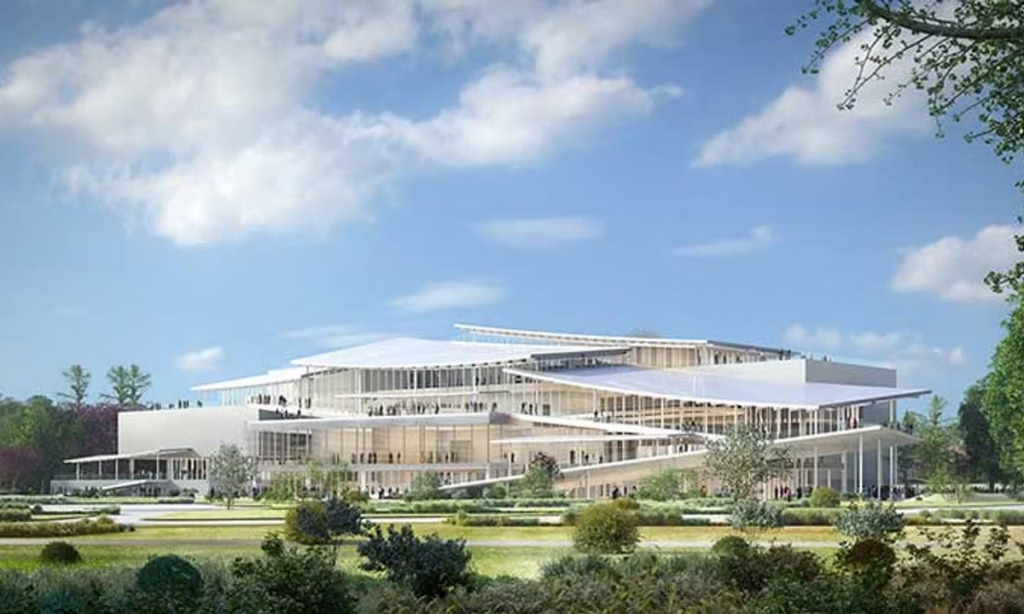
The recent decision by Hungary’s new government to abandon the highly anticipated National Gallery project in Budapest’s City Park marks a significant pivot in the nation’s cultural landscape. Originally designed by the esteemed architectural firm SANAA, known for their innovative and ethereal structures, this museum was to serve not only as a home for Hungary’s national art collection but also as a beacon of modern architectural excellence.
The Architectural Promise
Internationally recognized for their minimalist yet impactful designs, SANAA’s involvement in the project promised a museum that would harmoniously blend into the landscape of City Park. The concept was not merely about housing art; it was about creating a dialogue between the environment and the artworks themselves. The envisioned space was to be a sanctuary for creativity, inviting both locals and tourists to engage with Hungary’s rich artistic heritage.
Provenance and Impact
With the cancellation of this project, questions arise regarding the future of Hungary’s extensive art collection. The national gallery was not just an architectural endeavor; it was a chance to elevate the cultural narrative of Hungary on the global stage. Art collectors and cultural enthusiasts alike are left pondering the implications of this decision. The significance of a national gallery extends beyond its walls; it represents a commitment to preserving and celebrating a nation’s artistic legacy.
A Legacy in Limbo
For collectors and art historians, the fate of Hungary’s national collection remains uncertain. The decision reflects a broader trend where political dynamics directly influence cultural institutions. The narrative surrounding a national collection is inherently tied to its physical embodiment. A gallery serves as a testament to a country’s values and aspirations. As such, the absence of a dedicated space raises concerns about the visibility and accessibility of national treasures.
Collector Psychology and Market Dynamics
In the world of art and collectibles, provenance plays a crucial role in determining value. The cancellation of the National Gallery project may have far-reaching consequences for collectors who have invested in artworks related to Hungary’s cultural identity. The absence of a centralized space to showcase these pieces could impact their market significance, as collectors often seek the validation that comes from institutional recognition.
A Call for Reflection
This pivotal moment invites a broader discussion about the role of government in the arts and culture. The decision to scrap such an ambitious project points to shifting priorities and raises questions about the future of cultural investments in Hungary. As Miami’s vibrant art scene continues to thrive, it is essential to consider the importance of nurturing spaces that celebrate creativity and heritage. The fate of Hungary’s national gallery serves as a reminder of the delicate balance between politics and culture, urging us to reflect on how we value art and its place in society.
Editorial note: This article was created by A Bit Lavish Miami’s Magazine as an original editorial reinterpretation based on publicly available reporting. Original source: theartnewspaper.com. Read the original article here: https://www.theartnewspaper.com/2026/09/08/hungary-new-government-scraps-national-gallery-plans.
Images are used for editorial reference with source credit. If an image requires correction or removal, please contact A Bit Lavish.








The Shadow of Theft: A Cultural Crisis in the Art World
Exploring the implications of art theft on cultural heritage and market dynamics,...
ABL2 Mins read

The Parthenon Marbles: A Tale of Cultural Heritage and Controversy
Explore the complex narrative surrounding the Parthenon Marbles, including Greece's rejection of...
ABL3 Mins read

Heritage Reclaimed: The Pitt Rivers Museum’s Landmark Repatriation
Explore the significance of the Pitt Rivers Museum's decision to repatriate remains...
ABL3 Mins read



Reimagining Sustainability in Art: The Counterpublic Triennial’s Bold Vision
Explore how St. Louis's Counterpublic Triennial is setting new standards for environmental...
ABL2 Mins read

Leave a comment