
Russia’s Parliamentary Elections Include Voters from Annexed Ukrainian Regions

MOSCOW — September 19, 2026
Today, Russia is conducting parliamentary elections that for the first time include voters from regions of Ukraine that were annexed by Russia. This development is significant not only for the electoral process within Russia but also for the ongoing geopolitical tensions surrounding the conflict in Ukraine.
The elections are taking place in the backdrop of Russia’s controversial annexation of Crimea in 2014 and the subsequent incorporation of parts of eastern Ukraine, including Donetsk and Luhansk, into Russian territory. The decision to allow residents of these regions to participate in the parliamentary elections represents a strategic move by the Russian government to legitimize its claims over these territories and further integrate them into the Russian political framework.
According to reports from Serbian News Media, the elections are being held across Russia, with polling stations set up in the annexed regions to accommodate voters. This inclusion has drawn criticism from Ukraine and many Western nations, which view the elections as illegal and a violation of international law. The Ukrainian government has condemned the elections, asserting that they undermine Ukraine’s sovereignty and territorial integrity.
The Russian government, led by President Vladimir Putin, has framed the elections as a demonstration of democracy and a reflection of the will of the people in these regions. However, the legitimacy of this claim is widely disputed, as the elections are taking place under conditions of military occupation and amidst ongoing conflict.
This electoral development is receiving heightened attention now due to its implications for international relations and the potential for escalating tensions between Russia and the West. The inclusion of these territories in the electoral process could embolden Russian claims over the regions and complicate diplomatic efforts aimed at resolving the conflict in Ukraine.
As the results of the elections are anticipated, analysts are closely monitoring the potential ramifications for both domestic and international politics. The outcome could influence Russia’s legislative agenda and its approach to the ongoing conflict in Ukraine, as well as shape the responses from Western nations.
Looking ahead, the international community may respond with renewed sanctions or diplomatic efforts to counter Russia’s actions in Ukraine. The situation remains fluid, and the implications of these elections will likely reverberate beyond Russia’s borders, affecting geopolitical dynamics in Eastern Europe and beyond.
Source: Serbian News Media










House Republican Leadership Critiques Trump’s Immigration Policies Amid Party Divisions
Recent statements from House Republicans highlight growing divisions over immigration enforcement policies...
 2 Mins read
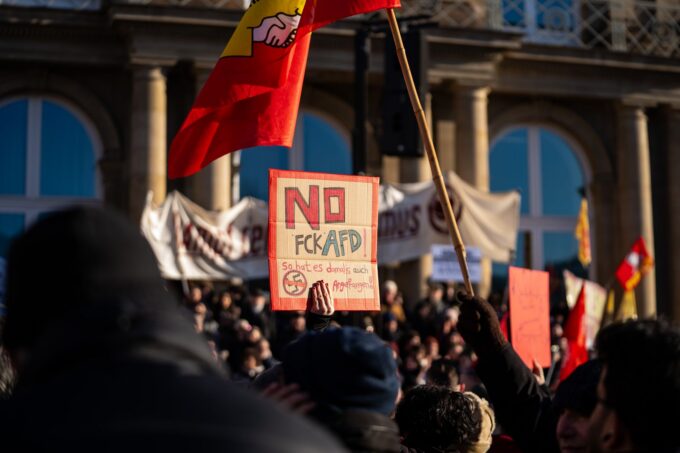
Germany’s Far-Right AfD Secures Another State Election Win, Intensifying Pressure on Chancellor Merz
The far-right Alternative for Germany (AfD) party has achieved a significant victory...
2 Mins read
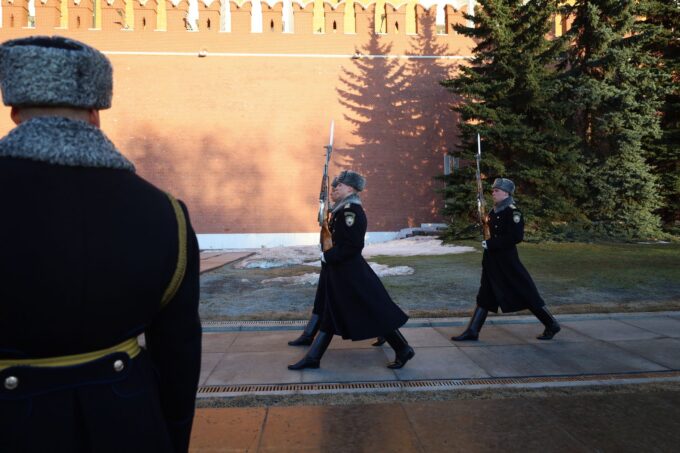
Russia Orders Assassinations on U.S. Soil: A Geopolitical Alarm
The recent revelation of Russia's orders for assassinations on U.S. soil raises...
2 Mins read



Trump Proposes Military Complex Within New Arch, Raising Geopolitical Concerns
The announcement of a military complex housing drones and snipers within Trump's...
2 Mins read

Leave a comment