
Ukrainian Drones Target Moscow Amid Parliamentary Elections, Resulting in Fatalities
MOSCOW — September 20, 2026
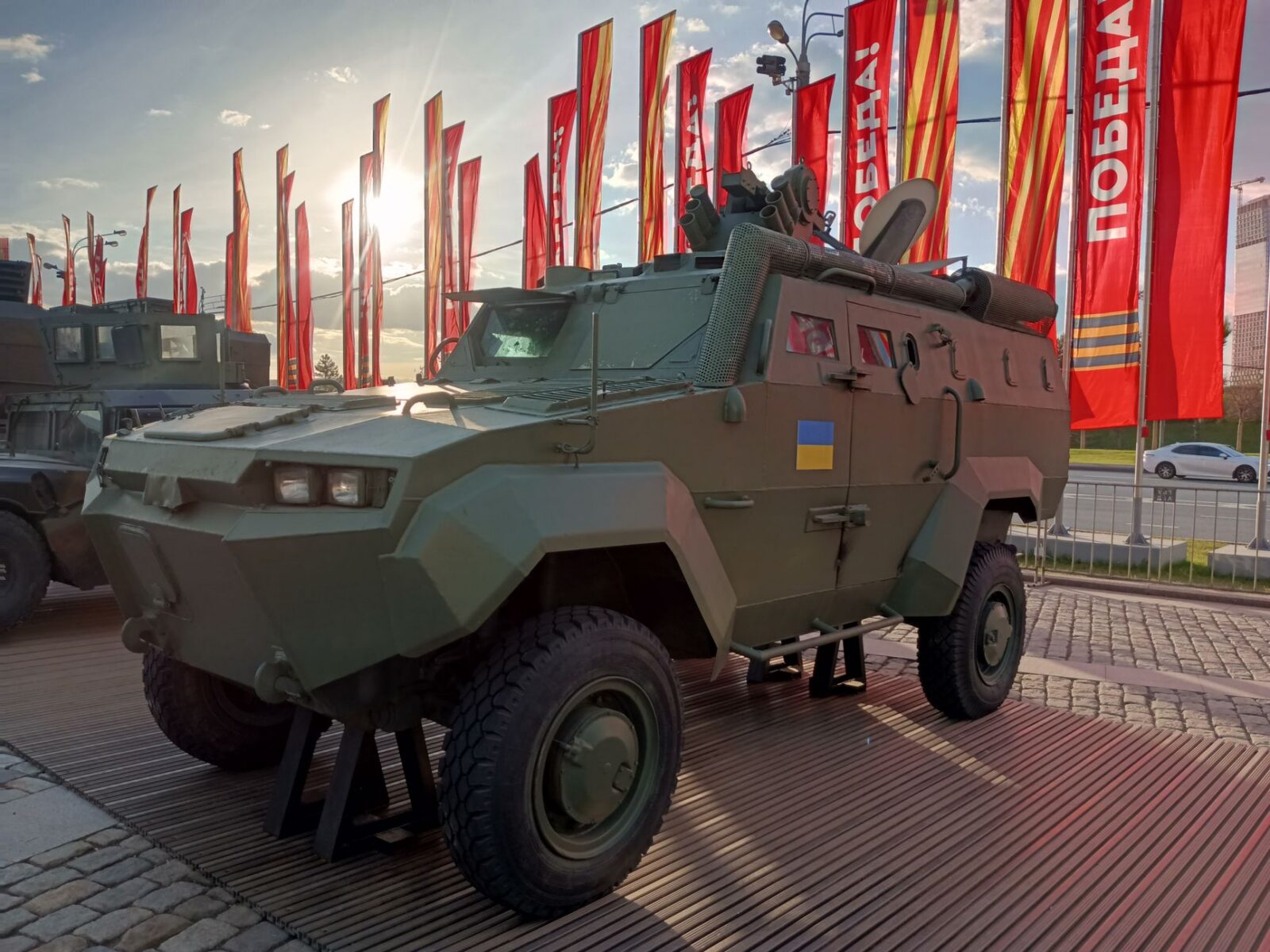
In a dramatic escalation of the ongoing conflict between Ukraine and Russia, Ukrainian drones and missiles targeted Moscow and an oil refinery on September 20, resulting in two confirmed deaths. This attack occurred on the third day of Russia’s parliamentary elections, a period typically marked by heightened political sensitivity and security measures.
The strikes were reported by Russian officials, who described the incident as a coordinated assault aimed at undermining the electoral process. The attack’s timing is particularly significant, as it coincides with a critical moment in Russian politics, where the ruling party, United Russia, seeks to consolidate its power amid international scrutiny and domestic challenges.
The Ukrainian government has not officially claimed responsibility for the attack, but it aligns with a broader strategy of targeting Russian military and logistical capabilities. This incident follows a series of similar drone strikes that have increasingly targeted urban centers in Russia, reflecting Ukraine’s evolving military tactics.
Key figures involved in this incident include Russian President Vladimir Putin, who has been vocal about the need to secure the nation against perceived external threats, and Ukrainian President Volodymyr Zelensky, who has emphasized Ukraine’s right to defend itself against aggression. The attack has drawn immediate condemnation from Russian officials, who have vowed to respond decisively.
The trigger for this development appears to be a combination of Ukraine’s ongoing military operations and the strategic imperative to disrupt Russian electoral processes. The attack raises questions about the effectiveness of Russia’s air defense systems, which have been under scrutiny following previous incidents of drone incursions.
This story is receiving heightened attention due to its implications for the stability of the region and the potential for escalated military responses. The attack not only threatens to destabilize the political landscape in Russia but also risks provoking a more aggressive military posture from Moscow, which could lead to further escalation of the conflict.
Locally, the attack underscores the vulnerabilities of major urban centers in Russia to drone warfare, a tactic that has become increasingly prevalent in modern conflicts. Nationally, it poses challenges to the Kremlin’s narrative of security and control, particularly during a politically sensitive period. Regionally, the incident could influence the dynamics of international support for Ukraine, as allies assess the implications of such bold military actions.
Looking ahead, the immediate next steps may include increased military readiness in Moscow and potential retaliatory strikes against Ukrainian targets. Analysts suggest that this incident could lead to a reevaluation of military strategies on both sides, with Russia possibly ramping up its offensive operations in Ukraine. Additionally, the international community will likely respond with renewed discussions on sanctions and military aid, further complicating the geopolitical landscape.










House Republican Leadership Critiques Trump’s Immigration Policies Amid Party Divisions
Recent statements from House Republicans highlight growing divisions over immigration enforcement policies...
 2 Mins read
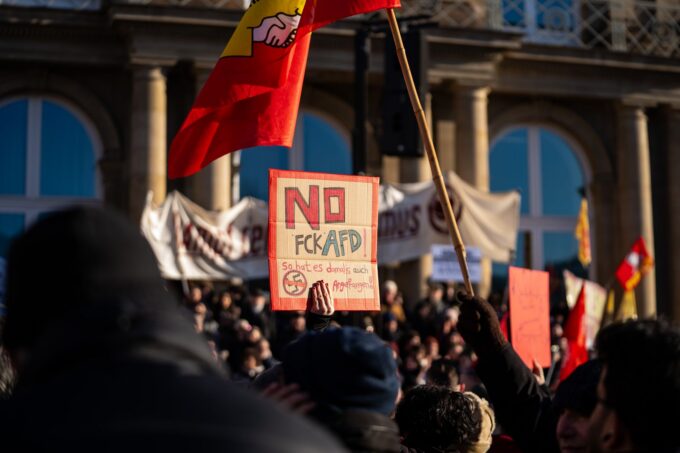
Germany’s Far-Right AfD Secures Another State Election Win, Intensifying Pressure on Chancellor Merz
The far-right Alternative for Germany (AfD) party has achieved a significant victory...
2 Mins read
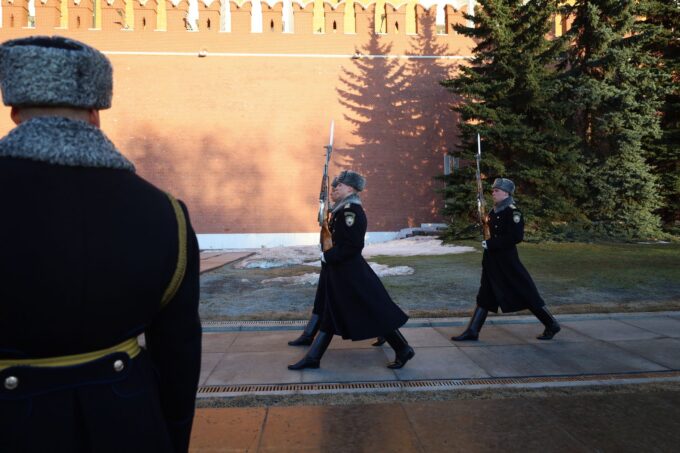
Russia Orders Assassinations on U.S. Soil: A Geopolitical Alarm
The recent revelation of Russia's orders for assassinations on U.S. soil raises...
2 Mins read
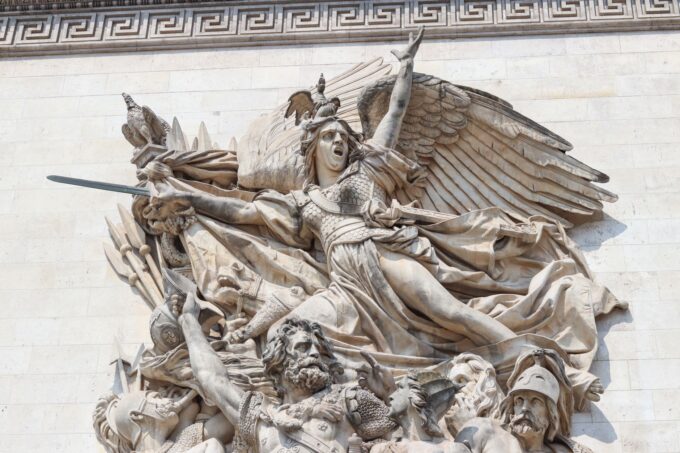


Trump Proposes Military Complex Within New Arch, Raising Geopolitical Concerns
The announcement of a military complex housing drones and snipers within Trump's...
2 Mins read

Leave a comment