
Escalation of School Protests in France Signals Education Crisis

PARIS — October 2, 2026
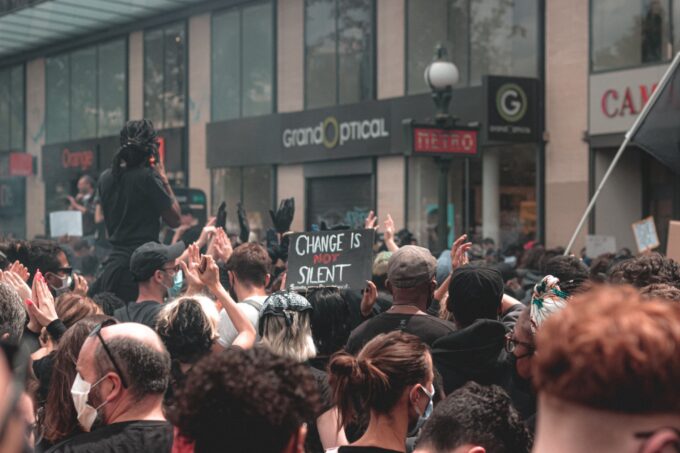
In a significant escalation of unrest, school protests across France have intensified, culminating in violent clashes between students and police on October 2, 2026. This unrest is not merely a reaction to immediate grievances but reflects deeper issues within the French education system, raising concerns about social stability and government policy.
The protests erupted in various cities, including Paris, Marseille, and Lyon, where students have taken to the streets to voice their frustrations over educational reforms and the perceived inadequacies of the current system. Reports indicate that these demonstrations have turned violent, with confrontations leading to injuries among both students and law enforcement personnel.
The immediate trigger for these protests appears to be a series of proposed reforms by the French Ministry of Education aimed at restructuring the curriculum and increasing standardized testing. Many students and educators argue that these changes prioritize metrics over meaningful education, leading to a decline in the quality of learning and increased pressure on students.
According to the Ministry of Education, the reforms are intended to modernize the educational framework and better prepare students for the demands of the 21st-century job market. However, critics, including student unions and educational advocates, have labeled these reforms as inadequate and disconnected from the realities faced by students in the classroom.
The protests have drawn national attention, with prominent figures in the education sector calling for a reevaluation of the proposed changes. The French government, led by President Emmanuel Macron, faces mounting pressure to address the concerns raised by students and educators alike. The situation is further complicated by the ongoing economic challenges in France, which have exacerbated feelings of disenfranchisement among the youth.
This development is significant not only for its immediate impact on the education system but also for its broader implications for social stability in France. The protests reflect a growing discontent among young people, a demographic that has increasingly felt marginalized in political discourse. As tensions rise, the potential for further unrest looms large, prompting discussions about the government’s ability to effectively manage public sentiment and implement meaningful reforms.
Looking ahead, the French government is likely to face increased scrutiny and demands for dialogue with student representatives and educational stakeholders. The next steps may include public forums or negotiations aimed at addressing the concerns raised during the protests. However, if the government fails to engage constructively, the risk of further escalation remains high, potentially leading to a prolonged crisis in the education sector.
Source: CNBC










Trump’s Stark Warning on Iran’s Next Supreme Leader
Former President Donald Trump asserts that Iran's future supreme leader will struggle...
 2 Mins read

US Deploys Third Aircraft Carrier Strike Group Amid Escalating Tensions with Iran
The United States has dispatched a third aircraft carrier strike group and...
2 Mins read

Analysis of Trump Administration’s Mixed Messaging on War with Iran Raises Geopolitical Concerns
The Trump administration's conflicting statements regarding the ongoing war with Iran have...
2 Mins read


Clashes Erupt as Students Protest Education Policies in France
Ongoing protests in France have escalated into violent clashes between students and...
2 Mins read

Leave a comment