
MIAMI — October 2, 2026
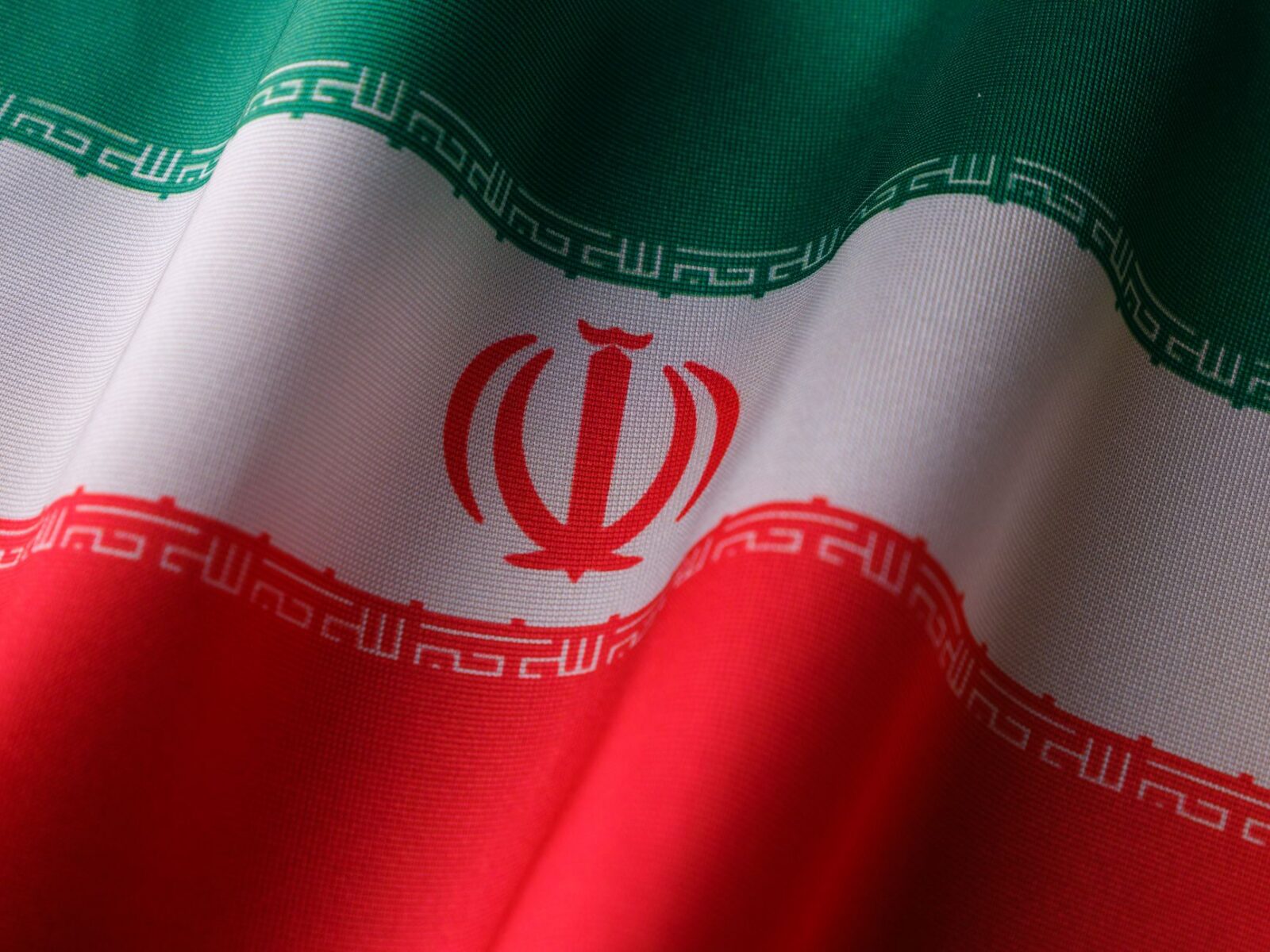
In a striking statement made on October 2, 2026, former President Donald Trump declared that Iran’s next supreme leader would not “last long” without his approval. This assertion has significant implications for U.S.-Iran relations and the broader geopolitical landscape in the Middle East.
Trump’s comments were made during a public appearance where he emphasized the importance of U.S. influence in Iranian politics. He suggested that the legitimacy of Iran’s leadership is contingent upon the approval of external powers, particularly the United States. This statement comes at a time when tensions between the U.S. and Iran remain high, following years of strained relations exacerbated by Trump’s previous administration’s withdrawal from the Iran nuclear deal in 2018.
The context of Trump’s remarks is critical. Since the 1979 Iranian Revolution, the supreme leader has held significant power, often viewed as the ultimate authority in Iran. The current supreme leader, Ali Khamenei, has been in power since 1989, but speculation about his successor has been a topic of discussion among political analysts and diplomats. Trump’s assertion that the next leader’s tenure would depend on U.S. approval challenges the traditional view of Iran’s political sovereignty and raises questions about the influence of foreign powers in domestic Iranian affairs.
Trump’s statement has garnered attention not only for its provocative nature but also for its potential to reshape discussions around U.S. foreign policy in the region. Analysts suggest that such comments could embolden hardliners within Iran, who may interpret them as a direct threat to national sovereignty. Conversely, moderates within Iran might find themselves in a precarious position, caught between domestic pressures and the need to respond to external provocations.
The implications of Trump’s remarks extend beyond Iran’s borders. They could affect U.S. relations with other Middle Eastern nations, particularly those that have historically aligned with the U.S. against Iranian influence, such as Saudi Arabia and Israel. The geopolitical landscape in the region is already fraught with complexities, and Trump’s comments may further complicate diplomatic efforts aimed at stabilizing the situation.
Looking ahead, the international community will likely monitor Iran’s political developments closely, especially as discussions about Khamenei’s succession intensify. The potential for increased tensions between the U.S. and Iran could lead to a recalibration of foreign policy strategies, both in Washington and Tehran. Furthermore, upcoming elections in the U.S. may influence how future administrations approach relations with Iran, particularly if Trump’s rhetoric continues to resonate with a significant portion of the electorate.










Zelensky Announces Intensified Attacks on Russian Oil Refineries
Ukrainian President Volodymyr Zelensky declares a strategic escalation in military operations against...
 1 Mins read
Trump Announces Payments to Voters Ahead of Midterms
The former president's announcement of payments to voters marks a notable shift...
2 Mins read

Zelenskyy Vows to Target Russian Refineries in Escalation of Conflict
Ukrainian President Volodymyr Zelenskyy has announced a significant escalation in the ongoing...
2 Mins read


Brazil’s Election: A Pivotal Moment in Latin American Politics
As Brazil heads to the polls, the election between Lula and Bolsonaro...
2 Mins read

Leave a comment