
King Charles III Acknowledges Colonial Legacy During Caribbean Tour
LONDON — October 2, 2026
In a significant development during his ongoing Caribbean tour, King Charles III has publicly acknowledged the “darkest days” of Britain’s colonial rule. This statement, made during a visit to Jamaica, underscores the monarchy’s evolving relationship with its colonial past and reflects a broader reckoning with historical injustices that continue to resonate in former colonies.
The acknowledgment was made on October 2, 2026, as part of a series of engagements aimed at strengthening ties with Caribbean nations, many of which are members of the Commonwealth. This tour is particularly noteworthy as it comes at a time when discussions surrounding reparations and the legacy of colonialism are gaining momentum across the globe.
King Charles III’s remarks were framed within a context of reflection and reconciliation, emphasizing the need to confront the painful history associated with colonial rule. He stated, “We must recognize the suffering and injustices that occurred during those times, and I am committed to fostering a dialogue that acknowledges these realities.”
This statement has drawn both praise and criticism, highlighting the complexities of the monarchy’s role in addressing historical grievances. Critics argue that acknowledgment alone is insufficient without tangible actions, such as reparations or formal apologies.
The backdrop of this acknowledgment is rooted in a long history of colonialism that has left deep scars in the Caribbean. Countries like Jamaica, Barbados, and Trinidad and Tobago have been vocal about the need for reparative justice, with various movements advocating for reparations for the descendants of enslaved individuals. The British monarchy’s historical involvement in these colonial practices has made this acknowledgment particularly significant.
This development is receiving heightened attention now due to the increasing global discourse on racial justice and reparations, particularly in light of recent movements advocating for equity and recognition of historical wrongs. The timing of King Charles III’s acknowledgment aligns with a broader societal push for accountability from institutions that have benefitted from colonial exploitation.
Locally, this acknowledgment may influence public sentiment in the Caribbean, potentially impacting diplomatic relations and discussions surrounding reparations. Nationally and regionally, it could catalyze further debates within the Commonwealth about the responsibilities of former colonial powers towards their former colonies.
Looking ahead, it remains to be seen how this acknowledgment will translate into concrete actions. Potential next steps could include formal discussions about reparations, increased funding for cultural and educational initiatives in the Caribbean, and a commitment to ongoing dialogue between the monarchy and Caribbean nations. The monarchy’s willingness to engage with these issues will be closely monitored by both supporters and critics alike.
Source: The Guardian








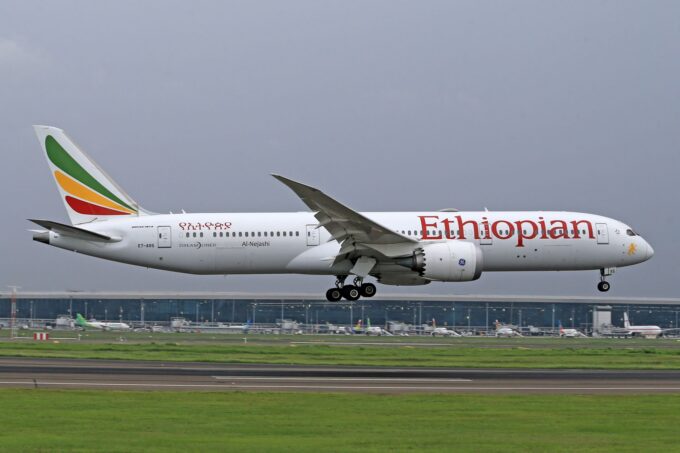
Ethiopian Federal Forces Retake Key Airport in Tigray’s Capital
The retaking of the airport marks a significant military development in the...
 2 Mins read
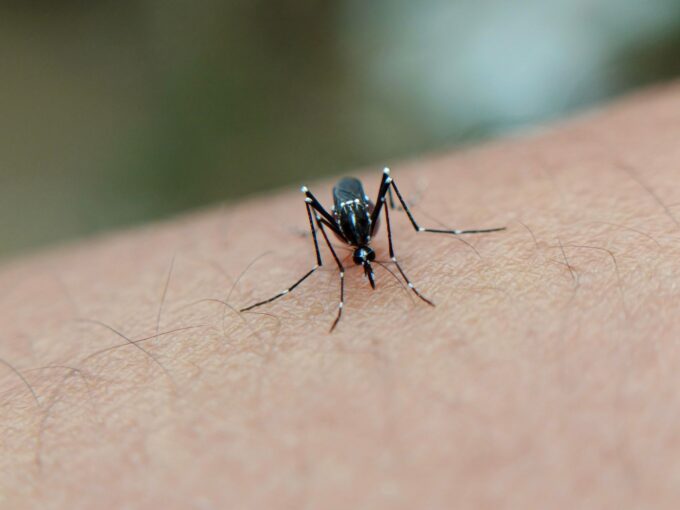
Florida Reports Largest Dengue Outbreak in Decades with Over 250 Local Infections
Florida's dengue outbreak has reached alarming levels, marking the largest in decades,...
2 Mins read
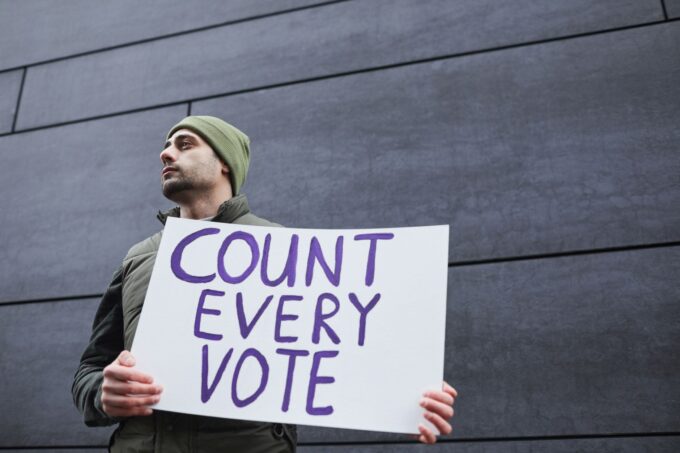
Massive Protests Erupt in Spain Following Rejection of Housing Bills
Public outrage surges as Spanish parliament votes down critical housing legislation, igniting...
2 Mins read
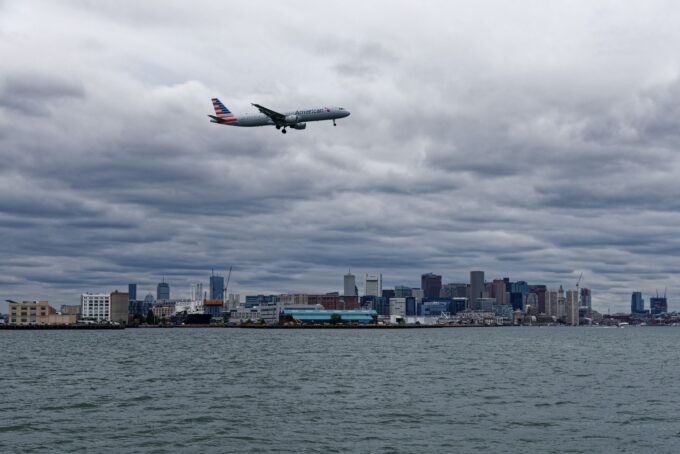


Search Underway for Missing Medical Transport Airplane Off Massachusetts Coast
A medical transport airplane has gone missing off the coast of Massachusetts,...
2 Mins read

Leave a comment