
Florida’s Dengue Outbreak Declared Largest in Decades, Prompting Emergency Measures
TAMPA, FL — October 2, 2026
Florida’s current dengue outbreak has been officially declared the largest in decades, with over 250 locally acquired cases reported this year. This alarming development has prompted local health officials to declare emergencies in Hillsborough County and surrounding areas, where the majority of cases have been concentrated.
The outbreak was first identified in July 2026, and as of now, it has surpassed the previous record of just under 200 locally transmitted cases reported in 2023. This year’s surge marks the most significant number of dengue cases in a single calendar year in the continental United States since at least the 1940s, according to state health officials.
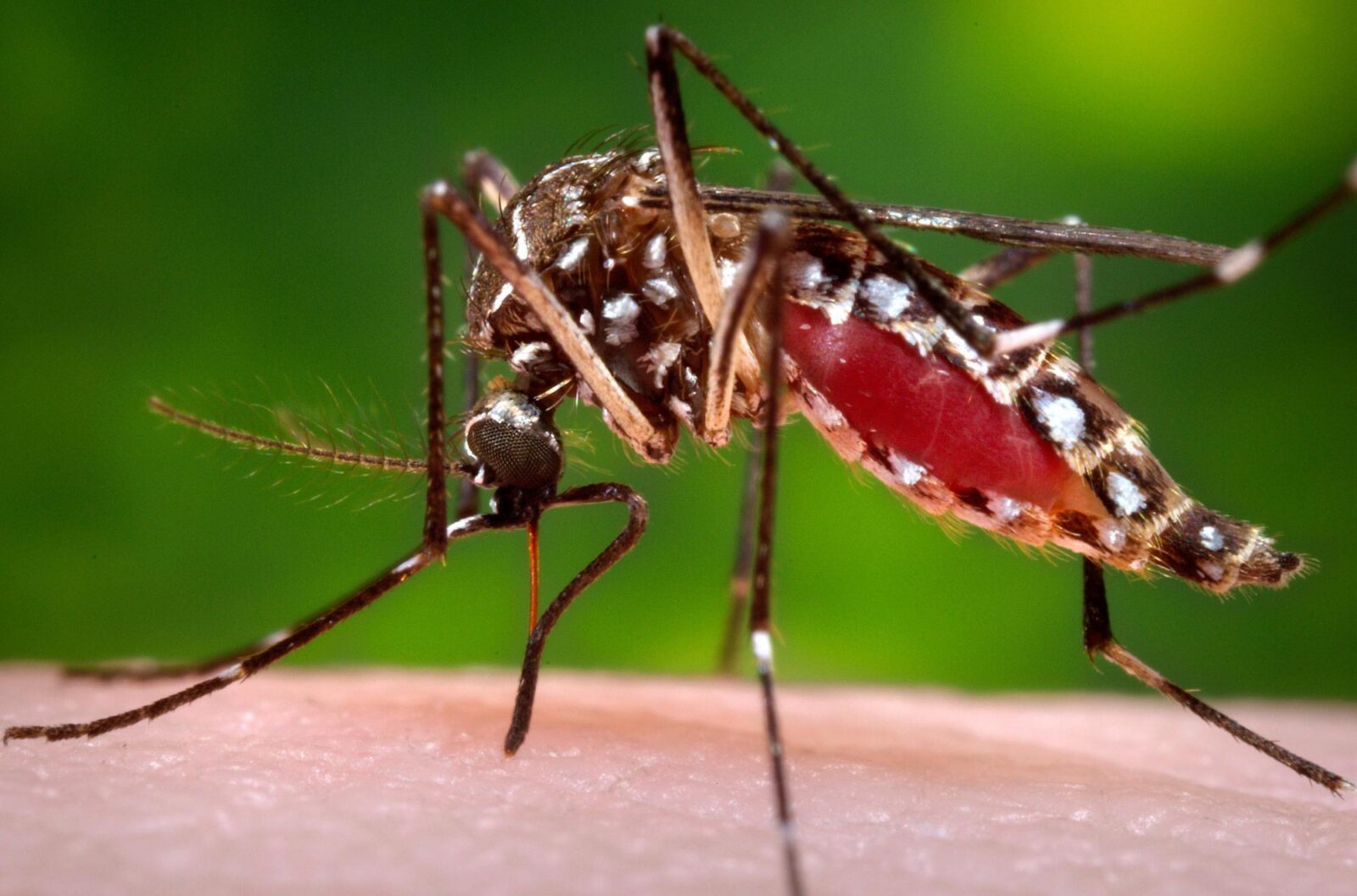
Dengue fever, transmitted by the Aedes mosquito, can cause severe flu-like symptoms and, in extreme cases, lead to serious complications such as bleeding and shock. The outbreak has already resulted in one reported death: an elderly woman from Tampa who succumbed to the disease on September 4, 2026. Health experts, including Dawn Wesson from Tulane University, have noted that many residents in the Tampa area lack prior immunity to any form of dengue, which exacerbates the risk of severe illness.
In response to the outbreak, local authorities have initiated aggressive mosquito control measures, including round-the-clock spraying in affected neighborhoods. The Centers for Disease Control and Prevention (CDC) has indicated that Florida typically experiences a higher incidence of dengue due to its warm climate and significant travel connections to regions where the virus is endemic, such as Puerto Rico.
Historically, dengue cases in the continental U.S. were primarily associated with international travel until the first locally acquired cases were reported in Key West in 2009-2010. Since then, the state has seen sporadic outbreaks, but the current situation in Tampa is unprecedented in scale. The CDC has reported nearly 1,900 locally acquired dengue cases across the U.S. this year, with the majority occurring in Puerto Rico.
This outbreak is receiving heightened attention due to its potential public health implications and the strain it may place on local healthcare resources. As the mosquito population continues to thrive in Florida’s warm climate, experts warn that climate change may further expand the geographic reach of these disease-carrying mosquitoes.
Looking ahead, health officials are likely to continue monitoring the situation closely. If the outbreak persists, additional public health measures may be implemented, including increased community awareness campaigns and potential vaccination efforts as research into effective dengue vaccines progresses.
Source: The Mercury News









Botched Execution of Christa Pike Raises New Questions About Lethal Injection Process
The recent botched execution of Christa Pike in Idaho has reignited the...
 2 Mins read
Florida’s Dengue Outbreak Declared Largest in Decades
The ongoing dengue outbreak in Florida has reached alarming levels, now recognized...
2 Mins read

Judge Blocks Trump Administration from Restarting Border Wall Construction in Texas National Park
A federal judge has issued a ruling that halts the Trump administration's...
2 Mins read



Cyclospora Detected at Mexican Farm Linked to Lettuce Outbreak
The FDA has confirmed the presence of Cyclospora at a Mexican farm,...
1 Mins read

Leave a comment