
Florida’s Dengue Outbreak Declared Largest in Decades
MIAMI — October 3, 2026
The state of Florida is currently grappling with a significant public health crisis, as health officials have declared the ongoing dengue outbreak the largest in the continental United States in decades. This alarming development was reported on October 2, 2026, and has raised concerns among public health authorities and the general population alike.
As of the latest reports, the outbreak has resulted in over 1,500 confirmed cases across various counties, with Miami-Dade and Broward counties being the most affected. The Florida Department of Health has been actively monitoring the situation and has implemented measures to control the spread of the disease, including increased mosquito control efforts and public awareness campaigns.
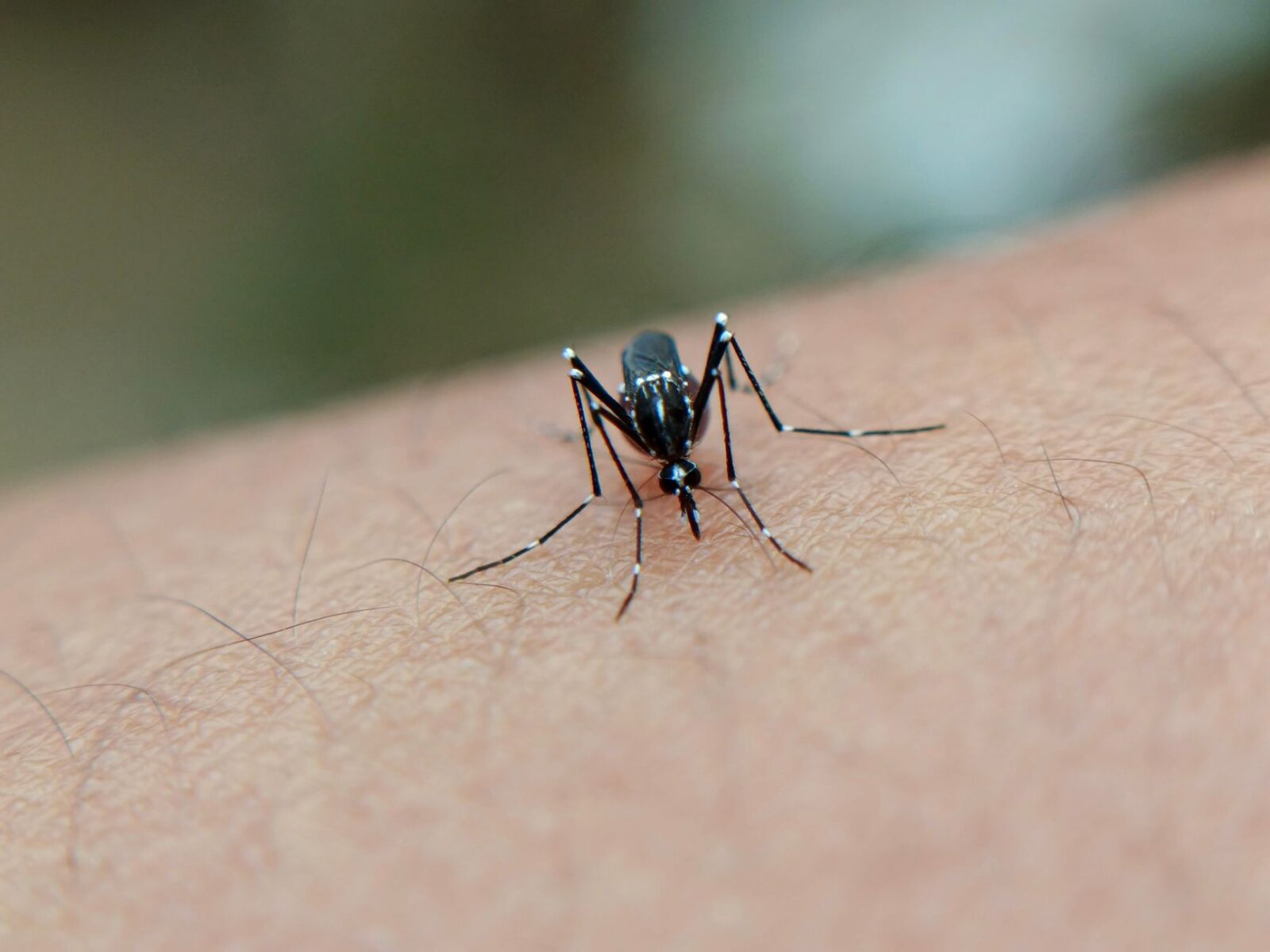
The outbreak was triggered by a combination of factors, including a rise in mosquito populations due to favorable weather conditions and a lack of widespread immunity among the population. Dengue fever, transmitted by the Aedes aegypti mosquito, presents symptoms such as high fever, severe headaches, and joint pain, and can lead to more severe complications in some cases.
Health officials have emphasized the importance of preventive measures, urging residents to eliminate standing water around their homes and to use mosquito repellent. The Centers for Disease Control and Prevention (CDC) has also been involved, providing guidance and resources to local health departments.
This outbreak is receiving heightened attention now due to its unprecedented scale and the potential for further spread, particularly as Florida enters its peak tourist season. The implications of this outbreak extend beyond public health; they also pose risks to the state’s economy, particularly in tourism and outdoor activities, which are vital to Florida’s financial well-being.
Nationally, the outbreak has sparked discussions about the need for improved vector control strategies and public health preparedness, especially in states with similar climates and mosquito populations. The situation has also drawn the attention of international health organizations, which are monitoring the outbreak closely.
Looking ahead, health officials anticipate that the outbreak could continue to grow if immediate action is not taken. The Florida Department of Health has scheduled a series of community meetings to educate the public on prevention and control measures, with the next meeting set for October 10, 2026, in Miami. Additionally, further research into vaccine development and mosquito control technologies may be prioritized as a response to this outbreak.
In summary, Florida’s dengue outbreak represents a significant public health challenge that requires immediate and sustained action from both health authorities and the community to mitigate its impact.
Source: The Washington Post








Florida’s Dengue Outbreak Declared Largest in Decades, Prompting Emergency Measures
Over 250 locally acquired cases reported in Florida, leading to local emergencies...
 2 Mins read

Botched Execution of Christa Pike Raises New Questions About Lethal Injection Process
The recent botched execution of Christa Pike in Idaho has reignited the...
2 Mins read

Judge Blocks Trump Administration from Restarting Border Wall Construction in Texas National Park
A federal judge has issued a ruling that halts the Trump administration's...
2 Mins read



Cyclospora Detected at Mexican Farm Linked to Lettuce Outbreak
The FDA has confirmed the presence of Cyclospora at a Mexican farm,...
1 Mins read

Leave a comment